
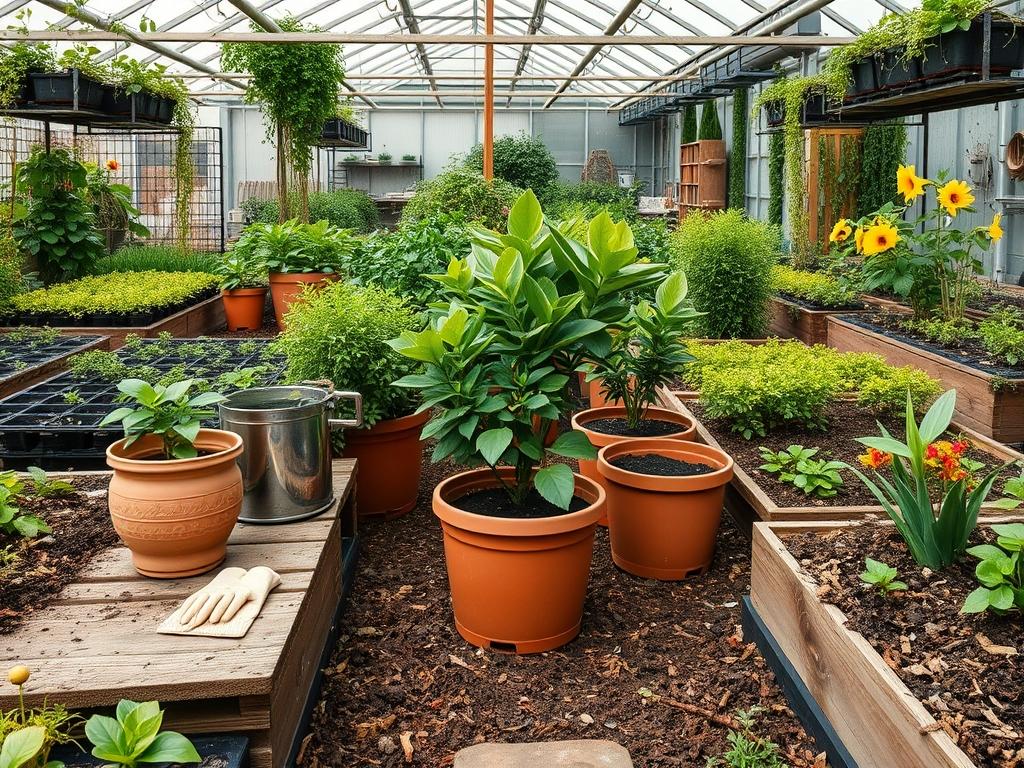
Achieving a sensory masterpiece in residential landscaping begins with the foundational chemistry of the earth itself. While many homeowners select the Mock Orange (Philadelphus) for its intoxating citrus fragrance and spray of white blossoms, the success of this shrub relies heavily on its subterranean environment. Landscape architects often view the site through the lens of longevity and environmental synergy. A plant is only as resilient as the medium in which it grows. Creating the Best Soil for Mock Orange requires more than a standard bag of topsoil; it demands an understanding of permeability, nutrient availability, and pH balance. When these factors align, the shrub transforms from a mere garden filler into a commanding focal point that anchors the landscape. Integrating these plants into a cohesive outdoor environment involves balancing aesthetic goals with the practical realities of site drainage, grading, and soil mechanics.
The olfactory impact of a mature Mock Orange can define a garden’s character during the late spring and early summer. However, without proper planning, these shrubs can become leggy or succumb to root rot in poorly managed soils. Designing for scent requires a strategic approach to plant placement, where the direction of prevailing winds moves the fragrance toward outdoor living areas like patios or decks. The soil must provide enough vigor to support this heavy floral production. In professional landscape design, we look at the site’s microclimate and the existing soil structure to determine if heavy amendments are necessary. The goal is to create a sustainable ecosystem where the Mock Orange thrives with minimal intervention, contributing to both the property’s curb appeal and its functional outdoor value.
Landscape Design Principles
Successful landscape design is an exercise in intentionality. When incorporating Mock Orange, we must consider the principles of symmetry and focal points to guide the viewer’s eye. Because this shrub can reach heights of 8 to 10 feet, it often functions as a mid-layer or back-layer plant in a tiered garden bed. Architects use it to provide a lush, green backdrop for lower-level perennials during the summer, while its early summer bloom acts as a seasonal highlight. To achieve visual balance, the shrub should be mirrored across a walkway or positioned to frame a view, creating a sense of rhythm and order.
Elevation layers are critical in preventing a flat, uninteresting landscape. By using Mock Orange at varying heights, or planting it atop subtle berms, we can create a sense of depth. This approach also aids in irrigation planning. Plants with similar water requirements should be grouped together in hydrozones. The Best Soil for Mock Orange should be replicated across these zones to ensure even growth. Walkways made of natural stone or pavers provide a hardscape contrast to the soft, arching branches of the shrub. These paths should be designed with a slight cross-slope to move water away from the root zones of the plants, preventing the saturation that leads to fungal diseases.
Visual balance also concerns the density of the foliage. A dense hedge of Mock Orange can act as a privacy screen, creating a secluded “room” within the backyard. This requires precise spacing, usually 4 to 6 feet apart, to allow for air circulation once the plants reach maturity. Proper spacing, reinforced by high-quality soil, ensures that each plant has access to the resources it needs without competing with its neighbors. The integration of hardscaping, such as retaining walls, can help manage slopes and protect the soil from erosion, ensuring the carefully amended medium remains in place for years to come.
Plant and Material Selection
Selecting the right materials and companion plants is the next step in the professional design process. The following table outlines the requirements for successful integration.
| Plant Type | Sun Exposure | Soil Needs | Water Demand | Growth Speed | Maintenance Level |
| :— | :— | :— | :— | :— | :— |
| Mock Orange | Full Sun to Part Shade | Loamy, Well-Draining | Moderate | Medium to Fast | Moderate |
| English Lavender | Full Sun | Sandy, Alkaline | Low | Medium | Low |
| Boxwood | Part Sun | Rich, Moist Loam | Moderate | Slow | High (Pruning) |
| Hosta | Shade | Humus-Rich | High | Medium | Low |
| Creeping Thyme | Full Sun | Gritty, Poor Soil | Low | Fast | Low |
For the Mock Orange, the soil must be a loamy mix that retains some moisture while allowing excess water to pass through. We recommend a blend of 40 percent compost, 40 percent topsoil, and 20 percent coarse sand. This mixture provides the organic matter needed for growth while maintaining the porosity essential for root health.
Implementation Strategy
The implementation phase begins with a thorough site analysis and grading plan. Before any planting occurs, the soil should be tested for pH and nutrient levels. The Best Soil for Mock Orange typically falls between a pH of 6.0 and 8.0, making it quite versatile. If the soil is too acidic, garden lime may be added; if too alkaline, elemental sulfur or peat moss can help lower the pH.
Once the site is graded to ensure water flows away from structures, we begin the excavation of planting holes. Each hole should be twice as wide as the root ball but no deeper. This encourages lateral root growth into the surrounding amended soil. During this process, we install the irrigation system, preferably drip tubing with 2-gallon per hour emitters, which delivers water directly to the base of the plant.
After positioning the Mock Orange, the backfill soil should be lightly tamped to remove air pockets without causing compaction. A layer of 3 inches of organic mulch, such as shredded hardwood, is then applied to the surface. This mulch suppresses weeds, retains moisture, and gradually breaks down to improve soil structure. For the hardscaping elements, ensure that edging materials, such as steel or aluminum borders, are installed to create clean lines between the garden beds and the lawn. This prevents grass from encroaching on the shrub’s root zone.
Common Landscaping Failures
One of the most frequent errors in landscape installation is poor drainage. Even the Best Soil for Mock Orange will fail if it sits in a low spot where water collects. “Wet feet” is a death sentence for most Philadelphus species, leading to root rot and a lack of scent production. Another common issue is soil compaction from heavy machinery used during construction. Compacted soil lacks the oxygen necessary for root respiration, meaning the plant will struggle to establish regardless of how much fertilizer is applied. Using a broadfork or tiller to loosen the subsoil before planting is a vital step often skipped by DIY gardeners.
Overcrowding is another professional pitfall. While a dense hedge is often the goal, planting Mock Orange too close together limits airflow, which increases the risk of powdery mildew. Proper spacing must be calculated based on the mature width of the variety selected. Finally, irrigation inefficiencies, such as overhead sprinklers that wet the foliage rather than the roots, can lead to leaf spot and other foliar diseases. A transition to subsurface irrigation or precisely aimed soaker hoses is the professional standard for maintaining the health of high-fragrance shrubs.
Seasonal Maintenance
Seasonal care is what separates a good landscape from a great one. In the Spring, focus on soil health by adding a fresh 1-inch layer of compost around the base of the plant and applying a slow-release balanced fertilizer. This is also the time to check the irrigation system for leaks.
Summer maintenance involves monitoring for pests like aphids and ensuring consistent moisture during heat waves. If the Mock Orange is grown primarily for its scent, avoid heavy nitrogen fertilizers during the blooming period, as this can prioritize leaf growth over flower production.
Autumn is the time for structural pruning. Since Mock Orange blooms on the previous year’s wood, pruning should ideally happen immediately after the flowers finish in early summer. However, late fall is a good time to remove any dead, damaged, or diseased wood using sharp bypass pruners.
In Winter, protect the soil with an additional layer of mulch if needed. In colder climates, a burlap wrap can protect the shrub from harsh winds and salt spray if it is located near a roadway. This cycle of care ensures the shrub remains a vigorous contributor to the landscape’s overall health and aesthetic appeal.
Professional Landscaping FAQ
How do I improve drainage for Mock Orange in heavy clay?
Incorporate organic matter and coarse sand to a depth of 18 inches. Building a raised bed or a slight berm can also elevate the root ball above the saturated zone, ensuring the roots remain oxygenated during heavy rains.
What is the ideal pH for maximum fragrance?
A neutral to slightly alkaline pH, between 6.5 and 7.5, is typically best. Proper nutrient uptake at this range ensures the plant has the energy to produce the essential oils responsible for its signature citrus scent.
Can I grow Mock Orange in a large container?
Yes, use a 20-inch or larger pot with multiple drainage holes. Use a high-quality potting mix amended with perlite. Remember that container plants require more frequent watering and a liquid fertilizer every few weeks during the growing season.
How often should I mulch my Mock Orange beds?
Apply a fresh layer of organic mulch every spring. Maintain a depth of 2 to 3 inches, but keep the material a few inches away from the main trunk to prevent bark rot and rodent damage.
Why is my Mock Orange not blooming?
The most common reasons are improper pruning (cutting off flower buds in early spring) or insufficient sunlight. Ensure the plant receives at least 6 hours of direct sun and avoid nitrogen-heavy fertilizers which favor foliage over flowers.