
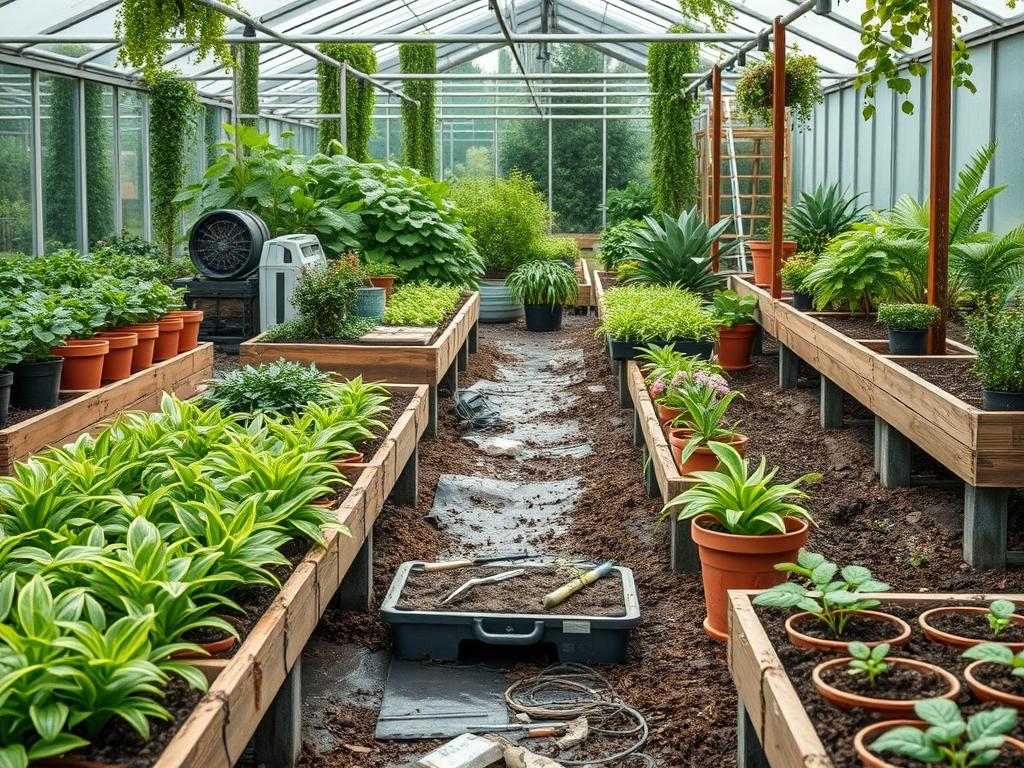
Successful landscape architecture begins long before the first sod is laid or the final perimeter fence is installed. It starts at the cellular level within the soil, specifically during the propagation phase where the strength of a property’s future canopy is determined. For developers and homeowners seeking to enhance curb appeal while maintaining a functional outdoor living space, understanding the best soil for cuttings is a fundamental requirement. Selecting an improper medium often leads to staggered growth and high replacement costs, which compromises the architectural vision of the site. A well-planned landscape relies on uniform plant development; this uniformity is only achievable when root systems are established in a medium that provides optimal hydraulic conductivity and sufficient oxygenation.
In the context of professional grade landscaping, the choice of soil directly influences the structural integrity of the entire design. Whether you are propagating Boxwood for a formal parterre or Lonicera for a living privacy screen, the substrate must facilitate rapid adventitious root formation. Modern landscape design now emphasizes sustainable, on-site propagation to ensure plant varieties are perfectly matched to the microclimate of the estate. This approach minimizes the shock of transplantation and allows the designer to control the quality of the biomass from the very beginning. By prioritizing the best soil for cuttings, a landscape architect ensures that every Perlite grain and Peat Moss fiber contributes to a robust root architecture capable of supporting long-term growth and seasonal resilience.
Landscape Design Principles
Integrating a propagation zone into a cohesive landscape plan requires a deep understanding of site symmetry and focal points. A master plan should treat the nursery or cutting garden as a functional component that mirrors the formal aesthetics of the broader environment. Focal points are often created using specimen trees, but the substructure consists of mass plantings that require hundreds of healthy starts. To achieve visual balance, designers use elevation layers, where shorter, propagated groundcovers transition into mid-level shrubs and eventually high-reaching canopy trees. This layering prevents a flat, uninspired appearance and adds depth to the property.
Irrigation planning is perhaps the most critical technical principle when designing these spaces. In areas dedicated to young cuttings, a specialized misting system or targeted drip line must be integrated into the primary irrigation manifold. This ensures that the moisture-sensitive environment required for root development does not interfere with the more infrequent watering schedules of established plants. Furthermore, the use of walkways constructed from crushed granite or flagstone can define these propagation areas, making them accessible for maintenance while contributing to the overall hardscape aesthetic. Proper grading ensures that these zones do not become sites of stagnant water, which can lead to fungal pathogens and root rot.
Plant and Material Selection
| Plant Type | Sun Exposure | Soil Needs | Water Demand | Growth Speed | Maintenance Level |
| :— | :— | :— | :— | :— | :— |
| Buxus sempervirens | Partial Shade | Well-Drained, Aerated Mix | Medium | Slow | High |
| Hydrangea macrophylla | Morning Sun | High Organic Content | High | Moderate | Medium |
| Lavandula angustifolia | Full Sun | Sandy, Gritty Medium | Low | Fast | Low |
| Cornus sericea | Full Sun to Part Shade | Moist, Silty Loam | High | Fast | Medium |
| Rosa rugosa | Full Sun | Rich Loam with Drainage | Moderate | Fast | High |
| Ilex x meserveae | Partial Shade | Acidic, Well-Aerated | Medium | Slow | Medium |
Implementation Strategy
The successful layout of a landscape, particularly one focused on internal propagation, starts with site grading. Proper grading involves moving soil to create a 2 percent slope away from building foundations and toward designated drainage basins. Once the site is leveled, the architect must delineate the propagation beds using professional steel edging or pressure-treated timber. These borders prevent the encroachment of aggressive turf grasses and help maintain the integrity of specialized soil mixes.
When preparing the best soil for cuttings within these beds, a blend of 60 percent coarse sand, 30 percent peat moss, and 10 percent perlite is often recommended for general use. This mixture provides the necessary capillary action to keep the base of the cutting moist while allowing the top to remain dry, reducing the risk of damping off. After the cuttings are placed, a thin layer of fine-textured mulch should be applied to regulate soil temperature. Hardscaping elements, such as retaining walls built from limestone or interlocking concrete blocks, can be used to create raised beds. These elevated structures improve drainage and bring the plants to a more manageable height for the architectural team to monitor root progress.
Common Landscaping Failures
The most frequent mistake in large-scale garden planning is the failure to address soil compaction. When heavy machinery is used during the construction of walkways or patios, the surrounding soil is often pressed so tightly that air pockets are eliminated. For new cuttings, this is a death sentence, as roots cannot penetrate the dense earth and oxygen cannot reach the root zone. Another common error is improper spacing. Designers often plant too closely to achieve an immediate full look, but this leads to root overcrowding within three to five years, requiring expensive thinning and relocation.
Drainage inefficiencies also plague many professional landscapes. If the best soil for cuttings is placed in a low-lying area without a French drain or a gravel sub-base, the cuttings will likely suffocate in anaerobic conditions. Furthermore, many planners neglect the specific pH requirements of their chosen species. Planting acid-loving Azaleas in a soil mix containing high amounts of lime or alkaline concrete dust from construction debris will result in chlorosis and eventual plant failure. Irrigation timing is equally vital; over-watering in the late evening can encourage powdery mildew and other foliar diseases that can quickly spread through a densely packed nursery bed.
Seasonal Maintenance
Spring is the primary season for landscape activation. During this window, architects should inspect the irrigation system for leaks and clear any debris from drainage grates. This is the optimal time to take softwood cuttings and place them in the prepared soil. A light application of slow-release fertilizer can be integrated into the top 2 inches of soil to support emerging roots. By summer, the focus shifts to moisture management. High temperatures require a consistent misting schedule and the application of shading cloth for sensitive species like Japanese Maples to prevent leaf scorch.
Autumn is dedicated to the hardening-off process. As temperatures drop, irrigation frequency should be reduced to encourage the woody tissue to mature before the first frost. This is also the time to apply a thicker layer of hardwood mulch, approximately 3 inches deep, to insulate root systems against the coming freeze. In winter, maintenance involves structural pruning of established trees and the protection of young cuttings using cold frames or burlap wraps. Checking for winter desiccation is crucial; even in dormant months, evergreen cuttings may require occasional watering during dry, windy spells to prevent the root balls from completely dehydrating.
Professional Landscaping FAQ
What is the best soil for cuttings to ensure fast rooting?
The most effective medium is a sterile, soilless blend of perlite and coarse sand. This combination provides the high aeration and drainage necessary for new roots to expand without the risk of soil-borne pathogens or compaction issues.
How do I prevent drainage issues in newly planted beds?
Ensure the area is graded at a 2 percent slope and install a sub-base of crushed stone. For heavy clay environments, incorporating organic compost and expanded shale significantly improves the vertical movement of water.
Which mulch is best for young landscape plantings?
A double-shredded hardwood mulch is ideal because it stays in place on slopes and decomposes slowly. Avoid dyed mulches, which can contain chemicals harmful to delicate adventitious roots during the early stages of establishment.
Can I root cuttings directly in the garden soil?
While possible for hardy species like Willow, it is not recommended for professional landscaping. It is better to use a controlled medium to ensure high success rates before transplanting the established root balls into the permanent location.
How often should I irrigate new cuttings in a landscape?
New cuttings require high humidity and consistent moisture. Use a misting system for 10 seconds every 30 minutes during daylight hours until roots are established. Gradually transition to deeper, less frequent watering as the plants mature.