
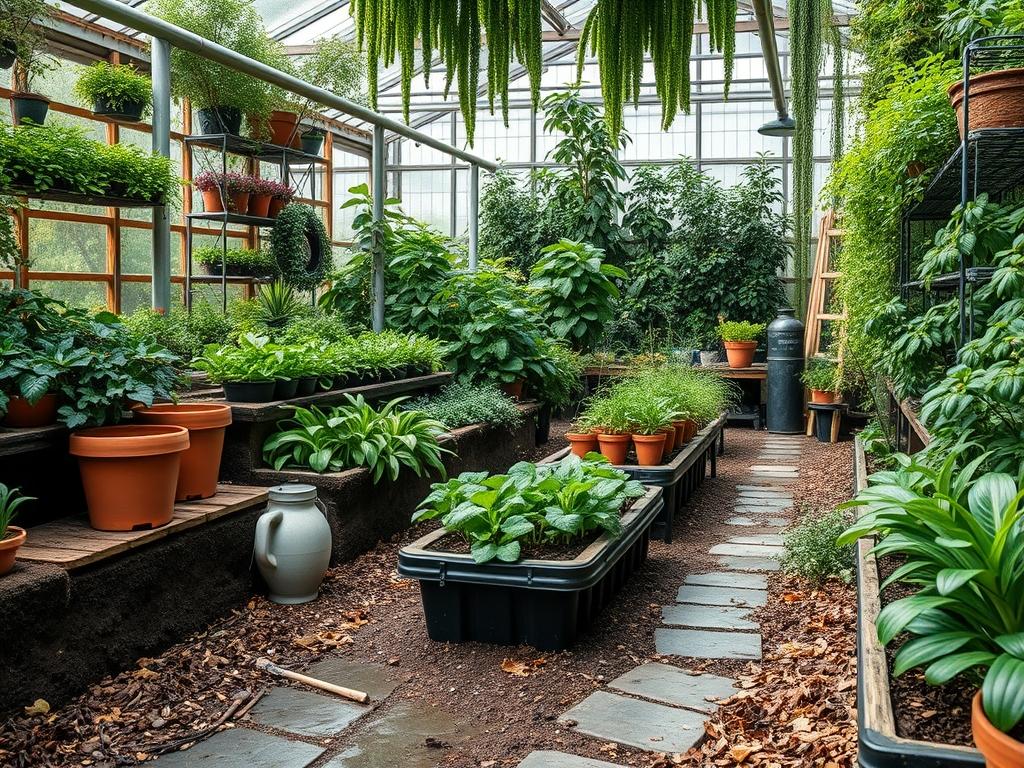
Designing a vertical landscape within an interior environment presents a unique set of hydraulic and structural challenges that traditional horizontal gardening rarely encounters. When we transition from the expansive canvas of a backyard to the vertical constraints of an indoor wall, the medium in which roots reside becomes the most critical factor for success. Indoor green walls act as a living tapestry, providing a stunning focal point while improving air quality and acoustic insulation. However, because these systems often rely on modular panels or felt pockets, the Best Soil for Green Walls must be engineered rather than simply dug from the earth. Standard garden soil is far too heavy and dense for vertical applications; it tends to compact over time, leading to anaerobic conditions that suffocate root systems. A professional approach requires a medium that balances high porosity with specific water retention capabilities to ensure that plants at the top of the wall receive as much nutrients as those at the bottom.
Landscape Design Principles
In professional interior landscaping, the green wall serves as a primary focal point that dictates the flow of the room. To achieve visual balance, we apply the same symmetry and elevation layer principles used in grand outdoor estates. A well designed green wall should mirror the architectural lines of the space, using bold textures to create depth. Irrigation planning must be integrated into the design phase rather than added as an afterthought. For vertical systems, gravity is the primary adversary and the primary tool. Effective design utilizes a pressurized drip irrigation system that delivers water to the uppermost layer, allowing it to percolate downward through the substrate.
Focal points are established by grouping plants with contrasting leaf shapes or colors. For instance, a central cluster of Neon Pothos against a darker backdrop of Philodendron Cordatum creates a natural highlight. Symmetry does not always mean a mirror image; rather, it refers to the distribution of visual weight. We balance the “heaviness” of large leafed species by surrounding them with airy, fine textured ferns. This layered approach ensures that the wall feels lush rather than cluttered. Walkways near the wall should be kept clear of overhanging foliage, necessitating a maintenance strategy that includes regular pruning to maintain the intended silhouette.
Plant and Material Selection
Choosing the right flora for a vertical ecosystem depends on the light levels and the specific properties of the growing medium. The following table outlines optimal species for indoor vertical installations.
| Plant Type | Sun Exposure | Soil Needs | Water Demand | Growth Speed | Maintenance Level |
| :— | :— | :— | :— | :— | :— |
| Pothos (Epipremnum) | Low to Medium | High Porosity | Moderate | Fast | Low |
| Bird’s Nest Fern | Indirect Light | Peat Moss Mix | High Humidity | Medium | Moderate |
| Philodendron | Medium | Coco Coir | Moderate | Fast | Low |
| Aglaonema | Low Light | Well Draining | Low | Slow | Very Low |
| Spider Plant | Bright Indirect | Loamy Mix | Moderate | Fast | Medium |
| Staghorn Fern | Medium | Sphagnum Moss | Consistent | Slow | High |
The Best Soil for Green Walls is typically a soilless blend. We frequently utilize Coconut Coir as a sustainable alternative to peat. It provides an excellent cation exchange capacity, allowing the plants to absorb nutrients more efficiently. To increase aeration, we mix in Perlite or Pumice at a ratio of approximately thirty percent. These inorganic materials prevent the organic components from decomposing too quickly and shrinking, which would otherwise create gaps in the vertical panels.
Implementation Strategy
The successful installation of a green wall begins with structural assessment. A full green wall can weigh significant amounts per square foot once saturated with water, so the wall must be reinforced or mounted to studs using a sturdy French Cleat system. First, a Vapor Barrier is installed against the drywall to prevent moisture migration and subsequent mold growth. Once the waterproof backing is secure, we install the mounting frame, which typically consists of powder coated aluminum or high density recycled plastic.
Grading in a vertical sense refers to the strategic placement of substrate to ensure even moisture distribution. For modular systems, we fill each cell with the pre mixed medium, ensuring that we do not overpack the material. Soil compaction is a leading cause of plant death in vertical gardens. We use Edging tools to tuck the root balls into the medium, ensuring that the crown of the plant is slightly angled upward to prevent crown rot.
Once the plants are in place, a layer of Long-Fibered Sphagnum Moss is often used as a top dressing to help hold the soil in place and maintain humidity. The final step is the calibration of the Automatic Irrigation Timer. Most indoor walls thrive on short, frequent watering cycles, perhaps two minutes twice a day, rather than one long soaking. This prevents the bottom rows from becoming waterlogged while the top rows dry out.
Common Landscaping Failures
The most frequent mistake in indoor vertical landscaping is the use of standard potting soil. Outdoor potting mixes contain too many fine particles that migrate to the bottom of the column, creating a “perched water table” where the lower plants sit in stagnant water and die from root rot. Additionally, many designers neglect the importance of drainage. Every green wall must have a Drainage Tray or a direct connection to a floor drain to whisk away excess effluent.
Root overcrowding is another silent killer. Because the space in a vertical panel is limited, plants with aggressive root systems can quickly choke out their neighbors. We mitigate this by selecting species with similar growth rates and by performing root pruning during the annual maintenance check. Improper spacing also leads to poor air circulation, which invites pests like Mealybugs or Spider Mites. A professional installation leaves enough room for air to move between the leaves, reducing the need for chemical interventions.
Finally, irrigation inefficiency often stems from a lack of pressure regulation. If the water pressure is too low, the emitters at the end of the line will not provide adequate moisture. We use Pressure Compensating Emitters to ensure that every plant, regardless of its distance from the pump, receives the exact same volume of water.
Seasonal Maintenance
Even though indoor climates are controlled, plants still react to the shifting lengths of daylight and changes in ambient humidity during the winter months.
Spring: This is the primary growing season. We increase the concentration of Liquid Fertilizer in the irrigation reservoir to support new flushes of growth. It is also the best time to replace any plants that did not survive the winter or have become too leggy.
Summer: High temperatures can lead to increased evaporation. We monitor the Moisture Sensors closely and may increase the frequency of the watering cycles. Pruning is essential during these months to prevent the wall from becoming overgrown and blocking light to the lower sections.
Autumn: As the natural light through windows decreases, we begin to scale back the fertilizer. We also inspect the mechanical components of the system, including the Submersible Pump and the Filtration System, to ensure no debris has clogged the lines.
Winter: Indoor heating systems significantly drop the humidity levels. We may implement a supplemental misting schedule or add a humidifier to the room. The goal during winter is dormancy and maintenance rather than growth. We check for drafts from nearby doors that could shock the tropical foliage.
Professional Landscaping FAQ
What is the best material for an indoor green wall frame?
Aluminum or high density plastic is preferred for its moisture resistance. Wood should be avoided unless it is specifically treated for marine environments, as the constant contact with damp soil will eventually lead to structural decay and fungal growth.
How often should the irrigation reservoir be cleaned?
The reservoir should be flushed and scrubbed every ninety days. This prevents the buildup of mineral salts and algae, which can clog Drip Emitters and alter the pH of the water, potentially harming sensitive root systems.
Can I use tap water for my green wall?
While tap water is often acceptable, many indoor tropical plants are sensitive to chlorine and fluoride. Using a Reverse Osmosis system or allowing tap water to sit for twenty four hours before use is usually the safer professional standard.
How do I prevent my green wall from leaking?
Leaking is prevented by a high quality Vapor Barrier and a properly sloped Drainage Tray. Every seam in the waterproofing must be sealed with professional grade silicone to ensure that gravity carries all excess water directly to the drain.
What lighting is required for a vertical wall?
Most walls require supplemental Full Spectrum LED lights. These should be positioned to provide even coverage across the entire surface, ensuring at least one thousand to fifteen hundred foot-candles for moderate light plants to maintain their lush color and density.