
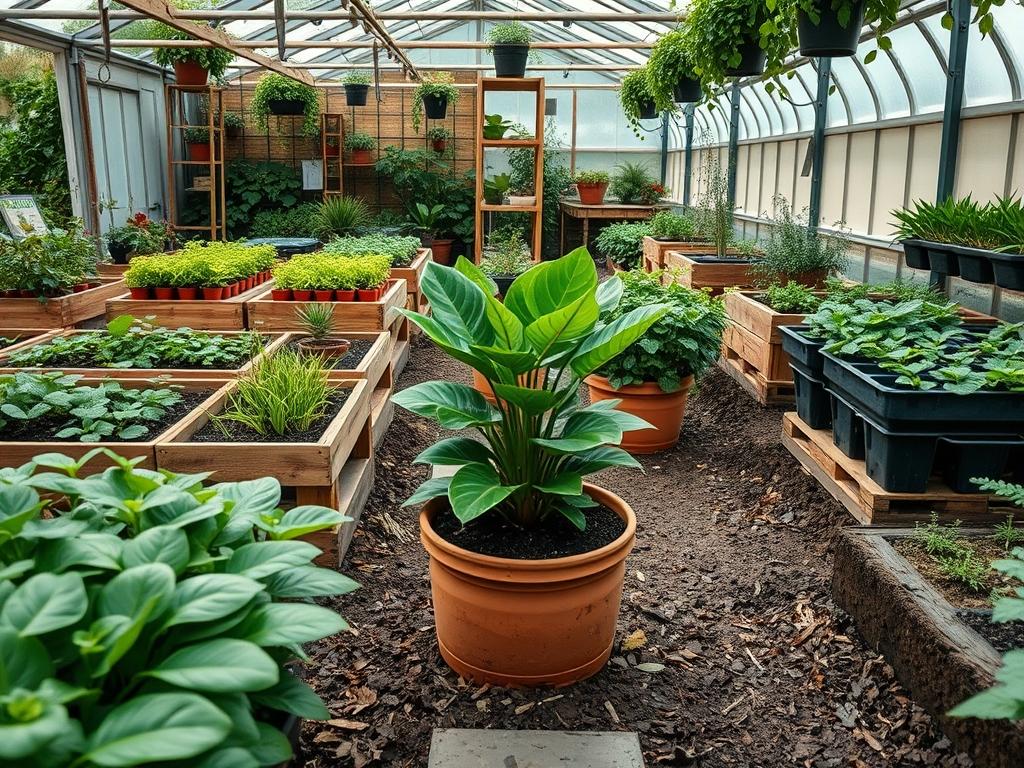
Designing a high-end landscape requires a deep understanding of how specific specimen plants interact with their environment; particularly when dealing with sensitive species like the Ficus lyrata. When architects incorporate these structural giants into a patio or courtyard layout, the primary technical challenge is not the aesthetic placement but the long-term viability of the root system. Achieving the perfect Potting Mix for Fiddle Leaf is essentially an exercise in hydraulic engineering. You are creating a micro-environment that must balance oxygen availability with moisture retention, all while supporting the massive physical weight of the foliage. In outdoor living designs, where large ornamental pots serve as architectural focal points, the substrate must be more stable than a standard indoor formula to withstand variables like wind-driven evaporation and fluctuating ambient temperatures.
The landscaping challenge often revolves around the fact that a Ficus lyrata functions as a living sculpture. Its broad, violin-shaped leaves create a dense canopy that catches the wind, necessitating a heavy, stable base. From a curb appeal perspective, a thriving, deep-green fig in a large Ceramic Planter or Stone Urn signals luxury and meticulous care. However, if the soil is poorly designed, the plant will quickly develop brown necrotic spots or drop leaves, ruining the outdoor functionality of the space. Designers must consider the transition from interior to exterior environments, ensuring the plant is positioned in a sheltered micro-climate where it receives bright, filtered light without the risk of leaf scorch. The goal is to create a seamless integration between the hardscaping elements and the organic texture of the plant.
Landscape Design Principles
In the realm of professional landscape architecture, the use of Ficus lyrata is governed by the principles of visual balance and focal points. Because these plants can reach heights of 10 feet to 15 feet in a containerized environment, they serve as primary vertical anchors. Symmetry is often employed by flanking an entryway or a grand staircase with a pair of matching figs in identical 12-inch to 24-inch pots. This creates a formal, high-impact aesthetic that guides the eye toward the architectural features of the home. Visual balance is maintained by layering the base of the pot with lower-growing textures, such as Ophiopogon japonicus or Hedera helix, which soften the transition between the vertical trunk and the hard surface of the patio.
Elevation plays a crucial role in how these plants are perceived. By placing a Ficus lyrata on a raised Retaining Wall or a tiered deck, the designer can manipulate the sightlines of the property. This adds depth to the garden and creates a sense of enclosure for outdoor living rooms. Irrigation planning is another critical design layer. For large-scale landscape projects, containers should be integrated into a Drip Irrigation System with Pressure-Compensating Emitters. This ensures that the Potting Mix for Fiddle Leaf remains at a consistent moisture level, preventing the wet-dry cycles that cause root stress. When planning walkways around these installations, ensure there is at least 3 feet of clearance to allow for the natural spread of the leaves without obstructing foot traffic.
Plant and Material Selection
| Plant Type | Sun Exposure | Soil Needs | Water Demand | Growth Speed | Maintenance Level |
| :— | :— | :— | :— | :— | :— |
| Ficus lyrata | Bright Indirect | Well-aerated, Acidic | Moderate | Medium | High |
| Monstera deliciosa | Dappled Shade | High Organic Matter | Moderate | Fast | Low |
| Zamioculcas zamiifolia | Low to Bright | Sandy, Sharp Drainage | Low | Slow | Low |
| Ophiopogon japonicus | Filtered Sun | Loamy, Moist | Moderate | Slow | Low |
| Aspidistra elatior | Deep Shade | Average Garden Soil | Low | Slow | Very Low |
| Strelitzia nicolai | Full Sun | Rich, Well-draining | High | Fast | Moderate |
For the Potting Mix for Fiddle Leaf itself, you will need a specific set of raw materials. The base should consist of 60% Peat Moss or Coco Coir for moisture retention. This is blended with 20% Perlite to ensure oxygen reaches the roots. The final 20% Fine Pine Bark provides the necessary acidity and structural integrity, preventing the mix from collapsing over time. You should also include a handful of Horticultural Charcoal to help filter impurities and a Slow-Release Fertilizer with a 3-1-2 NPK ratio to provide a steady supply of nutrients throughout the growing season.
Implementation Strategy
The implementation of a professional container layout begins with site preparation. If the pots are being placed on a lawn or garden bed, the area must be leveled with a Square Point Shovel and reinforced with a layer of Crushed Gravel or Decomposed Granite to prevent sinking. Proper grading is essential to ensure that excess water from the pots flows away from the house foundation or other hardscaping features. Once the site is prepared, the pots should be lined with a Landscape Fabric over the drainage holes to prevent the Potting Mix for Fiddle Leaf from washing out and staining the pavers.
When mixing the substrate, use a Wheelbarrow or a large Mixing Tub to ensure all components are thoroughly integrated. Start by moistening the Peat Moss before adding the Perlite and Bark, as dry peat can be hydrophobic and difficult to saturate later. Place the plant in the center of the pot, ensuring the top of the root ball is 2 inches below the rim of the container. This provides space for a 2-inch Layer of Mulch, such as Decorative River Pebbles or Cedar Chips, which helps maintain soil temperature and moisture. For larger installations, consider installing a Catch Basin or a hidden French Drain beneath the pots to manage the significant volume of water that will be discharged during the heavy summer rains.
Common Landscaping Failures
The most frequent failure in designing environments for the Ficus lyrata is poor drainage management. Many homeowners use decorative pots that lack drainage holes, or they allow the pot to sit in a saucer of standing water. This leads to Root Rot, a fungal condition that is often fatal. Even with drainage holes, soil compaction can occur if the Potting Mix for Fiddle Leaf contains too much fine sand or garden soil. Over time, the air pockets in the soil collapse, suffocating the roots and leading to a rapid decline in plant health. A professional architect will always specify a coarse-textured mix that maintains its structure for at least 24 months to 36 months.
Another common mistake is improper spacing and light assessment. Placing a fig too close to a light-colored, reflective wall can cause intense heat gain, effectively cooking the leaves. Conversely, placing it in a dark corner of a covered porch leads to leggy growth and reduced leaf size. Furthermore, many fail to account for the weight of a fully saturated 24-inch Ceramic Pot filled with soil and a large plant. Without a stable, reinforced surface, the pot may tilt or crack the underlying Flagstone or Paver. Always use Pot Feet or a Heavy-Duty Caddy to allow air circulation beneath the container and to distribute the weight evenly across the hardscape.
Seasonal Maintenance
Seasonal management is the key to maintaining the high-end appeal of your landscape. In the Spring, focus on rejuvenation. Flush the Potting Mix for Fiddle Leaf with copious amounts of water to remove any accumulated salts from fertilizers. This is also the best time to prune any frost-damaged leaves using Bypass Pruners and to top-dress the pots with fresh Earthworm Castings. As the Summer heat intensifies, increase your irrigation frequency. Check the moisture level by inserting a Wooden Dowel or your finger 3 inches into the soil; if it feels dry, it is time to water.
During the Autumn, growth will slow down. Reduce fertilization and begin monitoring the weather for temperature dips below 50 degrees Fahrenheit. If the plants are located in a region with mild winters, they can remain outdoors, but you should apply a thicker layer of Wood Mulch to insulate the root ball. In colder climates, large specimen figs must be moved to a protected interior space or a heated greenhouse. Throughout the Winter, keep the leaves clean by wiping them with a damp cloth; dust buildup can interfere with photosynthesis, especially when light levels are low. Maintenance is not just about survival, but about preserving the sculptural integrity that makes the Ficus lyrata such a valuable landscape asset.
Professional Landscaping FAQ
What is the best type of fertilizer for a Fiddle Leaf Fig?
A fertilizer with a 3-1-2 NPK ratio is ideal. Use a Liquid Concentrate every two weeks during the growing season. This ratio supports the lush, green foliage growth and strong trunk development required for landscape specimens.
How do I prevent the soil from becoming too compacted?
Incorporate Pine Bark Fines or Pumice into your Potting Mix for Fiddle Leaf. These chunky materials create permanent air channels. Avoid using fine sand or heavy topsoil, which fill these gaps and lead to anaerobic conditions.
Can I use regular garden soil in my large landscape pots?
No, garden soil is too heavy and lacks the necessary porosity for containerized plants. It often contains pathogens and weed seeds. Stick to a professional-grade Soilless Mix to ensure proper drainage and root health in decorative containers.
How do I know if my Fiddle Leaf is getting too much water?
Look for yellowing bottom leaves or dark brown spots that start at the leaf edges. Use a Moisture Meter to check the bottom of the pot. Ensure your Drainage Holes are not clogged by debris or roots.
What should I use for a top mulch in a high-end landscape?
Polished Black River Stones or Pine Bark Nuggets are excellent choices. They provide a clean, finished look for your hardscaping projects while suppressing weeds and preventing the Potting Mix for Fiddle Leaf from drying out too quickly.