
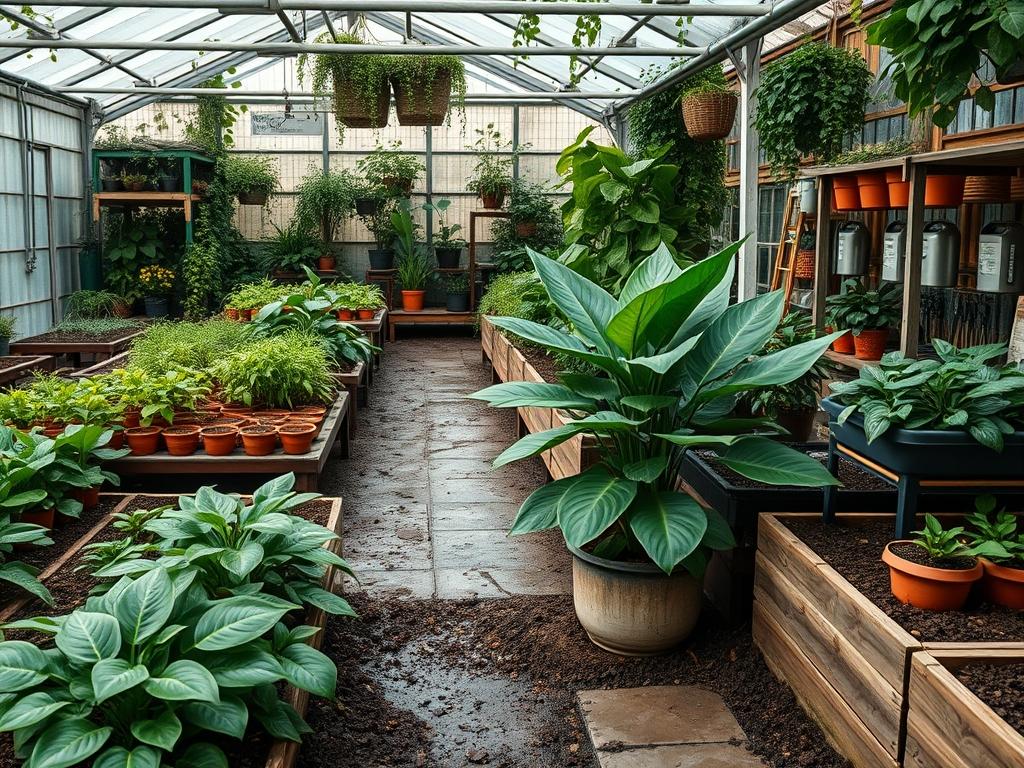
Cultivating a lush, tropical landscape requires more than just an eye for aesthetic placement; it demands a deep understanding of the subterranean environment. Landscape architects often treat the soil as the literal foundation of an outdoor room, and when dealing with the diverse genus of Philodendron, the substrate becomes the most critical variable for long-term health. Whether you are installing a high-impact focal point with a Philodendron bipinnatifidum or creating a cascading green wall with climbing varieties, the goal is to replicate the nutrient-rich, well-draining forest floor. Finding the best soil for Philodendron involves balancing moisture retention with aggressive aeration to prevent the root rot that plagues so many tropical installations. In regions with high humidity and mild winters, these plants serve as the backbone of curb appeal, offering a consistent structure and deep emerald hues that elevate the architectural lines of a modern home.
Landscape Design Principles
Successful tropical landscaping relies on the strategic application of symmetry and layering to create a sense of depth and permanence. Philodendrons are particularly valued for their ability to provide elevation layers within a garden bed. Large, arborescent species act as structural anchors; meanwhile, trailing varieties provide soft texture along the edges of retaining walls or pedestrian walkways. When planning the layout, consider the focal point of the garden. A singular, well-grown specimen can draw the eye toward an entryway or a specific architectural feature, like a water fountain or a stone pillar.
Irrigation planning must be integrated into the initial design phase to ensure these moisture-loving plants receive consistent hydration without becoming waterlogged. Visual balance is achieved by pairing the broad, bold leaves of the Philodendron with finer-textured plants, such as ornamental grasses or ferns. This contrast highlights the architectural form of the leaves. Furthermore, designers must account for the mature spread of these plants. Overcrowding often leads to poor air circulation, which invites fungal issues and pests. By spacing plants according to their maximum growth potential, you ensure that the landscape remains manageable and vibrant for years to come.
Plant and Material Selection
Selecting the right materials for your horticultural project requires a granular look at the specific needs of each variety. The table below outlines common selections and their environmental requirements.
| Plant Type | Sun Exposure | Soil Needs | Water Demand | Growth Speed | Maintenance Level |
| :— | :— | :— | :— | :— | :— |
| Philodendron Hope Selloum | Part Sun to Shade | Porous, Rich in Organic Matter | Medium to High | Fast | Moderate |
| Philodendron Xanadu | Partial Shade | Well-Draining, Sandy Loam | Moderate | Medium | Low |
| Heartleaf Philodendron | Full Shade to Filtered | Peat-Based, Airy Mix | Moderate | Fast | Low |
| Philodendron Rojo Congo | Bright Indirect Light | Chunky Aroid Mix | Medium | Moderate | Moderate |
| Philodendron Brasil | Shade to Filtered Light | High Porosity, Humus-Rich | Moderate | Fast | Low |
To achieve the best soil for Philodendron, a professional mix often includes orchid bark, perlite, and coco coir. These materials ensure that the roots have access to oxygen while maintaining the slight acidity that these plants prefer, typically an HP level between 5.0 and 6.0.
Implementation Strategy
The transition from a design concept to a thriving backyard layout begins with proper site preparation. Start by assessing the grading of the site. The land must slope away from the house and the planting beds to prevent standing water, which is the primary killer of tropical species. If the natural drainage is poor, consider installing a French drain or building a raised planter to elevate the root zone above the heavy native clay.
Next, focus on the soil mix itself. For a professional-grade installation, remove the top 12 inches of native soil and replace it with a customized aroid substrate. This mix should consist of 30 percent potting soil, 20 percent peat moss, 20 percent orchid bark, 20 percent perlite, and 10 percent worm castings. Use a square-point shovel to blend these materials thoroughly within the planting hole. Once the plant is situated at the proper depth, ensuring the crown is not buried, apply a 3-inch layer of hardwood mulch or pine straw. This mulch layer regulates soil temperature, suppresses weeds, and breaks down over time to provide natural fertilization. For climbing varieties, install a cedar post or a moss pole at the time of planting to provide immediate structural support.
Common Landscaping Failures
The most frequent mistake in tropical landscape management is the failure to address soil compaction. Over time, foot traffic or heavy rains can compress the soil particles, squeezing out the air pockets that Philodendron roots require for respiration. When the soil becomes a dense mass, water cannot penetrate to the root zone, and the plant begins to decline despite frequent watering. Another common error is improper spacing. Designers often plant for immediate impact, forgetting that many Philodendron varieties can grow several feet wide in a single season. This leads to root overcrowding and competition for nutrients.
Irrigation inefficiencies also take a significant toll. Many homeowners rely on overhead sprinklers, which leave water sitting on the broad leaves for extended periods. This practice increases the risk of leaf spot and other bacterial infections. Instead, utilize drip irrigation or soaker hoses buried beneath the mulch. This delivers moisture directly to the soil surface while keeping the foliage dry. Finally, neglecting the drainage needs of a site can lead to catastrophic losses. Even the best soil for Philodendron cannot save a plant that is sitting in a low spot where water gathers after every rainstorm.
Seasonal Maintenance
Landscape management is a year-round commitment that changes with the season. In the spring, focus on rejuvenation and nutrition. This is the ideal time to apply a slow-release granular fertilizer with a balanced nitrogen-phosphorus-potassium ratio. Prune any winter-damaged foliage using bypass pruners to encourage new growth as temperatures rise.
As summer approaches, the primary goal is moisture management. Monitor the mulch depth and replenish it if it has thinned out. During extreme heatwaves, increase the frequency of your irrigation intervals to prevent the soil from drying out completely. When autumn arrives, slow down the fertilization schedule as the plant’s metabolic rate decreases. This is also the time to check the integrity of any hardscaping or retaining walls before the winter rains begin. In winter, particularly in areas prone to light frosts, protect your Philodendrons with frost blankets or burlap wraps. While some varieties are hardy, deep freezes can damage the vascular system of the plant. Avoid heavy watering during the coldest months to prevent the roots from sitting in cold, damp soil.
Professional Landscaping FAQ
What is the best soil for Philodendron in outdoor beds?
The ideal mixture consists of high-porosity materials like orchid bark, coarse sand, and coco coir. This combination mimics the tropical forest floor by providing excellent drainage and aeration while retaining the consistent moisture necessary for vigorous root development.
How do I fix poor drainage in a tropical garden?
Address drainage by incorporating grading techniques to redirect runoff. Incorporating organic matter like compost can improve soil structure. For severe cases, install a French drain or use raised beds to keep the root systems above the saturation zone.
When should I fertilize my outdoor Philodendron?
Apply a balanced liquid fertilizer or slow-release granules during the active growing season from early spring through late summer. Avoid fertilizing in the winter months when the plant is dormant to prevent salt buildup and potential root burn.
Can Philodendrons grow in full sun?
Most varieties prefer filtered light or partial shade. Intense, direct afternoon sun can scorch the leaves and dry out the soil too quickly. If planting in sunnier spots, ensure the soil remains consistently moist and use mulch to cool the roots.
How often should I replace the mulch in my garden?
Replenish your organic mulch once or twice a year to maintain a consistent 3-inch depth. As mulch decomposes, it improves the soil tilth and provides nutrients, but it must be replaced to continue suppressing weeds and regulating temperature.