
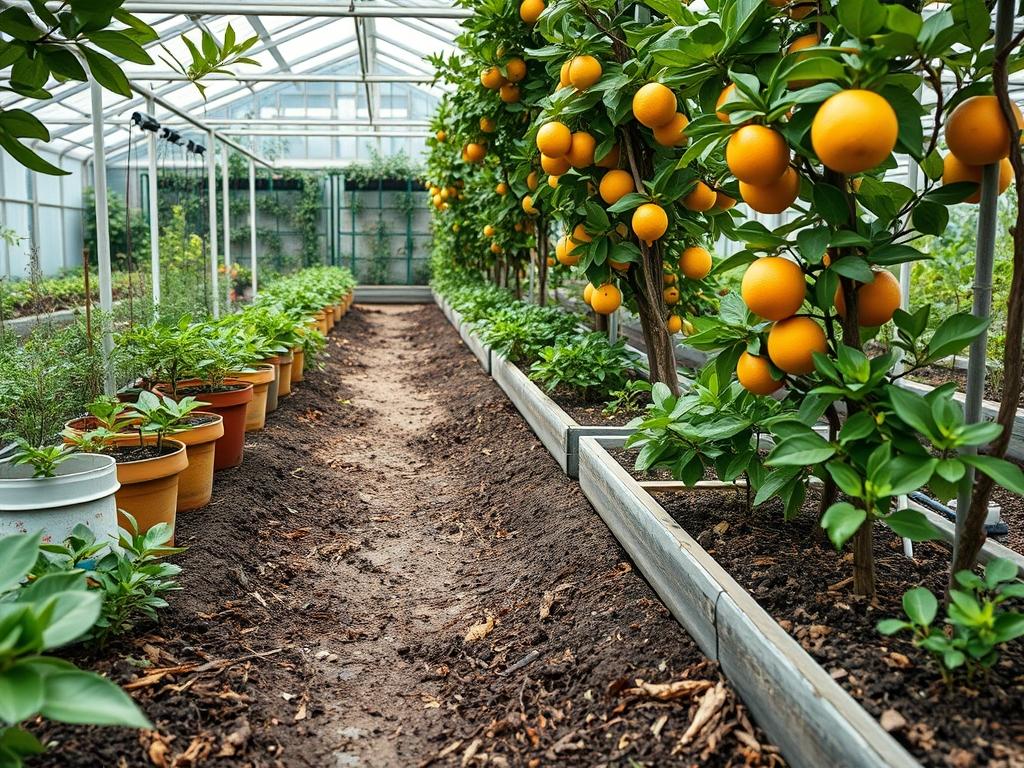
Integrating citrus trees into a professional landscape design offers a unique blend of aesthetic luxury and functional productivity. For the developer or the dedicated homeowner, these trees serve as structural anchors that provide evergreen foliage, fragrant blossoms, and vibrant fruit. However, the architectural success of a citrus installation depends entirely on the subterranean environment. Unlike resilient native hardwoods, Citrus Tree Soil Needs are specific and unforgiving. When planned correctly, a citrus grove or a single specimen tree enhances curb appeal and increases property value; when the soil physics are ignored, the result is a costly decline in tree health and a degradation of the overall landscape aesthetic. Architects must consider how these trees interact with the existing topography, ensuring that the visual goals of symmetry and balance do not compromise the physiological requirements of the root system.
The primary landscaping challenge with citrus involves balancing their high water consumption with their extreme sensitivity to saturated roots. In most Mediterranean or subtropical climates where these trees thrive, the natural soil often leans toward heavy clay or high alkalinity. Neither condition is conducive to long-term fruit production or canopy density. Professional landscape planning must therefore address the soil composition as a foundational step, often requiring significant amendment or the construction of raised features. By prioritizing the invisible health of the root zone, a designer ensures that the tree maintains its role as a focal point throughout the year, rather than becoming a chlorotic or thinning eyesore.
Landscape Design Principles
Successful citrus integration begins with the principle of focal points. A mature Meyer Lemon or Valencia Orange possesses a rounded, dense habit that naturally draws the eye. In formal gardens, designers often use these trees in pairs to flank a walkway or provide symmetry at the entrance of an outdoor kitchen area. Because citrus trees require significant sunlight, their placement dictates the organization of the rest of the garden. We typically utilize elevation layers to ensure that the citrus, as a mid-level canopy tree, does not shade out low-growing perennials while receiving at least eight hours of direct exposure.
Irrigation planning is another critical design pillar. Because Citrus Tree Soil Needs include consistent moisture without saturation, we often separate the citrus zones from the turf or ornamental shrub zones on the irrigation controller. This allows for deep, infrequent watering cycles that encourage deep root penetration. To maintain visual balance, walkways should be kept at a distance of at least 4 feet from the trunk. Soil compaction from foot traffic is a silent killer of citrus trees; it collapses the macro-pores necessary for oxygen exchange, leading to a slow decline in vigor. By utilizing decomposed granite or permeable pavers for nearby paths, we protect the soil structure while maintaining a clean, professional finish.
Plant and Material Selection
| Plant Type | Sun Exposure | Soil Needs | Water Demand | Growth Speed | Maintenance Level |
| :— | :— | :— | :— | :— | :— |
| Meyer Lemon | Full Sun | Acidic Sandy Loam | Moderate to High | Moderate | Medium |
| Key Lime | Full Sun | Well-Drained pH 6.0 | Moderate | Fast | High |
| Washington Navel | Full Sun | Loose Loam; High Oxygen | Moderate | Slow | Medium |
| Calamondin Orange | Full Sun/Part | High Porosity; Acidic | Low to Moderate | Moderate | Low |
| Star Ruby Grapefruit| Full Sun | Deep Drainage; High Iron | High | Fast | High |
Implementation Strategy
The implementation phase begins with a site survey to determine the grading. If the site is flat or possesses heavy clay, we implement a mounding strategy. Creating a 3-foot wide by 12-inch high berm using a mix of sandy loam, peat moss, and perlite ensures that the root flare remains above the water table during heavy rain. This elevation change also adds visual interest to the backyard, breaking up the monotony of a flat lawn. Once the grade is established, we use a trenching tool to install a dedicated low-volume drip irrigation system, placing emitters at the dripline of the tree rather than at the base of the trunk.
Edging and mulch application follow the planting. A clean edge provides a professional transition between the citrus bed and the surrounding landscape features. We apply a 3-inch layer of shredded cedar mulch or pine bark, being careful to leave a 6-inch gap around the trunk. Pine-based mulches are particularly effective for citrus because they slightly lower the soil pH as they decompose, aligning perfectly with the tree’s preference for acidity. Hardscaping elements, such as retaining walls made of natural stone, can be used to hold these specialized soil mixes in place if the yard has a significant slope, preventing the acidified soil from washing away and affecting nearby alkaline-loving plants.
Common Landscaping Failures
The most frequent failure in citrus landscaping is improper drainage management. When a citrus tree is planted in a “bathtub” hole, where a hole is dug into heavy clay and filled with light potting soil, water accumulates at the bottom with no escape. This leads to Phytophthora root rot, a condition that is often fatal before symptoms appear in the leaves. Furthermore, many installers overlook the acidity requirements. When the soil pH rises above 7.0, minerals like iron and manganese become chemically locked, making them unavailable to the tree. This results in interveinal chlorosis, where leaves turn yellow while the veins stay green, ruining the lush aesthetic of the landscape.
Root overcrowding is another common error, especially in smaller urban gardens. Citrus trees are often planted too close to concrete foundations or retaining walls. Concrete leaches lime over time, raising the soil pH and counteracting the efforts to maintain acidity. Additionally, the reflected heat from walls can scorch the fruit. Improper spacing between trees leads to poor air circulation, which invites pests like citrus leafminer and scale. Designers must ensure at least 10 to 15 feet of spacing for standard varieties to allow for natural growth and easy maintenance access.
Seasonal Maintenance
Spring is the most active season for citrus management. As the soil warms, we apply a high-nitrogen citrus fertilizer with a 6-4-6 or 8-8-8 NPK ratio, including micronutrients like zinc and iron. This is also the time for light structural pruning to remove water sprouts and crossing branches. During the summer, the focus shifts to moisture management. We use a soil moisture meter to verify that the root zone remains damp at a depth of 6 inches. If the leaves begin to curl inward during the heat of the day, it is a sign that the irrigation frequency needs to be adjusted.
Autumn maintenance involves refreshing the mulch layer and tapering off nitrogen fertilization to prevent soft new growth that could be damaged by frost. In colder microclimates, we prepare frost blankets or incandescent lights to wrap the trees if temperatures are predicted to drop below 32 degrees Fahrenheit. Winter is primarily a dormant period for growth, but it is the peak season for harvest for many varieties. During this time, we perform a “clean up” of the orchard floor, removing any fallen fruit to prevent the buildup of fungal pathogens and the attraction of rodents, ensuring the landscape remains pristine and healthy for the upcoming growing cycle.
Professional Landscaping FAQ
Why is drainage so important for citrus trees?
Citrus roots require high oxygen levels to function. In poorly drained soil, water replaces air in the soil pores, essentially suffocating the roots. This leads to fungal infections and systemic rot, which can kill a mature tree in a single season.
How do I test if my soil is acidic enough?
Use a digital pH meter or a professional soil testing kit. Citrus trees prefer a pH between 5.5 and 6.5. If your soil is too alkaline, you can lower the pH by incorporating elemental sulfur or aluminum sulfate into the topsoil.
What is the best mulch for citrus tree beds?
Pine bark nuggets or shredded pine mulch are ideal. They are organic, provide excellent insulation, and contribute to the acidity of the soil as they break down. Avoid using rocks or gravel, as these can increase soil temperature and pH levels.
Can I plant citrus near a swimming pool?
It is possible, but not recommended without a 10-foot buffer. Chlorine splash can damage foliage, and the high pH of pool water can leach into the soil. Additionally, falling fruit and blossoms can create excessive debris for pool filtration systems.
How often should I fertilize my citrus landscape?
Apply a specialized citrus food three times per year: late winter, late spring, and late summer. This schedule supports the heavy nutrient demands of flowering and fruit development while ensuring the foliage remains a deep, healthy green for maximum curb appeal.