
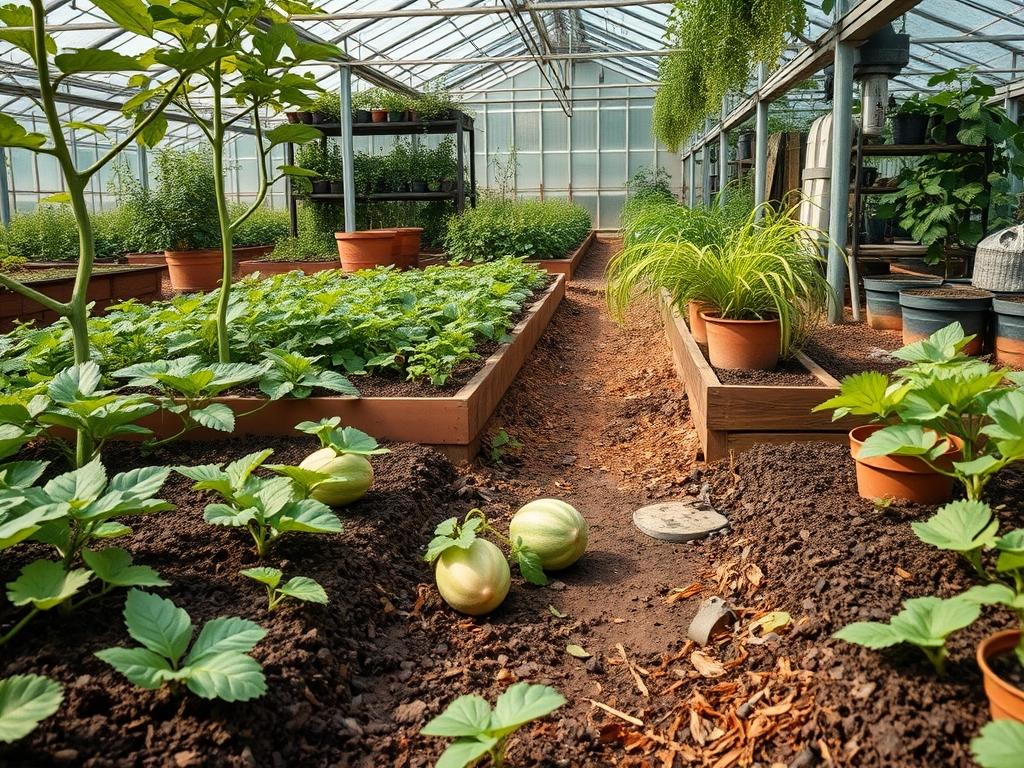
Integrating a functional edible garden into a high end residential landscape requires more than just a patch of tilled earth; it demands an understanding of soil physics and microclimates. When planning for a productive summer harvest, achieving the best soil for melons becomes a primary structural objective. Melons are unique in the horticultural world because they behave as both a sprawling groundcover and a high demand nutrient consumer. From a landscape architect’s perspective, the challenge lies in balancing the untamed growth patterns of Cucumis melo with the clean lines of a curated outdoor environment. This pursuit begins with the soil profile. To produce fruit with high sugar content and crisp texture, the substrate must facilitate rapid root respiration and maintain a consistent thermal baseline. Standard garden soil often lacks the porosity required for these heavy feeders, leading to stagnation in growth during the critical early weeks of the season.
The architectural integrity of an edible landscape is built upon the foundation of drainage. Melons are susceptible to fungal pathogens and root rot if their environment remains anaerobic for even short periods. Therefore, we design these spaces with a slight topographic incline or within raised masonry planters to ensure gravitational water movement. In the field, the best soil for melons is defined as a sandy loam with a high percentage of organic matter. This specific blend addresses the dual requirements of moisture retention and rapid runoff. By focusing on the thermal properties of the soil, we can accelerate the ripening process. Soil that is dark, rich, and well aerated absorbs solar radiation more efficiently, providing the root zone with the heat necessary to keep the plant’s metabolic rate at its peak.
Landscape Design Principles
Successful melon integration hinges on the principle of focal points and spatial transitions. While traditional vegetable patches are often hidden in the rear of a property, a well designed melon garden can serve as a lush, textured carpet that softens the transition between hardscaped patios and the broader lawn. We utilize symmetry by flanking stone walkways with identical raised beds, allowing the vines to spill over the edges in a controlled, aesthetic overflow. This creates a soft, living border that contrasts beautifully with the rigid geometry of Bluestone Pavers or Flagstone.
Elevation layers are equally critical in this design. Because melons require significant horizontal space, we often implement tiered retaining walls. These structures not only improve drainage by default but also elevate the fruit, making it easier to monitor and harvest without disrupting the visual flow of the garden. By placing the melon beds on a south-facing slope, we maximize solar gain, which is the engine driving the plant’s development. Irrigation planning must be subterranean or ground-level to maintain this aesthetic. Drip Irrigation Lines hidden beneath a layer of Cedar Mulch ensure that the foliage remains dry, preventing the unsightly powdery mildew that can ruin the visual appeal of the planting.
Visual balance is achieved through the use of vertical elements. While melons are naturally prostrate, heavy duty Steel Trellises or Cedar Obelisks can be used for smaller varieties like Cantaloupe or Sugar Baby Watermelons. This verticality draws the eye upward and saves precious square footage in smaller estate gardens. When the vines are trained upward, the landscape retains a sense of order and intentionality that is often lost in traditional agriculture.
Plant and Material Selection
| Plant Type | Sun Exposure | Soil Needs | Water Demand | Growth Speed | Maintenance Level |
| :— | :— | :— | :— | :— | :— |
| Cantaloupe | Full Sun | Sandy Loam, pH 6.0-6.8 | Moderate/High | Fast | Moderate |
| Watermelon | Full Sun | Coarse Sand/Loam | High | Very Fast | High |
| Honeydew | Full Sun | Silty Loam | Moderate | Medium | Moderate |
| French Marigold | Full Sun | Adaptive | Low | Medium | Low |
| Sweet Alyssum | Part Sun/Full | Well-drained | Moderate | Fast | Low |
Implementation Strategy
The transition from a design concept to a thriving melon garden starts with grading and site preparation. To achieve the best soil for melons, we begin by excavating the target area to a depth of 12 inches. This depth ensures that the primary taproot and the extensive lateral root system have room to expand without hitting compacted subsoil. If the native soil is heavy clay, we substitute it entirely with a custom blend of 70% Sandy Loam, 20% Aged Compost, and 10% Perlite.
Once the soil is blended, we establish the drainage infrastructure. A 2 percent grade is usually sufficient to prevent pooling near the crown of the plant. Edging is then installed to define the beds and prevent the surrounding turf grass from encroaching. We prefer high grade Aluminum Edging or Pressure Treated Timber for a clean finish. After the beds are shaped into mounds approximately 6 inches high and 3 feet wide, a layer of Black Plastic Film or Dark Organic Mulch is applied. This material serves two purposes: it suppresses weeds and acts as a heat sink to keep the soil temperature above 70 degrees Fahrenheit.
The final step in the layout is the installation of the irrigation system. We recommend 0.5 GPH Drip Emitters placed specifically at the base of each mound. This precision ensures that water reaches the roots directly, reducing waste and keeping the pathways dry. By the time the Garden Spades and Rakes are put away, the site is a highly calibrated environment designed for maximum yield and aesthetic impact.
Common Landscaping Failures
The most frequent error in melon cultivation is the failure to manage soil compaction. In high traffic landscapes, footwards are often placed too close to the planting zones. When soil is compacted, the delicate macropores that hold air are crushed, effectively suffocating the roots. This leads to stunted growth and small, bitter fruit. We solve this by installing stepping stones or permanent gravel pathways to ensure that maintenance remains off the planting surface.
Another common pitfall is improper spacing. It is tempting to crowd plants for a fuller look, but melons require at least 4 to 6 feet of space between mounds. Overcrowding limits airflow, which creates a humid microclimate conducive to pests and disease. Furthermore, many novice planners underestimate the water demands of melons during the fruit set stage. If the irrigation is inconsistent, the fruit may split or develop blossom end rot. This is often a result of poor soil structure that cannot hold an even moisture level, reinforcing the necessity of finding or creating the best soil for melons from the outset.
Seasonal Maintenance
Spring is the season of preparation and thermal management. Before planting, we test the soil pH and temperature. We do not transplant until the soil and air remain consistently warm. During this time, the focus is on light tilling and the incorporation of a Slow Release 10-10-10 Fertilizer. Once the seedlings are in the ground, we monitor the moisture levels daily.
Summer maintenance is dominated by pruning and irrigation recalibration. As the vines expand, we direct their growth toward the designated open spaces or up the architectural supports. We often thin the fruit to two or three high quality melons per vine to ensure the plant directs all its energy into the best produce. Regular applications of Compost Tea can provide a mid-season boost without the risk of chemical burn.
Autumn is for harvesting and site sanitization. Once the fruit is removed, the spent vines are cleared immediately to prevent pathogens from overwintering in the soil. We then sow a cover crop of Winter Rye or apply a thick layer of Arborist Chips to protect the soil structure from the erosive forces of winter rain and snow. In winter, maintenance is purely structural, focusing on the repair of trellises, fences, and irrigation controllers.
Professional Landscaping FAQ
What is the ideal pH for melon soil?
The best soil for melons should maintain a pH between 6.0 and 6.8. This slightly acidic to neutral range ensures that micronutrients like iron and manganese are available to the plant, preventing yellowing of the foliage.
How do I warm up the soil faster in spring?
Use Black Polyethylene Plastic to cover your planting beds two weeks before the last frost. This traps solar heat, raising the soil temperature by several degrees, which is crucial for early root establishment and overall vigor.
Can I grow melons in containers on a patio?
Yes, provided the container holds at least 5 to 10 gallons of high quality potting mix. You must use a trellis for vertical growth and ensure the pot has excellent drainage holes to mimic the best soil for melons.
How often should I water my melons?
Melons require deep, infrequent watering rather than shallow daily splashes. Aim for 1 to 2 inches of water per week, delivered directly to the soil. Reduce watering as the fruit reaches full size to concentrate the natural sugars.
What mulch is best for a professional look?
For aesthetic and functional purposes, Pine Bark Nuggets or Triple Shredded Hardwood Mulch are excellent choices. They provide a clean, dark backdrop that highlights the bright green vines while maintaining the soil moisture and temperature balance.