
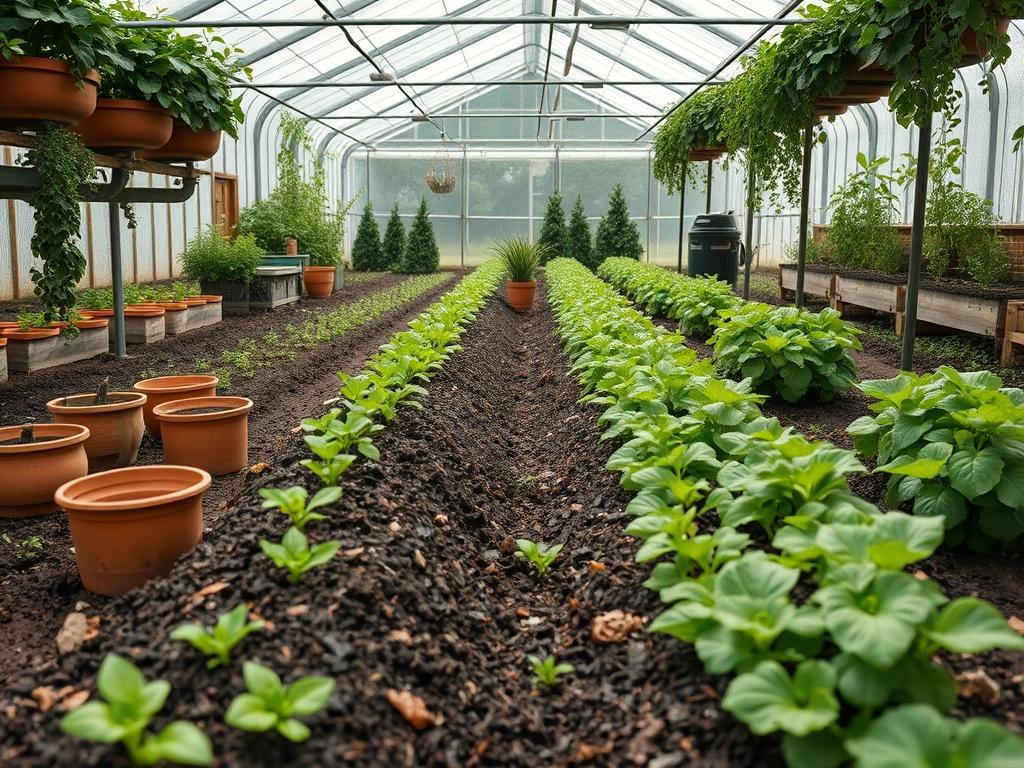
Converting a winter landscape into a vibrant spring garden requires more than simply planting new flowers; it involves the strategic management of the soil foundation. For many landscape architects and estate managers, the use of green manures is a standard practice to improve soil structure and nutrient density. Tilling Under Cover Crops represents a critical transition phase where the biological gains of the winter are physically integrated into the earth to prepare for high-value ornamental or functional plantings. This process maintains the curb appeal of a property by ensuring that the subsequent vegetation grows with vigor and uniform density. A well-executed spring integration plan respects the cycle of the seasons while addressing the practical needs of the site, such as drainage, elevation, and the eventual layout of walkways or hardscaped areas.
Successful landscape design relies on the health of the underlying environment to support the aesthetic goals of the client. When we manage cover crops in the spring, we are essentially performing a soil-building exercise that mimics natural forest floor cycles but at an accelerated pace. This transition is not merely a chore; it is a foundational step in landscape engineering. By timing the incorporation of organic matter correctly, we ensure that the soil remains aerated and fertile, which prevents the common issues of stunted growth or patchy lawn coverage that can detract from a professional outdoor environment.
Landscape Design Principles
Effective landscape design is a marriage of form and function. When planning the incorporation of cover crops, architects must consider symmetry and visual balance. If a garden layout uses formal, symmetrical lines, the transition of soil must be uniform across the entire site to prevent lopsided growth rates in the spring. Focal points, such as a large Japanese Maple or a central water feature, require nutrient-rich soil to thrive. Therefore, the areas surrounding these focal points often benefit the most from the intensive organic matter provided by cover crops.
Elevation layers and drainage planning are equally important during the tilling process. Adding a significant amount of biomass through cover crops can slightly alter the soil volume over several years. Designers must account for this by ensuring that the grading of the site remains consistent, preventing water from pooling around foundations or spilling over onto walkways. Irrigation systems must also be mapped out before tilling begins. Professional consultants often use this time to inspect irrigation valves and emitters to ensure that once the new crops are in place, the water delivery remains precise.
A cohesive design also factors in the transition from softscaping to hardscaping. The areas where the garden beds meet retaining walls or paver patios require careful tilling to avoid damaging the structural integrity of the hard materials. Using a hand-spade or a small garden tiller near these edges ensures that the soil is enriched without risking a collision with stone or concrete work. Visual balance is maintained when the soil is prepared to a uniform depth, typically 6 inches to 8 inches, allowing for a consistent planting surface that reflects a high level of professional care.
Plant and Material Selection
Selecting the right cover crop depends on the specific goals for the landscape, whether it is nitrogen fixation, weed suppression, or soil aeration. The following table outlines standard selections used in professional garden planning.
| Plant Type | Sun Exposure | Soil Needs | Water Demand | Growth Speed | Maintenance Level |
| :— | :— | :— | :— | :— | :— |
| Crimson Clover | Full Sun | Well-drained | Moderate | Medium | Low |
| Winter Rye | Sun to Part Shade | Versatile | Low | Fast | Medium |
| Hairy Vetch | Full Sun | Loamy | Moderate | Slow to Start | High |
| Field Peas | Sun to Part Shade | Rich, Loose | High | Rapid | Medium |
| Daikon Radish | Full Sun | Deep, Sandy | Moderate | Very Fast | Low |
Implementation Strategy
The process of Tilling Under Cover Crops begins with the reduction of plant height. Using a string trimmer or a flail mower, the standing crop should be cut down to a height of approximately 2 inches. This step is vital because long, stringy stalks can easily tangle in the blades of a rototiller, causing mechanical delays and uneven mixing. Once the biomass is chopped, it should be left to wither on the surface for 48 hours. This brief drying period reduces the moisture content of the green manure, making it easier to incorporate into the soil without creating large, anaerobic clumps.
Next, the rototiller is used to turn the plant matter into the top 6 inches of the soil profile. For larger estate gardens, a tractor-mounted disk harrow may be more efficient. The goal is to achieve a thorough mix where the green matter is evenly distributed. After tilling, the soil needs a “settling period” of at least two weeks. During this time, soil microbes begin to break down the organic matter. If the weather is particularly dry, a light application of water via the irrigation system can speed up this decomposition.
During this implementation phase, it is also the ideal time to check the grading of the beds. If the tilling has created high spots or depressions, a landscape rake should be used to smooth the surface. Proper grading ensures that rainwater moves away from the center of the garden and toward the designated drainage channels or French drains. Once the soil has settled and the organic matter has partially decomposed, a layer of hardwood mulch or pine bark can be applied to protect the newly enriched soil until the final ornamental plants are installed.
Common Landscaping Failures
One of the most frequent errors in landscape management is tilling the cover crop too late in the spring. If the plants are allowed to reach full maturity and produce seeds, the cover crop itself can become a weed in your future garden. Furthermore, woody stalks from mature plants take much longer to break down, which can lead to nitrogen robbery. This occurs when soil microbes consume all available nitrogen to break down the carbon-heavy stalks, leaving nothing for the newly planted perennials or annuals.
Another common failure involves soil compaction. Using heavy machinery on wet soil during the tilling process can destroy the soil structure you have worked all winter to build. This creates a hardpan layer that prevents root penetration and disrupts drainage. Professional landscapers always test the soil moisture before starting the tiller; if the soil forms a solid ball when squeezed, it is too wet to work. Improper spacing and root overcrowding are also risks if the landscape is not re-planned after the tilling is complete. The increased fertility can cause plants to grow larger than expected, leading to a crowded, messy appearance that diminishes the overall design.
Seasonal Maintenance
Maintaining a professional landscape is a year-round commitment that changes with the weather. In the spring, the focus is on the integration of organic matter and the preparation of the planting beds as described. This is the time to recalibrate irrigation timers for the increasing temperatures and to apply a pre-emergent weed control if necessary, though the cover crop itself often does much of this work.
During the summer, the primary task is moisture management. The organic matter added in the spring will help the soil retain water, but regular monitoring is still required. Mulch depth should be maintained at a consistent 3 inches to suppress weeds and cool the roots of native plants. In the autumn, the cycle begins again. After the summer annuals fade, the soil should be lightly aerated and the next round of cover crop seeds, such as Winter Rye or Clover, should be sown to protect the soil from winter erosion. Winter maintenance involves protecting the established cover crop from heavy foot traffic and ensuring that drainage pipes remain clear of debris so that the spring thaw does not lead to flooding.
Professional Landscaping FAQ
When is the best time to till under a cover crop?
You should till approximately three weeks before you plan to plant your main crops. This allows the green manure to decompose and prevents nitrogen tie-up, ensuring the soil is stable and nutrient-ready for new seedlings or transplants.
Can I till if the soil is still wet from spring rain?
No, tilling wet soil causes severe soil compaction and creates clods that harden like bricks. Wait until the soil is friable and crumbles easily in your hand to maintain the delicate pore spaces necessary for root respiration and drainage.
Do I need to add fertilizer after tilling?
While cover crops provide significant nutrients, a soil test is recommended. Legumes like Vetch add nitrogen, but you may still need to supplement phosphorus or potassium depending on the requirements of the specific specimen plants you intend to install.
What tools are best for small residential garden beds?
A rear-tine tiller provides the most power and control for breaking up thick cover crops in confined spaces. For very small areas or near delicate boxwood hedges, a broadfork or sturdy garden spade may be more appropriate for manual integration.
How deep should I till the organic matter?
The majority of plant nutrients and microbial activity are found in the top layer of the earth. Aim for a depth of 6 to 8 inches. Tilling deeper can disrupt the subsoil structure and bring dormant weed seeds to the surface.