
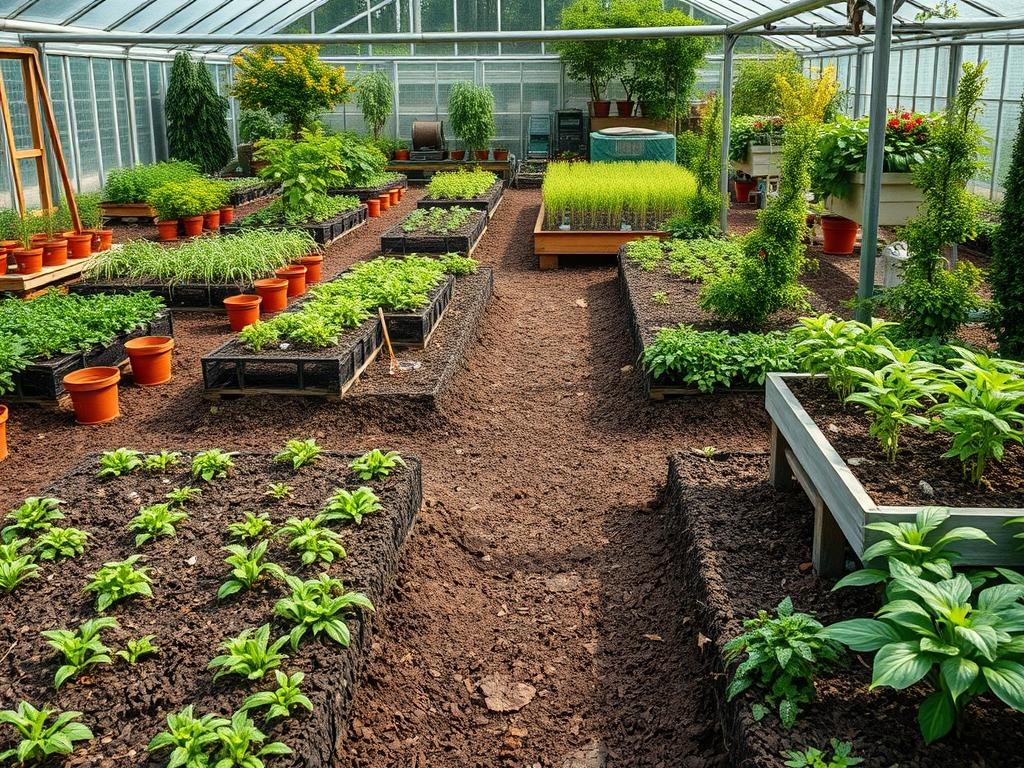
Landscaping projects represent a sophisticated intersection of environmental stewardship and architectural intent. When a homeowner or developer seeks to enhance curb appeal, the focus often drifts toward the immediate visual impact of vibrant blooms and structured pathways. However, the long-term success of an outdoor environment relies heavily on the foundational materials used to protect the soil and regulate moisture. One of the most contentious choices in current professional practice involves the use of cypress mulch. While it offers a distinct aesthetic and natural resistance to decay, the question of cypress mulch sustainability has become a focal point for modern landscape architects. Choosing a ground cover is no longer just about color or cost; it is about understanding the lifecycle of the material and its impact on the surrounding ecosystem. A well-planned garden balances these ethical considerations with functional goals such as weed suppression, temperature regulation, and moisture retention.
Effective outdoor spaces require a rigorous approach to functionality. We must consider how water moves across the site, how light filters through the canopy, and how different textures interact at eye level. By prioritizing native species and sustainable materials, we create landscapes that thrive with minimal intervention. This professional approach moves beyond simple gardening. It embraces site engineering, soil science, and environmental ethics to ensure that the beauty we create today does not come at the expense of a fragile wetland elsewhere.
Landscape Design Principles
Successful landscape design is rooted in the thoughtful application of structural principles. Symmetry and balance serve as the primary framework for any high-end project. In a formal garden, this might involve mirrored planting beds and perfectly centered focal points, such as a large Limestone Fountain or a specimen tree like a Japanese Maple. In more naturalistic settings, we aim for asymmetrical balance, where the visual weight of a large boulder on one side is countered by a dense cluster of ornamental grasses on the other. Layers of elevation are equally important. We often use Retaining Walls to create terraced levels, which not only adds visual interest but also helps manage soil erosion and drainage on sloped properties.
Water management is the silent partner of aesthetic design. A professional plan must include a dedicated irrigation strategy that accounts for the specific needs of each zone. High-traffic areas and walkways should be designed with both flow and safety in mind, utilizing materials like Permeable Pavers or Crushed Granite to allow rainwater to infiltrate the ground directly. By layering plants of varying heights, from ground covers to mid-story shrubs and towering canopy trees, we mimic natural ecosystems. This creates a sense of enclosure and privacy while providing a multi-dimensional visual experience. Focal points should be strategically placed to draw the eye through the landscape, ensuring that the garden feels like an intentional journey rather than a random collection of plants.
Plant and Material Selection
The following table outlines several hardy species and materials commonly utilized in sustainable landscape architectural plans. Each selection is evaluated based on its environmental requirements and growth patterns to ensure long-term viability in professional installations.
| Plant Type | Sun Exposure | Soil Needs | Water Demand | Growth Speed | Maintenance Level |
| :— | :— | :— | :— | :— | :— |
| Dwarf Palmetto | Full Sun to Shade | Well-Drained | Moderate | Slow | Low |
| Switchgrass | Full Sun | Adaptable | Low | Fast | Minimal |
| Oakleaf Hydrangea | Part Shade | Rich, Acidic | Moderate | Medium | Moderate |
| Wild Bergamot | Full Sun | Dry to Medium | Low | Fast | Low |
| Yaupon Holly | Full Sun to Part Shade | Adaptable | Low to Moderate | Medium | Low |
| Black-Eyed Susan | Full Sun | Well-Drained | Low | Fast | Minimal |
| Eastern Red Cedar | Full Sun | Highly Adaptable | Very Low | Fast | Low |
Implementation Strategy
Executing a professional garden layout begins with thorough site preparation. The first step is grading, which involves shaping the land to ensure that water flows away from building foundations and toward designated drainage areas or rain gardens. Once the grade is established, we mark the beds using Landscape Edging made of steel or heavy-duty plastic to create clean, permanent lines between the lawn and the planting zones. This prevents grass from encroaching on the mulch beds and simplifies future maintenance.
When it comes to mulch application, the selection process is critical. While cypress mulch has been a staple for decades due to its longevity and pale honey hue, the industry is shifting toward more sustainable alternatives. The truth about cypress mulch sustainability is that much of it is harvested from old-growth bald cypress forests in sensitive wetland areas. These trees take centuries to mature, and their removal disrupts local hydrology and wildlife habitats. As consultants, we now recommend Pine Bark Nuggets, Pine Straw, or Cedar Mulch. These materials offer similar benefits without the environmental cost. A 3-inch Layer of Mulch is the industry standard for suppressing weeds and retaining soil moisture. Anything deeper can actually prevent oxygen from reaching the roots, causing stress to the plants.
Hardscaping elements should be installed prior to planting to avoid soil compaction around new specimens. This includes the installation of Sub-irrigation Pipes, Flagstone Pathways, and Decorative Boulders. Once the hardscape is in place, we ammend the soil with organic compost to improve structure and nutrient density. Planting should follow a specific order: start with the largest trees, move to the shrubs, and finish with the ground covers and perennials. This prevents the trampling of smaller plants during the installation of larger ones.
Common Landscaping Failures
The most frequent failure in residential and commercial landscapes is poor drainage. When water is allowed to pool around the root zone, it leads to anaerobic conditions that rot the roots and kill the plant. This is often caused by improper grading or the failure to install a French Drain in low-lying areas. Another common mistake is root overcrowding. It is tempting to plant closely for “instant” impact, but professional designers must account for the mature width of every species. Overcrowding leads to poor air circulation, which increases the risk of fungal diseases and pest infestations.
Soil compaction is another silent killer. During construction, heavy machinery often packs the soil down until it is as hard as concrete. If this soil is not properly tilled and amended before planting, the roots will be unable to penetrate the ground, leading to stunted growth or death. We also see many issues with “mulch volcanoes,” where mulch is piled high against the trunk of a tree. This traps moisture against the bark, causing rot and providing a pathway for insects. Finally, irrigation inefficiencies often plague new gardens. Over-watering is just as damaging as under-watering; it encourages shallow root systems and wastes a precious natural resource.
Seasonal Maintenance
A landscape is a living entity that requires a structured maintenance schedule throughout the year. In the spring, the focus should be on cleaning up winter debris, pruning dead wood, and applying a fresh layer of Sustainable Mulch to prep for the summer heat. This is also the time to test the irrigation system and ensure all emitters are functioning correctly. As we move into summer, the priority shifts to deep watering during periods of drought and monitoring for pests. It is better to water deeply and less frequently to encourage deep root growth.
Autumn is the ideal season for planting new trees and shrubs, as the cooler temperatures allow roots to establish without the stress of extreme heat. We also recommend core aeration for lawns to combat compaction and improve nutrient uptake. During the winter, maintenance involves protecting sensitive plants from frost and performing structural pruning on deciduous trees. This is the best time to see the “bones” of the garden and make plans for structural changes or additions in the coming year. Regular soil testing every two to three years is also essential to monitor pH levels and nutrient deficiencies.
Professional Landscaping FAQ
Is pine bark a better alternative for cypress mulch sustainability?
Yes. Pine bark is typically a byproduct of the timber industry, making it more renewable than cypress harvested from wetlands. It acidifies the soil slightly as it breaks down, which benefits many ornamental plants while providing excellent moisture retention.
How deep should my mulch layer be for optimal health?
A depth of two to three inches is ideal for most gardens. This thickness provides enough coverage to suppress weed seeds and prevent evaporation without suffocating the root systems of your plants or preventing water from reaching the soil.
What is the best way to handle poor soil drainage?
Grading the site to create a one percent slope away from structures is the primary solution. For persistent wet spots, installing a French Drain or a rain garden planted with water-tolerant native species can effectively manage excess runoff and standing water.
Why are native plants preferred in professional designs?
Native plants are adapted to local climate conditions and soil types, requiring less supplemental water and fewer chemical fertilizers. They also provide essential habitat and food sources for local pollinators, such as bees, butterflies, and native bird species.
Can I use gravel instead of organic mulch?
Inorganic mulches like gravel or river rock are excellent for drainage and longevity. However, they do not improve soil quality over time and can absorb significant heat, which may stress certain plants during the peak of summer temperatures.