
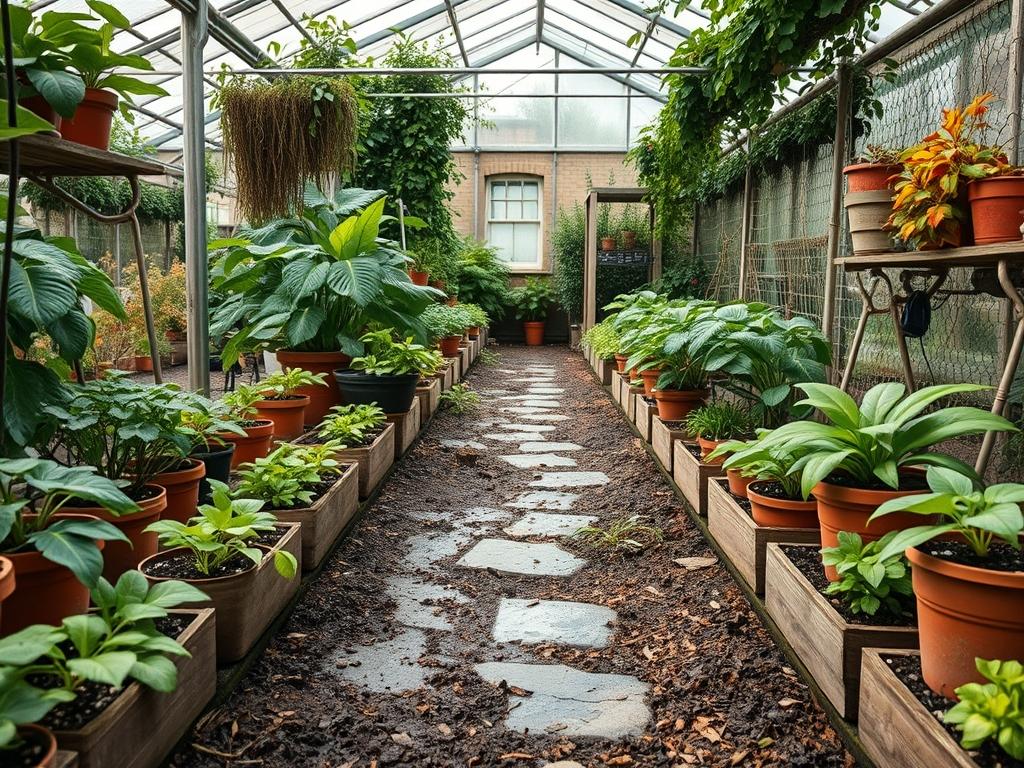
Cultivating a functional landscape requires a delicate balance between aesthetic architectural design and the biological imperatives of the flora selected. When we design outdoor environments, we often focus on the hardscaping, the elevation of the terrain, and the symmetry of the planting beds. However, the success of a landscape is ultimately measured by the health of the plants. For homeowners and developers integrating edible elements into their curb appeal, few things are as frustrating as seeing a productive garden marred by physiological disorders. Blossom end rot represents one of the most significant hurdles in this department. It is not a disease, but a nutrient deficiency that manifests as a sunken, leathery black spot on the bottom of fruits like tomatoes and peppers. To address this, high-level landscape consultants recommend the strategic use of Liquid Calcium for Plants. This intervention ensures that the structural integrity of the plant tissue remains intact throughout the growing season, preserving both the utility and the visual appeal of the garden.
Successful landscaping and garden planning must account for the micro-climates created by the placement of Retaining Walls and Walkways. These structures can radiate heat, which increases the transpiration rate of nearby plants. When plants transpire too quickly, they struggle to move calcium from the soil to the developing fruit. Calcium is a relatively immobile nutrient. It travels primarily through the xylem via water uptake. If the irrigation is inconsistent or the soil chemistry is unbalanced, the fruit suffers. By integrating a plan for nutrient delivery into the initial landscape design, we can prevent the localized necrosis that defines blossom end rot. This holistic approach treats the garden as a living system where soil health, water management, and nutrient availability are as important as the placement of a focal point or the choice of Pavers.
Landscape Design Principles
In the realm of grand landscape architecture, symmetry and focal points dictate the flow of the outdoor space. When planning a garden that includes fruiting plants, these design principles must be adapted to accommodate the specific needs of the species. Symmetry can be achieved through the use of tiered garden beds that use Cedar Planking or Stone Masonry. These raised beds allow for better control over soil composition, which is critical for nutrient management. A central focal point, such as a large Urn or a Water Feature, can draw the eye while the surrounding functional plants provide a lush, green backdrop.
Elevation layers play a vital role in both visual interest and drainage. By varying the height of planting surfaces, we ensure that water does not pool around the root zones. Excessive moisture can lead to soil compaction, which restricts the roots’ ability to seek out minerals. Irrigation Planning must be precise; we typically recommend Drip Irrigation systems that provide a steady, consistent supply of water. This consistency is the foundation of calcium transport. If the soil oscillates between bone-dry and saturated, the plant’s internal transport system fails.
Visual balance is achieved by mixing textures and colors. The deep greens of Lycospericon (Tomato) leaves provide a soft contrast to the hard lines of a Granite Walkway. However, the sight of rotting fruit hanging from these plants detracts from the professional finish of the property. This is why the application of Liquid Calcium for Plants is considered a design necessity. It ensures that the “produce” part of the landscape remains as beautiful as the ornamental part. When the fruit is healthy, the garden feels abundant and successful. When the fruit is marred by rot, the landscape feels neglected regardless of how expensive the hardscaping might have been.
Plant and Material Selection
Selecting the right materials and plant species is a technical process that requires understanding the local climate and soil pH. Below is a selection of plants commonly used in edible landscapes that are prone to calcium-related issues, along with their requirements.
| Plant Type | Sun Exposure | Soil Needs | Water Demand | Growth Speed | Maintenance Level |
| :— | :— | :— | :— | :— | :— |
| Solanum lycopersicum (Tomato) | Full Sun | Well-drained loam | High/Consistent | Fast | High |
| Capsicum annuum (Pepper) | Full Sun | Rich organic matter | Moderate | Medium | Medium |
| Cucurbita pepo (Squash) | Full Sun | Sandy loam | High | Very Fast | High |
| Solanum melongena (Eggplant) | Full Sun | Deep, fertile soil | Moderate | Medium | Medium |
| Cucumis sativus (Cucumber) | Full/Partial Sun | Loose, moist soil | High | Fast | Medium |
In addition to the plants, the choice of Mulch and Soil Amendments is critical. We often specify Wood Chips or Straw Mulch at a depth of 3 Inches to regulate soil temperature and moisture. For the hardware, Stainless Steel Edging or Basalt Stone provides a clean border that prevents grass encroachment into the nutrient-sensitive zones of the garden beds.
Implementation Strategy
The implementation of a professional garden layout begins with Grading. Proper slope ensures that runoff moves away from the foundation of the home while also preventing the drowning of the root systems in the garden beds. Ideally, a slope of 2 Percent is maintained across the lawn areas. Once the grade is established, we lay out the Walkways and Hardscaping to define the traffic flow of the outdoor room. This defines the boundaries for the planting zones.
Next, we address the soil. Most residential soils are compacted by construction equipment and require aeration and the addition of Organic Compost. During this phase, we incorporate Liquid Calcium for Plants into the initial watering-in process. Unlike powdered lime, which can take months to change the soil chemistry, liquid formulations are immediately available to the plant’s root hairs. This is crucial for fast-growing species that begin flowering within weeks of planting.
When setting the plants, proper spacing is key to ensuring air circulation. We typically recommend 24 Inches to 36 Inches between tomato plants. After planting, a Drip Irrigation header is installed. This system is often connected to a smart controller that adjusts for rainfall, ensuring that the moisture levels remain stable. Finally, the application of Mulch over the irrigation lines hides the technology while serving the functional purpose of moisture retention. This layered approach ensures that the architectural vision is supported by a robust biological foundation.
Common Landscaping Failures
The most common failure in high-end garden planning is a lack of attention to drainage. When water accumulates in a planting bed, it displaces the oxygen in the soil. This leads to root rot and prevents the plant from absorbing nutrients like calcium and magnesium. Even if the soil has plenty of calcium, the plant cannot access it if the roots are suffocating. This is why we emphasize the use of French Drains or Gravel Sumps in low-lying areas of the landscape.
Another frequent mistake is improper spacing leading to root overcrowding. When too many plants compete for the same volume of soil, the available pool of nutrients is depleted rapidly. This competition often results in blossom end rot because the fastest-growing plants hog the available water and minerals. Furthermore, the use of high-nitrogen fertilizers can exacerbate the problem. Nitrogen promotes rapid leaf growth; however, if the calcium levels do not keep pace with the leaf expansion, the fruit is left deficient.
Soil compaction is a silent killer in the landscape. Over time, foot traffic or heavy rains can press the soil particles together, closing the micropores through which water and air move. Without those pores, the Irrigation Inefficiencies become apparent. The water runs off the surface rather than soaking in. To combat this, we recommend annual core aeration and the periodic application of liquid surfactants or nutritional supplements to maintain the soil structure and nutrient mobility.
Seasonal Maintenance
Landscape management is a year-round commitment. In the Spring, the focus is on preparation. This involves testing the soil pH and applying the first round of Liquid Calcium for Plants as the soil warms up to 60 Degrees Fahrenheit. This prepares the ground for the intensive growing season ahead. Check all Irrigation lines for leaks or clogs caused by winter debris.
During the Summer, the priority shifts to monitoring and consistency. This is the peak time for blossom end rot to appear. As temperatures rise, the water demand of the plants increases exponentially. We recommend checking the moisture depth; it should be wet at least 6 Inches below the surface. Regular applications of liquid nutrients every Two Weeks can provide the boost needed during the heavy fruiting period.
In the Autumn, the focus turns to sanitation and soil building. Remove all spent vegetable plants to prevent the overwintering of pests. Add a fresh layer of Compost and Mulch to protect the soil from winter erosion. This is also a good time to install new hardscaping elements like Fire Pits or Stone Benches while the ground is still workable but the garden is dormant.
Winter is the season for structural maintenance. Prune any dormant trees or shrubs and plan for the following year’s crop rotation. By moving the location of calcium-heavy feeders like tomatoes each year, you prevent the localized depletion of soil minerals. Inspect Retaining Walls for any shifting caused by freeze-thaw cycles and ensure that drainage outlets remain clear of ice and snow.
Professional Landscaping FAQ
How does liquid calcium stop fruit from rotting?
Liquid Calcium for Plants strengthens the cell walls of the fruit. When calcium is readily available in the soil solution, the plant can transport it to the blossom end, preventing the tissue collapse that causes dark, leathery spots.
Can I fix blossom end rot once it starts?
You cannot heal a fruit that already has rot. However, applying a liquid calcium supplement and stabilizing your Irrigation immediately will protect the subsequent fruits on the same plant from developing the condition as they grow.
Why is liquid calcium better than lime?
Lime takes months to break down and affect the soil. Liquid Calcium for Plants is chelated or highly soluble, meaning the roots can absorb it instantly. This provide a fast-acting solution for plants already in their fruiting stage.
Does mulch help prevent nutrient deficiencies?
Yes. Mulch maintains consistent soil moisture. Since calcium moves through the plant via water, preventing the soil from drying out ensures a steady stream of nutrients to the fruit, which is the best way to prevent rot.
How often should I apply liquid calcium?
For most garden layouts, an application every 14 Days during the flowering and fruiting stage is ideal. This ensures that as the plant grows and produces new fruit, it always has an adequate supply of cell-building minerals.