
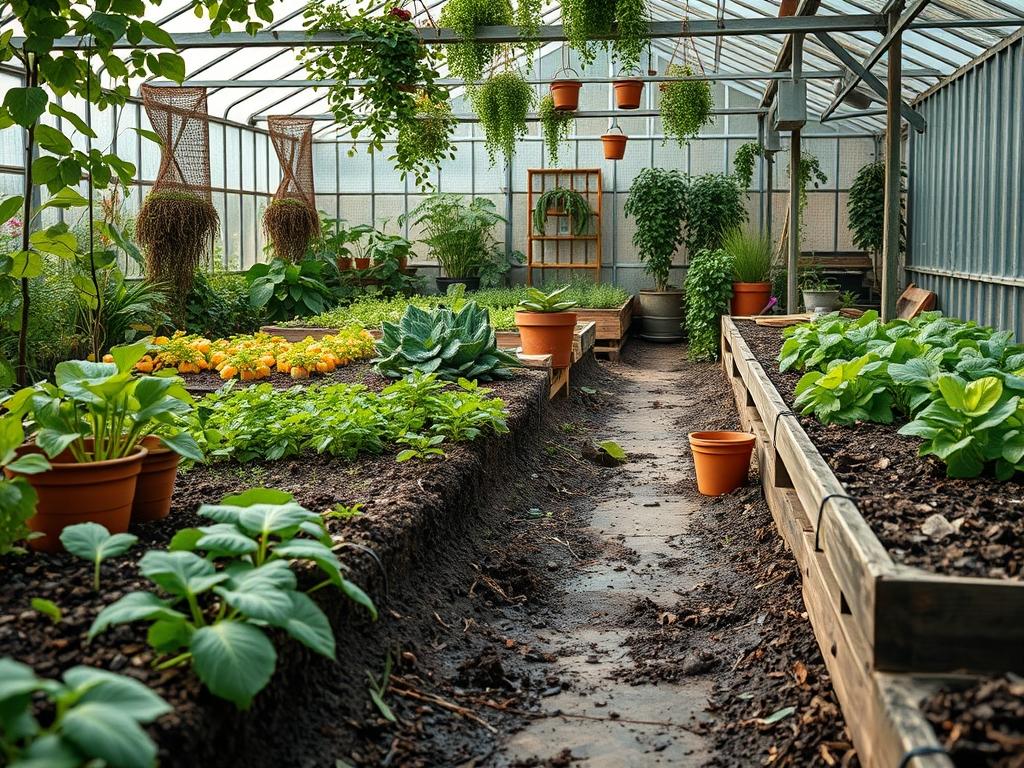
Integrating a sustainable nutrient management system into a professional landscape design requires a sophisticated balance between aesthetic appeal and biological utility. When we approach the task of composting kitchen scraps within a high end residential or commercial environment, we are not merely managing waste; we are designing a closed loop ecosystem. The primary challenge lies in concealing the utilitarian aspects of decomposition while maximizing the output of organic matter for the benefit of specimen plantings and turf health. A well executed plan considers the prevailing winds to mitigate odors, uses structural screening to maintain curb appeal, and ensures that the site grading prevents any leachate from affecting the structural integrity of nearby hardscaping or water features.
From a consultant perspective, the functionality of the outdoor environment hinges on soil quality. Most modern landscapes suffer from heavy soil compaction during the construction phase, which restricts root growth and limits microbial activity. By systematically recycling organic matter, a property owner can improve the cation exchange capacity of the soil, leading to more vibrant foliage and better resistance to drought. This process begins in the kitchen but finds its purpose in the garden beds. Integrating this into the landscape architecture involves site analysis to determine the most accessible yet discreet location for a bin or tumbler system. We must evaluate the proximity to the garden beds, the ease of access for the homeowner, and the relationship between the compost area and existing irrigation zones.
Landscape Design Principles
In the realm of landscape architecture, the placement of a composting station must adhere to the core principles of symmetry and visual balance. We often utilize the concept of functional zoning to separate high traffic entertainment areas from utility zones. To maintain the focal points of a garden, a composting system can be tucked behind a decorative screen made of horizontal cedar slats or integrated into a series of layered retaining walls. If the property has significant elevation changes, the compost area should ideally be positioned on a mid level terrace. This allows for gravity assisted transport of finished material to lower planting beds while keeping the primary decomposition site well drained and accessible.
Symmetry is maintained by echoing the materials used elsewhere in the landscape. If the patio features bluestone pavers, the base of the compost area should utilize a similar stone or a complementary 3/4-inch crushed gravel to ensure a cohesive look. Irrigation planning is also critical; while we often think of irrigation as a tool for plants, a compost pile requires consistent moisture to sustain the thermophilic bacteria responsible for breaking down kitchen scraps. Extending a drip irrigation line to the compost zone ensures the pile stays active during peak summer months without requiring manual watering. Furthermore, the inclusion of clear walkways made of permeable pavers or stepping stones allows for easy access even during inclement weather, preventing the compaction of surrounding turf and maintaining the overall polish of the site.
Plant and Material Selection
The following table outlines plants that thrive when supplemented with compost derived from kitchen scraps, along with their specific environmental requirements.
| Plant Type | Sun Exposure | Soil Needs | Water Demand | Growth Speed | Maintenance Level |
| :— | :— | :— | :— | :— | :— |
| Viburnum | Full Sun to Part Shade | Loamy, Well-drained | Moderate | Fast | Low |
| Boxwood | Part Shade to Shade | Rich, Organic | Moderate | Slow | Medium |
| Serviceberry | Full Sun | Moist, Acidic | High | Moderate | Low |
| Switchgrass | Full Sun | Adaptable | Low | Fast | Very Low |
| Echinacea | Full Sun | Well-drained | Low | Moderate | Low |
| Hydrangea | Part Shade | Rich, Moist | High | Moderate | Medium |
When selecting materials for the compost structure itself, durability and aesthetics are paramount. We recommend using weathering steel or pressure treated timber wrapped in stone veneer to match the home’s exterior. For the primary composting medium, a carbon to nitrogen ratio must be maintained, typically by mixing kitchen scraps with arborist wood chips or dried leaf litter. These materials provide the structural porosity needed for oxygen to reach the center of the pile, facilitating aerobic decomposition and preventing the sour odors associated with anaerobic conditions.
Implementation Strategy
The successful implementation of a composting system begins with site preparation and grading. To prevent pooling water, the site should be leveled with a 2-inch layer of compactable sub-base followed by a layer of geotextile fabric to prevent weeds from migrating into the bin. If the compost system is part of a larger garden renovation, the installation of a French drain near the site can help manage heavy runoff during seasonal storms.
For a standard residential backyard, a 3-bin system remains the gold standard for landscape architects. This setup allows for one bin to be “filling” with new kitchen scraps, one to be “cooking” as it decomposes, and the third to hold “finished” material ready for distribution. Each bin should be at least 3 feet by 3 feet by 3 feet to ensure enough mass is present to generate internal heat. When utilizing the finished product, apply a 2-inch to 4-inch layer of mulch over the top of the compost to suppress weeds and retain moisture. This layering technique mimics the natural forest floor and provides a steady release of nutrients to the root zones of ornamental shrubs and perennial borders.
Hardscaping elements such as metal edging or cobblestone borders should be used to define the boundaries of the compost area, preventing the migration of organic debris into the lawn. If the landscape designer chooses a tumbling system, it should be mounted on a level concrete pad or heavy duty pavers to prevent it from sinking into the soil over time.
Common Landscaping Failures
One of the most frequent errors in integrating composting into a landscape is poor drainage. If a compost pile sits in a low spot, it becomes waterlogged, leading to a foul smelling mess that can damage nearby plant roots through the leaching of organic acids. Ensure the site has a 2 percent slope away from the bin to encourage drainage. Another common failure is root overcrowding, where the nutrient rich environment of the compost bin attracts roots from nearby willows or maples. These roots can penetrate the bin, making it nearly impossible to turn or harvest the compost. Installing a root barrier or placing the bin on a hard surface can mitigate this issue.
Improper spacing is another concern. A compost bin placed too close to the home’s foundation or wooden siding can trap moisture and encourage rot or pest activity. A minimum clearance of 5 feet from any structure is a professional standard. Furthermore, soil compaction around the compost area due to high foot traffic can destroy the soil structure. Using mulched pathways or decomposed granite can protect the soil while providing a clean, walkable surface. Finally, irrigation inefficiencies occur when the compost is ignored during the dry season. If the pile dries out completely, the microbial population dies off, and the decomposition of kitchen scraps halts entirely.
Seasonal Maintenance
Landscape management shifts with the transition of the seasons, and the compost system is no exception. In the Spring, the focus is on harvesting the finished material from the previous year. This “black gold” should be incorporated into the top 6 inches of soil before new plantings are installed. It is also the time to inspect the structural integrity of the bins and repair any damage from winter frost heave.
During the Summer, the priority is hydration and aeration. The pile should be turned once a week using a pitchfork or aeration tool to introduce oxygen. If the temperature exceeds 90 degrees, additional water may be needed to prevent the pile from becoming a fire hazard or simply stalling out.
In the Autumn, the landscape produces a bounty of “browns” in the form of fallen leaves. This is the time to stockpile carbon sources to balance the high nitrogen kitchen scraps that will be added throughout the winter. Using a mulching mower to shred leaves before adding them to the pile will significantly speed up the decomposition process.
Winter maintenance involves insulation. In colder climates, decomposition slows down as temperatures drop. You can keep the process active by surrounding the bins with straw bales or a thick layer of evergreen bough mulch. Continue adding kitchen scraps, but minimize turning the pile to keep the internal heat trapped.
Professional Landscaping FAQ
How do I prevent pests from entering my compost area?
Ensure a proper balance of carbon and nitrogen, and never include meat or dairy. Use 1/4-inch hardware cloth to line the bottom and sides of wooden bins to prevent rodents from burrowing into the nutrient rich material.
Can compost be used as a top dressing for lawns?
Yes, applying a 1/4-inch layer of finely screened compost over the turf in early spring or fall can improve soil structure and reduce the need for synthetic fertilizers. This process, known as top dressing, enhances moisture retention.
What is the fastest way to break down kitchen scraps?
Increase the surface area by chopping scraps into smaller pieces and maintaining a temperature between 130 and 150 degrees Fahrenheit. Regular aeration and ensuring the pile is as damp as a wrung out sponge will accelerate microbial activity.
Should I use a compost starter or activator?
Most established landscapes already contain the necessary bacteria and fungi. However, adding a few shovelfuls of existing garden soil or finished compost to a new pile can jumpstart the process more effectively than expensive commercial activators.
How do I hide the compost area without blocking airflow?
Use a semi-permeable screen such as a trellis with climbing vines like Clematis or Star Jasmine. These plants provide aesthetic coverage while allowing the essential oxygen exchange required for healthy, odor-free decomposition of organic materials.