
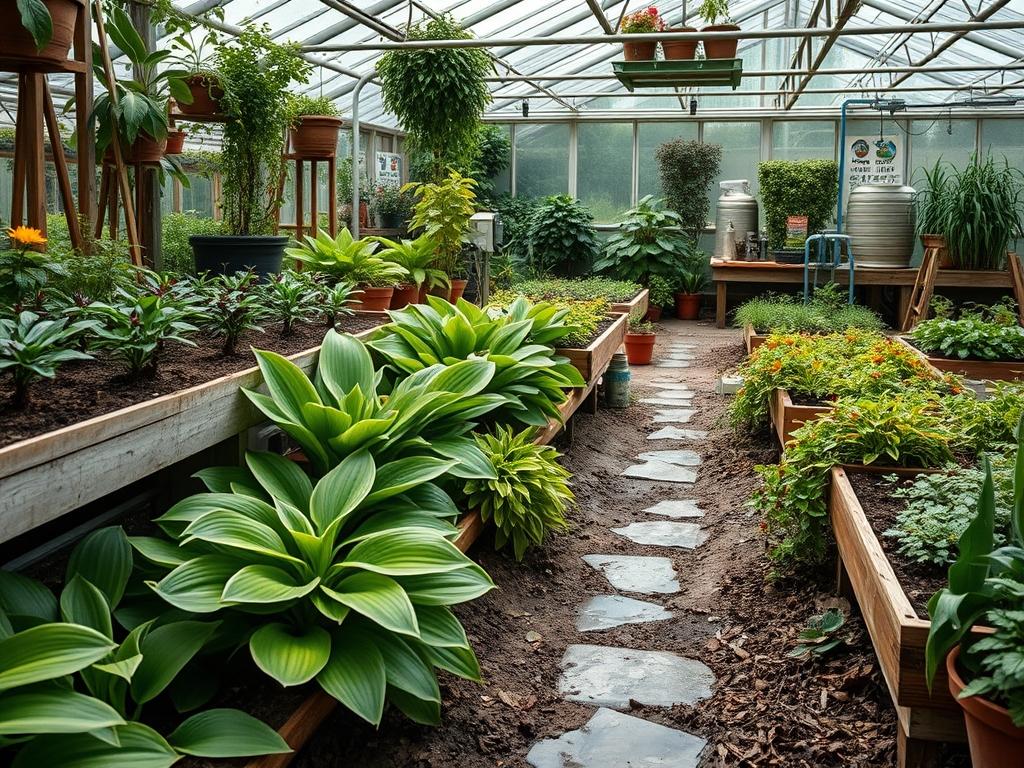
Establishing a thriving woodland garden depends entirely on the foundation beneath the canopy. Shady corners often represent the most neglected areas of a residential property, yet they offer the greatest potential for creating a lush, tranquil retreat. From a landscape architecture perspective, these dim spaces require a strategic approach to both aesthetics and horticulture. Selecting the best soil for hostas is not merely a gardening task; it is a critical component of site engineering that impacts the long-term health of the plant and the overall curb appeal of the home. When we design outdoor environments, we look for solutions that provide high visual impact with sustainable maintenance requirements. Hostas, with their architectural foliage and diverse textures, are the gold standard for shade-tolerant greenery. However, their success is dictated by the specific gravity, nutrient density, and drainage capabilities of the medium in which they reside.
The microclimate of a shady corner presents unique challenges, including increased moisture retention and competition from tree roots. To transform these areas into functional outdoor living spaces, the soil must be engineered to mimic a forest floor. This involves a delicate balance of organic matter and mineral components. A professional installation focuses on the structural integrity of the soil profile to prevent sinking and compaction over time. By prioritizing the best soil for hostas, a homeowner ensures that these perennials develop the robust root systems necessary to support large, vibrant leaves that can reach several feet in diameter. The result is a refined landscape that adds significant value to the property while providing a cool, inviting atmosphere during the peak of summer.
Landscape Design Principles
Successful shade gardening relies on the core tenets of landscape design: symmetry, focal points, and elevation layers. When working with shady corners, we often use hostas to anchor the lower elevation layers, providing a grounded feel to the space. The architectural form of a Hosta sieboldiana ‘Elegans’ can act as a natural focal point, drawing the eye into the shadows with its massive, blue-grey leaves. To achieve visual balance, designers often group plants in odd numbers, such as clusters of three or five, to create a more organic and less rigid appearance.
Symmetry can be achieved through the repetitive use of specific cultivars along a walkway or mirroring plantings on either side of a garden gate. Elevation plays a crucial role in these designs. By utilizing retaining walls or raised beds, we can manipulate the height of the garden, bringing the intricate patterns of the foliage closer to eye level. This also aids in drainage, a vital factor in any shade environment. Furthermore, the integration of walkways made of flagstone or crushed slate provides a clean contrast to the soft textures of the hostas, defining the movement within the space and preventing soil compaction in the root zones. Irrigation planning must also be integrated at this stage to ensure that water reaches the base of the plants without saturating the foliage, which can lead to fungal issues.
Plant and Material Selection
| Plant Type | Sun Exposure | Soil Needs | Water Demand | Growth Speed | Maintenance Level |
| :— | :— | :— | :— | :— | :— |
| Giant Hosta | Full Shade to Part Shade | Rich, Loamy, Well-draining | High | Moderate | Low |
| Miniature Hosta | Part Shade | High Organic Matter | Moderate | Slow | Medium |
| Japanese Painted Fern | Full Shade | Acidic, Moist | High | Moderate | Low |
| Astilbe | Part Shade | Fertile, Humus-rich | Very High | Fast | Medium |
| Heuchera | Sun to Part Shade | Neutral pH, Well-drained | Moderate | Moderate | Low |
| Leaf Mold Compost | N/A | High Carbon Content | N/A | N/A | Soil Amendment |
| Pine Bark Mulch | N/A | Acidifying properties | N/A | N/A | Surface Cover |
Implementation Strategy
The process of installing a high-end hosta garden begins with site preparation and grading. Before a single plant is placed, the physical layout must be marked with landscape stakes and string lines. Grading is essential to ensure that water moves away from the foundation of the home and does not pool in the centers of the planting beds. For hostas, the goal is to create a soil depth of at least 12 inches of high-quality, amended earth. The best soil for hostas typically consists of a blend of 40 percent compost, 40 percent topsoil, and 20 percent coarse sand or perlite to facilitate aeration.
Once the beds are graded, the installation of hardscaping elements such as natural stone edging or timber retaining walls should occur. These structures define the boundaries of the garden and help maintain the integrity of the soil layers. When planting, the hole should be twice as wide as the root ball but no deeper. It is a common mistake to bury the crown of the hosta; it should sit exactly at the soil surface. After the plants are in the ground, a 3 inch layer of organic mulch, such as shredded hardwood, should be applied. This mulch suppresses weeds, retains necessary moisture, and gradually breaks down into the soil, further enriching the environment. An integrated drip irrigation system is the preferred method for watering, as it delivers moisture directly to the root zone, minimizing evaporation and keeping the large leaves dry.
Common Landscaping Failures
One of the most frequent errors in shade gardening is neglecting the impact of soil compaction. In areas with high foot traffic or heavy clay content, the roots of the hosta are literally suffocated. Without adequate pore space, oxygen cannot reach the roots, and water cannot drain, leading to crown rot. Another failure involves improper spacing. While a Hosta ‘Empress Wu’ may look small in its 1 gallon container, it can grow to a width of 6 feet. Failure to plan for the mature size of the plant leads to overcrowding, which reduces airflow and increases the risk of slug infestations and foliar diseases.
Inadequate drainage is equally detrimental. If the garden is located at the bottom of a slope without a proper French drain or adequate grading, the hostas will languish in standing water. Furthermore, many homeowners fail to account for the competitive nature of large trees. The roots of maples and oaks will quickly migrate into a newly amended garden bed to steal nutrients and moisture. To mitigate this, professional designers may use root barriers or choose to plant hostas in large, aesthetically pleasing terracotta pots or raised stone planters to isolate them from the surrounding tree roots.
Seasonal Maintenance
Maintaining a professional landscape requires a rhythmic approach to the seasons. In the Spring, the focus is on cleanup and fertilization. As the “pips” or new shoots emerge from the ground, a balanced 10-10-10 slow-release fertilizer should be applied. This is also the ideal time to divide any overgrown hostas to maintain the desired density of the garden.
During the Summer, the primary task is water management. Hostas are thirsty plants, and in periods of high heat, they may require supplemental irrigation even in the shade. Checking the mulch depth is also important to ensure the soil remains cool. In Autumn, as the leaves begin to yellow and go dormant, they should be removed to prevent pests like slugs and snails from overwintering in the debris. A fresh layer of leaf mold can be added at this time to provide insulation. In Winter, the garden is largely dormant, but it is a perfect time to inspect hardscaping for any shifting and to plan for the following year’s additions.
Professional Landscaping FAQ
What is the ideal pH for hosta soil?
The best soil for hostas is slightly acidic to neutral, typically between 6.5 and 7.5 pH. This range allows the plant to efficiently absorb essential micronutrients. Testing your soil with a pH meter before planting is highly recommended for optimal growth.
Can hostas grow in heavy clay soil?
While hostas are hardy, heavy clay restricts root expansion and causes waterlogging. To succeed in clay, you must incorporate large amounts of organic compost and coarse sand to improve the structure and drainage of the planting area significantly.
How often should I replace the mulch?
You should refresh your mulch annually, typically in the spring. As the previous year’s mulch decomposes, it adds nutrients to the soil. Maintaining a consistent 3 inch depth is crucial for moisture retention and suppressing invasive weed growth.
Do hostas need a lot of fertilizer?
Hostas are not heavy feeders, but they benefit from a consistent supply of nutrients. Use a granulated fertilizer once in early spring and again in mid-summer. Avoid high-nitrogen blends late in the season to allow the plant to prepare for winter.
Why are the edges of my hosta leaves turning brown?
This is often a sign of moisture stress or “scorch.” Even in the shade, hostas lose water through their large leaves. Ensure consistent irrigation and check that the soil remains moist at a depth of 2 inches during the hottest months.