
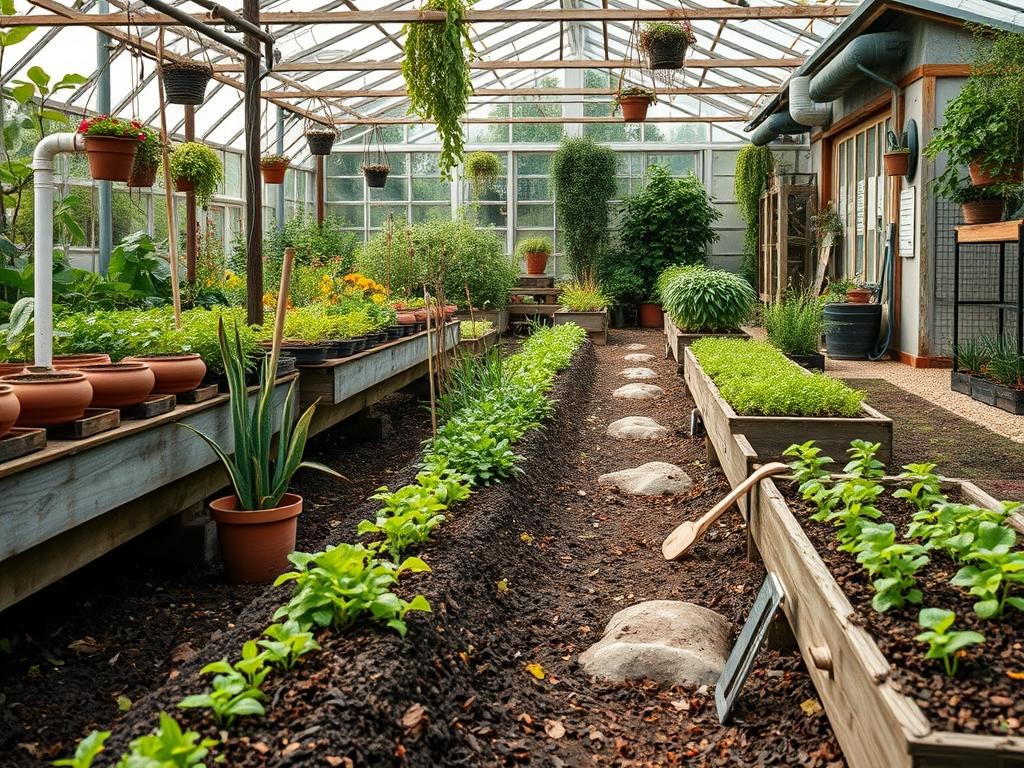
Achieving a high performance landscape requires more than just aesthetic intuition; it demands a deep understanding of the biological foundation that supports every structural element in the design. Professional landscape architects view soil as the primary infrastructure of the site, much like the foundation of a building. When we consider the long term vitality of a garden, the choice of soil amendments becomes a pivotal decision that impacts curb appeal, plant health, and the overall functionality of the outdoor living space. Commercial fertilizers often provide a temporary surge in growth, but a sustainable design relies on the slow release of organic matter. This is why Goat Manure for Gardens has emerged as a preferred nutrient dense choice for designers who prioritize soil structure alongside visual impact. Unlike hotter manures such as poultry or cattle, goat droppings are pelletized by nature, allowing for better aeration and a more controlled release of nitrogen, phosphorus, and potassium. In diverse climates, from the arid southwest to the humid eastern seaboard, this amendment helps buffer the soil against temperature extremes and moisture fluctuations.
The primary landscaping challenge often involves balancing hardscape elements like Pavers and Retaining Walls with softscape areas that must remain lush throughout the growing season. A garden that looks magnificent in June but fails by August lacks the structural integrity required of professional design. By integrating high quality organic matter into the initial planning phases, we ensure that the root systems of Ornamental Grasses and Perennial Shrubs have the biological support to thrive. This approach reduces the need for constant chemical intervention and lowers the long term maintenance costs for the property owner. Curb appeal is not merely a surface level achievement; it is the visible manifestation of a healthy, subterranean ecosystem. When the soil is rich, the foliage is deeper in color, the blooms are more prolific, and the landscape possesses a resilience that cheaper, synthetic alternatives simply cannot replicate.
Landscape Design Principles
Successful landscape architecture relies on the intelligent application of symmetry and visual balance. Designers use focal points, such as a large Specimen Tree or a custom Water Feature, to draw the eye and create a sense of movement across the property. However, the success of these focal points depends on the surrounding elevation layers. By using varied heights, we create depth. This is achieved through the strategic placement of Evergreen Shrubs in the background and lower profile Groundcovers in the foreground. Before any plant is placed in the ground, we must consider the irrigation planning. A well designed landscape should minimize water waste by grouping plants with similar hydration needs into hydrozones. This efficiency is enhanced when the soil is treated with Goat Manure, as the organic matter increases the water holding capacity of the earth, allowing for longer intervals between watering cycles.
Walkways and paths serve as the circulatory system of the garden, guiding guests through different “rooms” of the outdoor space. These paths should be bordered by textures that invite interaction, such as soft Lamb’s Ear or fragrant Lavender. To maintain the crisp lines required for modern or formal designs, professional grade Steel Edging or Stone Borders are essential. These boundaries prevent the encroachment of turf and keep mulch and amendments contained within the planting beds. Visual balance is also maintained through the use of repetition; using the same plant species at regular intervals creates a rhythmic pattern that feels intentional and calming. Elevation changes, such as tiered planters or sunken patios, add a three dimensional quality to the landscape, making small yards feel expansive and large estates feel intimate.
Plant and Material Selection
The following table outlines high performance plant selections that are particularly responsive to the slow release nutrients found in organic soil amendments.
| Plant Type | Sun Exposure | Soil Needs | Water Demand | Growth Speed | Maintenance Level |
| :— | :— | :— | :— | :— | :— |
| Boxwood Shrub | Full Sun to Part Shade | Well Drained, Organic | Moderate | Slow | Low |
| Purple Coneflower | Full Sun | Sandy or Loamy | Low | Medium | Very Low |
| Japanese Maple | Part Shade | Acidic, Rich | Moderate | Medium | Medium |
| Hosta | Full Shade | Moist, Fertilized | High | Fast | Low |
| Little Lime Hydrangea | Part Sun | Nutrient Dense | Moderate | Fast | Medium |
Implementation Strategy
The transition from a design on paper to a physical landscape requires a systematic implementation strategy. The process begins with grading, where the land is sculpted to ensure that water flows away from the home foundation and toward designated drainage areas or subterranean Dry Wells. Once the grade is established, hardscaping elements like Boulders, Benches, and Flagstone Paths are installed. These heavy components provide the “bones” of the garden and must be set before any delicate planting begins.
After the hardscape is in place, we focus on soil preparation. For a standard garden bed, we recommend tilling the existing soil to a depth of 8 inches and incorporating a 2 inch layer of Goat Manure. This creates a nutrient rich transition zone that encourages roots to grow deep rather than circling near the surface. When planting, the hole should be twice as wide as the root ball but no deeper. Once the plants are situated, we apply a 3 inch layer of Hardwood Mulch or Pine Bark. This mulch layer serves multiple purposes: it suppresses weed growth, regulates soil temperature, and slowly breaks down to feed the organisms in the soil. Proper edging at this stage is crucial to prevent the “bleeding” of materials between the lawn and the garden beds.
Common Landscaping Failures
One of the most frequent mistakes in residential landscaping is the failure to account for drainage. If water pools around the root collars of Trees and Shrubs, it leads to root rot and eventual plant death. Another common error is root overcrowding, often caused by planting species too close together in an attempt to make the garden look “full” on day one. A professional designer plans for the “mature width” of a plant, ensuring that there is enough air circulation to prevent fungal diseases.
Soil compaction is another silent killer of beautiful landscapes. Heavy foot traffic or the use of heavy machinery during construction can squeeze the air out of the soil, making it impossible for roots to penetrate or for water to soak in. Correcting this requires core aeration or the aggressive incorporation of organic matter like Goat Manure to restore soil porosity. Finally, irrigation inefficiencies, such as overwatering drought tolerant species or using spray heads that lose water to evaporation, can lead to both high utility bills and poor plant performance.
Seasonal Maintenance
Landscape management is a year round commitment that changes with the seasons. In the spring, the focus is on “awakening” the garden. This involves pruning dead wood from Deciduous Trees, thinning out crowded perennials, and applying a fresh layer of Composted Manure to provide a nitrogen boost for the upcoming growth spurt. It is also the time to inspect the irrigation system for leaks or clogged nozzles.
During the summer, the priority shifts to hydration and pest management. Deep, infrequent watering is better than shallow daily misting, as it encourages roots to seek moisture deeper in the earth where temperatures are cooler. Autumn is the ideal time for “structural” work. This includes planting new Trees and Spring Flowering Bulbs, as the cooler air and warm soil allow for rapid root establishment without the stress of summer heat. In the winter, maintenance involves protecting sensitive species from frost with Burlap Wraps and ensuring that the garden remains tidy by removing fallen debris that could harbor overwintering pests.
Professional Landscaping FAQ
How does goat manure compare to cow or horse manure?
Goat manure is drier and easier to handle, containing higher levels of nitrogen than cattle or horse waste. Its pelletized form provides immediate aeration benefits and is considered a “cool” manure, meaning it is less likely to burn tender plant roots.
Can I apply goat manure directly to my garden beds?
While goat manure is less likely to burn plants than other types, it is still best to use composted or aged manure. This ensures that any weed seeds consumed by the animal are neutralized and the nutrients are more bioavailable for your plants.
What is the best way to prevent soil compaction in high traffic areas?
Install Flagstone Stepping Stones or Decomposed Granite paths to direct foot traffic. In planting beds, avoid stepping on the soil entirely; instead, use temporary Plywood Boards to distribute your weight when performing maintenance or planting new species.
How deep should my landscape edging be installed?
A professional installation typically requires edging to be sunk at least 4 inches into the ground. This depth is necessary to create a physical barrier that prevents the underground rhizomes of grass from creeping into your ornamental garden beds.
Why is native plant selection important for my landscape?
Native Plants are adapted to your specific local climate and soil conditions. They generally require less water, fewer soil amendments, and are more resistant to local pests, making them the cornerstone of a sustainable and low maintenance landscape design.