
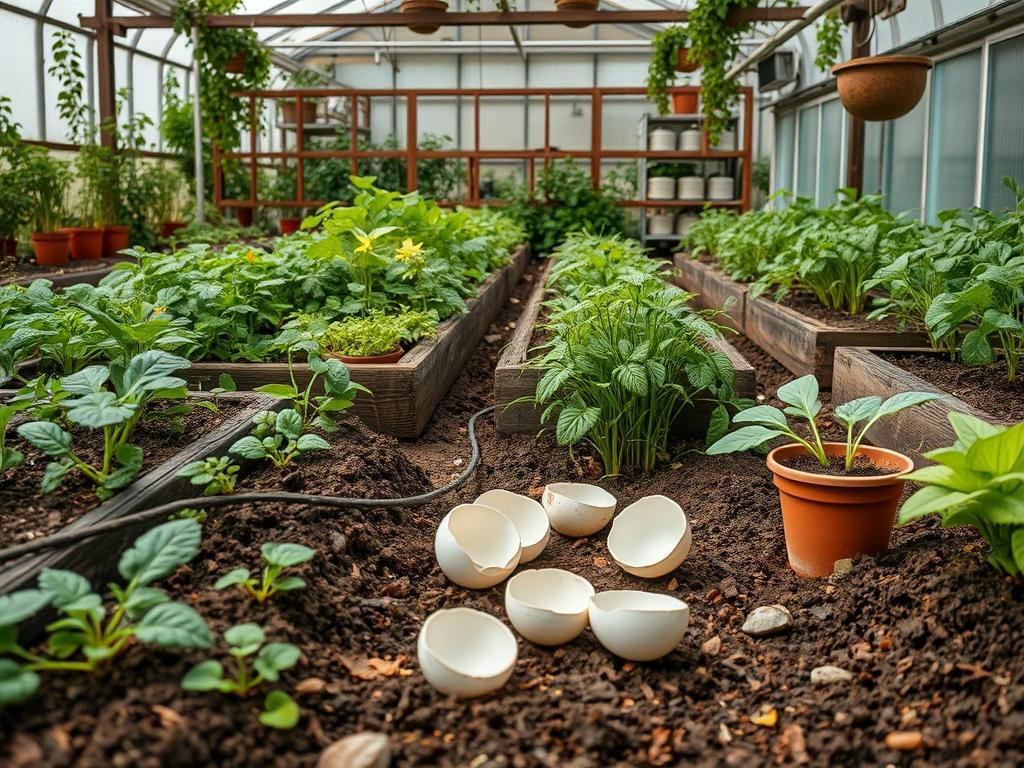
Every masterwork in landscape architecture begins well below the surface of the soil. A lush, symmetrical lawn or a vibrant perennial border depends entirely on the chemical composition and structural integrity of the substrate. In many residential zones, soil becomes depleted of essential minerals, leading to stunted growth, yellowing leaves, and poor structural development in high value specimens. Integrating recycled organic matter, specifically through the process of composting eggshells, provides a sustainable, slow release nutrient source that stabilizes cell walls and prevents common physiological disorders. From a landscaping perspective, the health of the soil directly dictates the curb appeal and longevity of the outdoor environment. Proper soil amendment ensures that the investment made in ornamental grasses, evergreen shrubs, and flowering perennials is protected against environmental stressors.
Strategic landscape planning requires a holistic view of the site, where drainage patterns and soil horizons are as important as the placement of retaining walls or stone walkways. When we discuss composting eggshells, we are addressing a fundamental need for calcium carbonate. Calcium acts as a glue for soil particles, improving the macro-porosity and micro-porosity of the ground. This improved structure allows for better oxygen exchange at the root level and facilitates more efficient irrigation cycles. A landscape that ignores soil chemistry will eventually face uneven growth, creating visual gaps that ruin the symmetry of a formal garden or the layered density of a naturalistic meadow.
Landscape Design Principles
Successful outdoor environments rely on the interplay of symmetry and focal points to guide the eye through the space. Symmetry provides a sense of order and formality; however, it requires uniform plant health to be effective. If one Boxwood in a matched pair suffers from calcium deficiency while the other thrives, the visual balance is destroyed. Utilizing finely ground eggshells as a soil amendment ensures that essential minerals are distributed evenly, supporting the consistent growth rates necessary for formal hedging and mirrored plantings.
Elevation layering is another critical principle. By using plants of varying heights, a designer creates depth and interest. This verticality depends on strong stems and trunk development, which are biologically impossible without sufficient calcium levels during the peak growing season. Furthermore, the integration of hardscaping elements like pavers and landscape timbers must be balanced with soft, healthy foliage. Incorporating composted eggshells into the planting holes for foundation shrubs helps these plants establish deep, sturdy root systems that prevent soil erosion around retaining walls.
Visual balance also concerns the color and texture of the foliage. Plants deficient in minerals often appear chlorotic or exhibit necrotic spots, which draws negative attention to specific areas of the garden. By maintaining a nutrient rich soil profile through consistent organic amendments, the landscape architect ensures that the focal points, such as a large Japanese Maple or a modern sculptural fountain, remain framed by vibrant, healthy greenery.
Plant and Material Selection
| Plant Type | Sun Exposure | Soil Needs | Water Demand | Growth Speed | Maintenance Level |
| :— | :— | :— | :— | :— | :— |
| Tomato (Solanum lycopersicum) | Full Sun | Rich, Calcium Heavy | 1-2 inches per week | Fast | High |
| Rose (Rosa hybrids) | Full Sun | Loamy, Well-drained | 1 inch per week | Moderate | High |
| Hydrangea (Hydrangea macrophylla) | Partial Shade | Moist, Acidic to Neutral | High | Moderate | Medium |
| Lavender (Lavandula) | Full Sun | Gritty, Alkaline | Low | Slow | Low |
| Boxwood (Buxus) | Full to Partial Sun | Well-drained, pH 6.8 | Moderate | Slow | Medium |
| Clematis (Clematis spp.) | Full Sun (Heads up) | Deep, Fertile | Moderate | Fast | Medium |
Implementation Strategy
The implementation of a calcium rich soil strategy begins with the collection and preparation of the raw materials. To maximize the surface area for microbial breakdown, eggshells must be thoroughly cleaned and dried. Rinsing the shells eliminates residual albumen, which could otherwise attract unwanted pests or create unpleasant odors in the compost bin. Once cleaned, the shells should be dried in an oven set to 200 degrees Fahrenheit for approximately 20 minutes. This temperature is sufficient to kill any lingering bacteria without scorching the organic matter.
After drying, the shells require mechanical processing. Using a mortar and pestle or a dedicated electric coffee grinder, the shells should be pulverized into a fine powder. Coarsely crushed shells can take several years to decompose; however, a powder provides immediate interaction with the soil chemistry. For large scale landscaping projects, this powder is then mixed into the top 6 inches of the soil horizon during the initial grading and site preparation phase.
When designing the layout, plan for edging that keeps the enriched soil within the designated planting beds. A mechanical edger can create a clean 3 inch deep trench between the turf and the beds. Inside these beds, apply the ground eggshells alongside high quality compost at a rate of 1 pound per 100 square feet. This should be followed by a layer of hardwood mulch at a depth of 2 to 3 inches to regulate soil temperature and moisture. In areas with poor drainage, consider installing a French drain or adjusting the slope to reach a 2 percent grade away from the home foundation, ensuring that the calcium does not leach away too rapidly during heavy rainfall.
Common Landscaping Failures
One of the most frequent failures in garden planning is the neglect of soil structure, leading to severe soil compaction. Compacted soil prevents roots from expanding and blocks the movement of nutrients. While composting eggshells adds minerals, it must be done in conjunction with aeration to be effective. Relying solely on surface applications without proper incorporation often results in a crust that rejects water, worsening the irrigation efficiency of the entire site.
Another significant error is improper spacing. Designers often plant for immediate impact, forgetting the mature width of the species. This leads to root overcrowding, where plants compete fiercely for the calcium and nitrogen available in the soil. When plants are too close, airflow is restricted, increasing the risk of fungal diseases that thrive on weakened, nutrient deficient foliage.
Furthermore, many homeowners fail to monitor the pH levels of their soil. While eggshells are excellent for buffering acidic soil, over application in already alkaline environments can hinder the uptake of other micronutrients like iron and manganese. A professional soil test kit should be used to establish a baseline before any major amendments are made. Finally, poor drainage planning is a silent killer of landscapes. Waterlogged soil creates anaerobic conditions that prevent the decomposition of organic matter, effectively locking away the calcium you have worked to provide through composting.
Seasonal Maintenance
Landscape management is a year round commitment that shifts with the climate. In the spring, the focus is on revitalizing the beds. As the ground thaws, incorporate the winter stock of ground eggshells into the soil before the first application of pre-emergent herbicide. This is also the ideal time to inspect the irrigation system for leaks or clogged heads to ensure consistent moisture for new growth.
During the summer, the priority shifts to moisture retention and monitoring for stress. High temperatures can cause rapid evaporation, so maintaining a consistent mulch layer is vital. If you notice blossom end rot on ornamental fruiting plants, a liquid calcium spray or a side dressing of powdered eggshells can provide a mid season boost. Ensure that watering occurs in the early morning to minimize fungal growth on the foliage.
Autumn is the season for soil building. As you clear out annuals and prune perennials, top dress the beds with a fresh layer of compost and finely ground eggshells. This allows the minerals to start integrating into the soil over the winter months. It is also the time to plant spring blooming bulbs, which benefit significantly from the presence of calcium during their dormant root development period.
Winter is primarily a time for planning and material collection. Continue to save eggshells from the kitchen, processing them into powder so they are ready for the spring rush. This is also the best time to review the structural elements of the landscape. Check retaining walls for shifting and inspect the bark of deciduous trees for damage. By maintaining a steady cycle of nutrient replenishment and structural monitoring, the landscape remains a high performing asset to the property.
Professional Landscaping FAQ
How long does it take for ground eggshells to benefit plants?
When ground into a fine powder, the calcium becomes bioavailable within a few weeks of moisture contact. Coarsely crushed pieces, however, may take several years to fully break down and release their mineral content into the surrounding soil.
Can I put eggshells directly into the garden without composting?
Yes, but they must be cleaned and ground. Untreated shells can attract rodents and take too long to decompose. For the best landscape results, process them into a powder and work them into the soil at the base of the plants.
Do eggshells help with pest control in a landscape?
While some believe crushed shells deter slugs, their effectiveness is limited. In a professional landscape, the primary value of eggshells is soil enrichment rather than pest management; it is better to rely on targeted biological controls for slugs and snails.
Which plants benefit the most from calcium amendments?
Fruit bearing plants like tomatoes and peppers require high calcium to prevent rot. Additionally, heavy bloomers such as roses, hydrangeas, and clematis utilize calcium to support the structural weight and health of their large, ornamental flowers.
Will eggshells change the pH of my landscape soil?
Eggshells are primarily calcium carbonate, which has a neutralizing effect. They can help raise the pH of acidic soils over time, making them a safe, natural buffer; however, they will not drastically alter the pH like industrial lime would.