
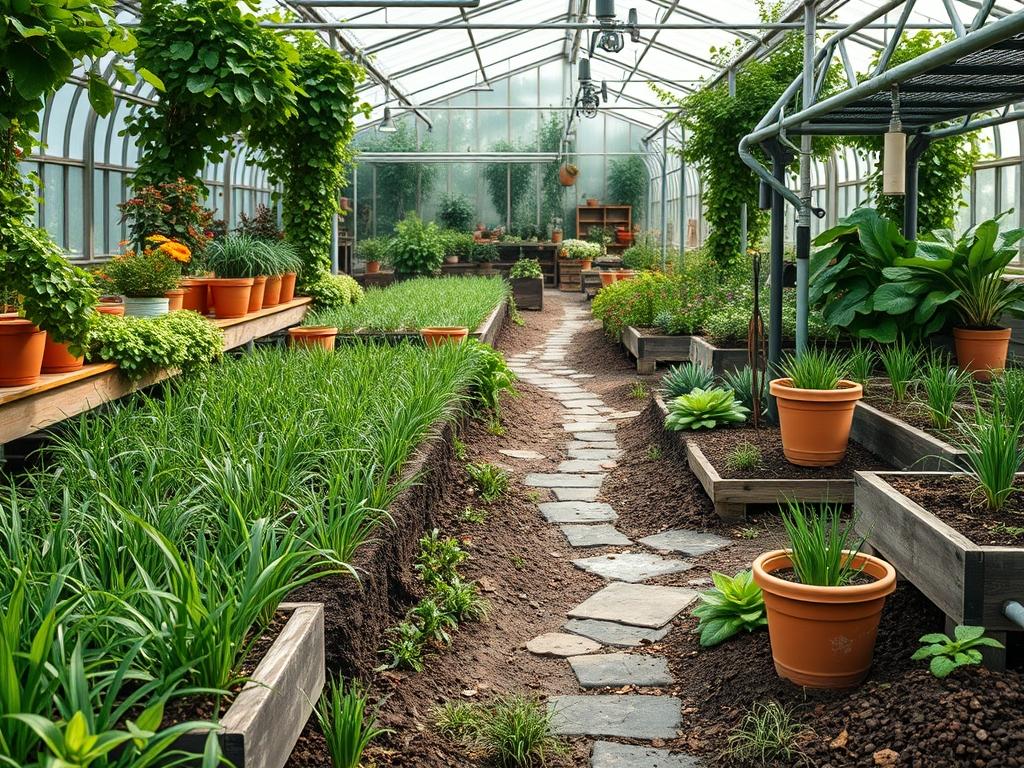
Maintaining a signature landscape requires more than just aesthetic intuition; it demands an understanding of the biological engine beneath the surface. For many property owners, the most significant landscaping challenge is not the selection of exotic flora, but rather the management of soil physics. While curb appeal is often measured by the vibrancy of foliage and the clean lines of hardscaping, the long term functionality of an outdoor environment relies on soil porosity. Over time, foot traffic, heavy machinery, and even natural precipitation lead to a phenomenon known as soil compaction. This process collapses the macropores necessary for oxygen exchange and water infiltration, effectively suffocating the root zones of premium turfgrasses. Core aeration for lawns serves as the primary surgical intervention for this condition, ensuring that the structural integrity of the landscape is supported by a healthy, breathing subterranean ecosystem.
Landscape Design Principles
A successful landscape design treats the lawn as the grounding element of the entire property. It acts as the visual floor that connects disparate architectural features. To achieve a professional balance, designers use symmetry and focal points to guide the eye across the expanse. However, these visual pathways are only effective if the turf remains lush and resilient. We design with elevation layers in mind, placing taller ornamental trees and privacy hedges at the perimeter while maintaining a low-profile, open center. This creates a sense of depth and scale that enhances the home’s facade.
Irrigation planning is another pillar of professional design. We must account for the way water moves across different grades. On sloped areas, water tends to run off before it can penetrate the soil, leading to dry patches. In recessed areas, water may pool and cause root rot. By integrating core aeration into the master plan, we can modify the soil’s absorption rate. When we remove soil cores from the ground, we create a network of vertical channels. These channels facilitate better drainage on slopes and prevent saturation in the lowlands, ensuring the visual balance of the lawn is not disrupted by unsightly brown spots or fungal outbreaks.
Plant and Material Selection
The choice of turfgrass and soil amendments should be dictated by the specific microclimate of the site. In a professional landscape, we often mix species to ensure year-round resilience. The following table outlines standard selections for modern lawn environments.
| Plant Type | Sun Exposure | Soil Needs | Water Demand | Growth Speed | Maintenance Level |
| :— | :— | :— | :— | :— | :— |
| Kentucky Bluegrass | Full Sun | Loamy/Rich | High | Moderate | High |
| Tall Fescue | Full/Partial | Well-Drained | Moderate | Fast | Medium |
| Zoysiagrass | Full/Partial | Sandy/Loamy | Low | Slow | Low |
| Perennial Ryegrass | Full Sun | Rich/Moist | Moderate | Very Fast | High |
| St. Augustine | Full/Partial | Moist/Loamy | High | Moderate | Medium |
In addition to plant life, material selection is vital. We utilize topdressing sand or organic compost following an aeration session to fill the holes. This introduces high-quality organic matter directly into the root zone, improving the soil structure without requiring a full tilling of the property.
Implementation Strategy
The process of improving soil health through core aeration begins with a thorough site analysis. First, we identify any underground utilities, such as irrigation lines, invisible dog fences, or low-voltage lighting cables. These must be marked to avoid damage from the aeration equipment. The soil must be moist but not saturated. If the ground is too dry, the tines will not penetrate to the required depth of 3 to 4 inches; if it is too wet, the machine may damage the soil structure or create messy ruts in the turf.
The actual layout planning involves using a gas-powered core aerator equipped with hollow tines. Unlike spike aerators, which simply push the soil aside and can actually increase compaction, core aerators remove a physical plug of soil approximately 0.5 to 0.75 inches in diameter. We suggest a pattern of overlapping passes to ensure a hole density of roughly 20 to 40 holes per square foot. Once the cores are pulled, they can be left on the surface to decompose, which returns localized nutrients and beneficial microbes to the thatch layer. Within two weeks, the soil plugs will break down, and the visible holes will be filled by new, vigorous root growth.
Following the aeration, the next step involves grading and edging. This is the optimal time for overseeding, as the holes provide the perfect seed-to-soil contact environment. We apply a starter fertilizer and a layer of fine mulch or topdressing to protect the new seedlings. This strategic timing ensures that the lawn recovers quickly and develops a deeper, more drought-resistant root system.
Common Landscaping Failures
The most common failure in modern landscaping is the neglect of the soil’s physical state. Many homeowners focus on nitrogen applications while ignoring the fact that the soil has become as hard as concrete. This leads to irrigation inefficiency. When water cannot penetrate the surface, it evaporates or runs off into the street, wasting resources and increasing water bills. Furthermore, soil compaction often leads to root overcrowding. When roots are forced to stay near the surface to find oxygen, they become highly susceptible to heat stress and winter desiccation.
Another frequent mistake is improper spacing of landscape elements. When shrubs and perennials are planted too closely to the lawn’s edge, they shade the grass and compete for the same limited pool of soil oxygen. If the lawn is not aerated regularly, the larger plants will always win this competition, leading to a thinning lawn edge. We also see many failures regarding drainage. Without proper grading and aeration, water accumulates around the foundations of retaining walls and paver patios. The resulting hydrostatic pressure can cause hardscaped structures to shift, crack, or fail prematurely.
Seasonal Maintenance
Landscape management is a year-round commitment that changes with the thermodynamic shifts of the seasons.
In the spring, the focus is on awakening the landscape. This is a secondary window for aeration if the soil is excessively compacted from winter snow loads. We apply pre-emergent herbicides to prevent weed seeds from germinating in the newly opened aeration holes. We also inspect the irrigation system for leaks and adjust head heights to ensure even coverage across the growing turf.
Summer maintenance centers on stress reduction. We increase the mowing height to 3.5 or 4 inches to shade the soil and reduce evaporation. In high-traffic areas, we monitor for localized compaction and may perform spot aeration if the soil becomes too dense. Irrigation should occur in the early morning hours to allow the foliage to dry, preventing the spread of fungal pathogens.
Autumn is the prime season for core aeration and soil renovation. As the air temperatures drop and the soil remains warm, turfgrasses enter a period of root expansion. We perform heavy aeration during this time, followed by specialized fertilization to build up carbohydrate reserves for the winter. This is also the time to apply organic mulch to garden beds to regulate soil temperature.
Winter maintenance is largely protective. We minimize foot traffic on dormant or frozen turf to prevent crown damage. We also use this time to service equipment, sharpening the mower blades and inspecting the aerator tines for wear. Proper winterization of the irrigation system is mandatory to prevent burst pipes and cracked valves.
Professional Landscaping FAQ
How often should core aeration be performed?
For most residential properties, aerating once per year is sufficient. High-traffic lawns or those with heavy clay soil may require biannual sessions in both spring and autumn to maintain optimal oxygen levels and prevent the soil from becoming overly dense and hydrophobic.
Can I leave the soil plugs on the lawn?
Yes, you should leave the cores on the surface. They contain beneficial microorganisms and nutrients that help break down the thatch layer. Within one to two weeks, the plugs will disintegrate and disappear back into the turf during regular mowing and watering cycles.
Does aeration help with lawn thatch build-up?
Core aeration is the most effective way to manage thatch. By pulling soil to the surface and opening the ground, you introduce air and microbes that accelerate the natural decomposition of organic debris. This prevents a thick, spongy layer from blocking water infiltration.
How soon can I mow after aerating my lawn?
You can mow immediately if the soil cores are dry, but it is often better to wait two or three days. This allows the turf to recover from the mechanical stress of the aerator. Always ensure your mower blades are sharp to avoid tearing.
Should I fertilize immediately after core aeration?
Aeration provides a direct conduit to the root zone, making it the perfect time for fertilization. Applying a balanced nutrient blend or high-quality compost topdressing right after pulling cores ensures the minerals reach the roots where they are most effective for growth.