
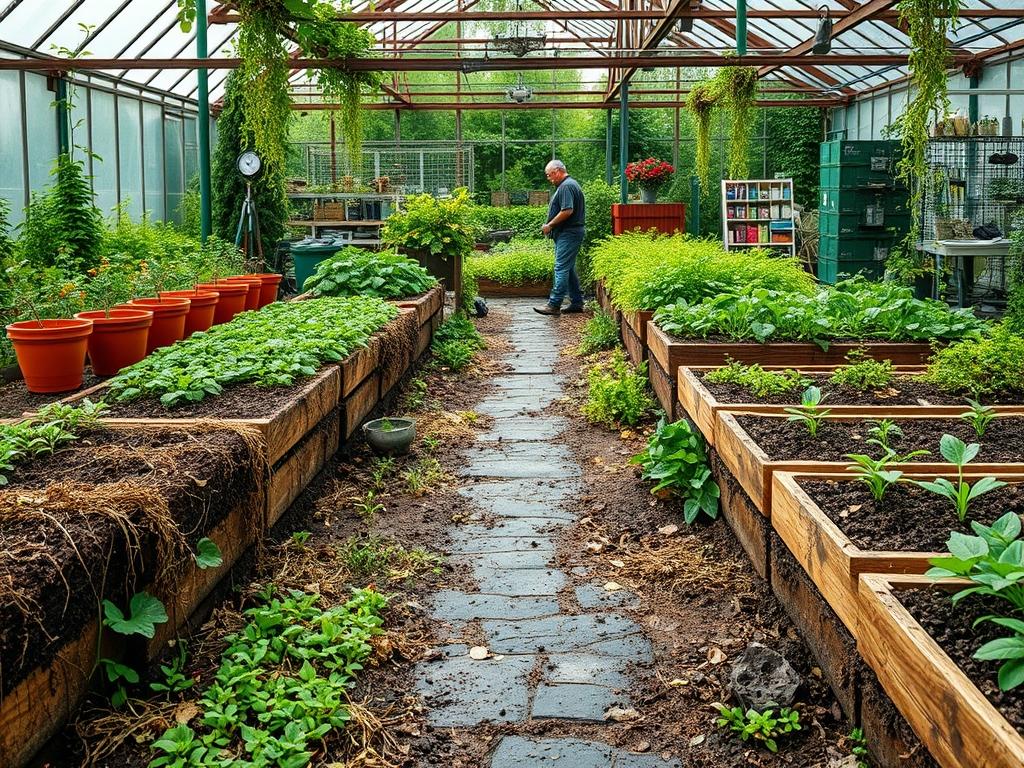
Achieving a pristine outdoor environment requires more than just high-quality plant selection; it demands a strategic approach to soil coverage and weed suppression. Many property owners, in an attempt to embrace a rustic or cost-effective aesthetic, turn to agricultural products like hay for their garden beds. However, as an outdoor environment consultant, I have witnessed how hay mulch weed problems can systematically dismantle the structural and aesthetic integrity of a professionally designed landscape. Unlike processed wood chips or decorative stone, hay is a primary forage product harvested from open fields. This means it is loaded with the seeds of pasture grasses, clover, and noxious weeds that are perfectly adapted to thrive in the exact conditions you have prepared for your ornamental plants. When these seeds germinate, they create a dense, tangled mat of invasive growth that competes with your perennials for nutrients, water, and sunlight.
Beyond the biology of weed infestation, the use of hay mulch impacts the overall curb appeal and functionality of the space. A high-end landscape relies on clean lines, intentional negative space, and a clear distinction between planting zones and turf. Hay mulch tends to look messy and disorganized from the moment it is applied. As it begins to decompose, it transitions from a golden hue to a grey, matted substance that traps moisture against the stems of sensitive plants, often leading to fungal infections or crown rot. In a professional setting, the goal is to create a sustainable ecosystem that minimizes labor while maximizing visual impact. Introducing thousands of weed seeds via hay mulch is the antithesis of this philosophy. To maintain a functional and beautiful garden, one must prioritize materials that stabilize the soil without introducing a lifetime of maintenance headaches.
Landscape Design Principles
Sustainable landscape design is rooted in the concepts of symmetry and visual balance. When we plan a garden bed, we consider the focal points that draw the eye, such as a specimen Japanese Maple or a structural limestone retaining wall. These elements require a clean, uniform ground cover to serve as a visual anchor. If the ground cover is infested with erratic weed growth from hay mulch, the intended symmetry is lost. The eye is no longer drawn to the bold texture of a Hosta or the delicate bloom of a Salvia; instead, it is distracted by the chaotic encroachment of crabgrass and thistle.
Elevation layers also play a critical role in professional planning. We design beds with a “short to tall” hierarchy, ensuring that ground covers transition seamlessly into mid-story shrubs and then into the canopy. Hay mulch complicates this by introducing tall, grassy weeds that can quickly overtop low-growing Sedum or Creeping Thyme. Furthermore, irrigation planning must be integrated into the design phase. Drip irrigation systems, which are highly efficient for water delivery, are often compromised by the dense root systems of weeds. When weed seeds from hay germinate directly over polyethylene tubing, they can shift the emitters or create localized dry spots by intercepting the water before it reaches the target plant’s root zone. Walkways and transition zones also suffer. A clean slate or gravel path loses its definition when hay-borne weeds begin to migrate into the crevices, blurring the lines between the hardscape and the planting bed.
Plant and Material Selection
| Plant Type | Sun Exposure | Soil Needs | Water Demand | Growth Speed | Maintenance Level |
| :— | :— | :— | :— | :— | :— |
| Boxwood Shrub | Full/Partial Sun | Well-drained | Moderate | Slow | Moderate |
| Lavender | Full Sun | Sandy/Gravelly | Low | Medium | Low |
| Daylily | Full/Partial Sun | Adaptable/Loam | Medium | Fast | Low |
| Switchgrass | Full Sun | Diverse/Moist | Low to Medium | Fast | Very Low |
| Coral Bells | Partial Shade | Humus-rich | Medium | Medium | Low |
| Arborvitae | Full Sun | Moist/Rich | Moderate | Medium | Moderate |
Implementation Strategy
The process of establishing a new garden bed begins with proper grading. You must ensure that the soil slopes away from the foundation of the home at a minimum of a two percent grade to prevent water accumulation. Once the site is graded, the layout should be marked using a marking wand and temporary landscaping paint. This allows you to visualize the flow of the beds and the placement of hardscaping elements like paver edging or natural stone borders. Edging is not merely decorative; it serves as a physical barrier that prevents turf grass from creeping into the bed and keeps your mulch of choice from washing away during heavy rain.
After the plants are in the ground, the choice of mulch becomes the final, most important step. Instead of hay, a professional landscape architect will typically specify triple-shredded hardwood mulch or pine bark nuggets. For a standard ornamental bed, a 3-inch depth is the industry gold standard. This depth is sufficient to block light from reaching the soil surface, thereby suppressing the germination of existing weed seeds, without being so thick that it prevents oxygen from reaching the plant roots. Before applying the mulch, ensure that the irrigation lines are pinned down with landscape staples and that any soil amendments like compost or slow-release fertilizer have been tilled into the top 6 inches of the soil. This systematic approach ensures that the ecosystem is self-sustaining and that the plants have every advantage over potential invaders.
Common Landscaping Failures
One of the most frequent failures in residential landscaping is the neglect of proper drainage. When mulch is applied too heavily, or if an inferior product like hay is used, it can create a “sponge effect” that holds excessive moisture around the root flare. This leads to oxygen deprivation and soil compaction. Compaction is a silent killer in the garden; it prevents the macro-pores in the soil from holding the air that roots need to respire. Furthermore, root overcrowding occurs when plants are spaced based on their size at the time of purchase rather than their mature spread. A 3-gallon shrub may look small now, but in five years, it could reach a 4-foot diameter.
Irrigation inefficiencies also rank high among common mistakes. Often, homeowners set their sprinkler controllers to “set and forget” modes, leading to over-watering in the spring and under-watering in the heat of summer. When you introduce hay mulch weed problems into this mix, the weeds benefit more from the improper watering than the ornamental plants do. The aggressive root systems of field weeds are far more efficient at scavenging water than the centralized root balls of newly installed nursery stock. This competition leads to stunted growth and increased susceptibility to pests and diseases, ultimately ruining the investment made in the landscape.
Seasonal Maintenance
Landscape management is a year-round commitment that changes with the tilt of the earth. In the Spring, the focus is on cleanup and preparation. This is the time to remove any debris, prune dead wood with a sharp pair of bypass pruners, and refresh the mulch layer. If hay was mistakenly used the previous year, this is the window where you will see a massive flush of green growth. These weeds must be removed by the root before they set seed for a second generation.
During the Summer, maintenance shifts to water management and monitoring for heat stress. Checking the soil moisture at a 4-inch depth with a soil probe will tell you if your irrigation system is performing adequately. In Autumn, the goal is “putting the garden to bed.” This involves raking leaves that could smother delicate plants and applying a final thin layer of mulch to insulate the roots against the coming freeze. Winter is the season for structural maintenance and planning. While the plants are dormant, you can inspect the retaining walls, fences, and trellises for any signs of wear. It is also the best time to sharpen shovels, loppers, and mower blades to ensure that you are ready for the rapid growth of the following spring.
Professional Landscaping FAQ
Why is hay different from straw for mulching purposes?
Hay is harvested with the seed heads intact, specifically for animal feed. Straw is a byproduct of grain harvesting and consists mostly of stalks. Using hay introduces thousands of seeds into your beds, while straw is relatively seed-free.
How deep should my mulch layer be for weed suppression?
A depth of 3 inches is ideal for most garden applications. This thickness provides enough weight and shade to prevent weed germination while allowing for proper gas exchange between the soil and the atmosphere to keep roots healthy.
What is the best way to fix a weed-infested hay mulch bed?
The most effective method is to manually remove the weeds, including the roots, and then rake away the remaining hay. Apply a layer of cardboard or landscape fabric, followed by 3 inches of high-quality hardwood mulch.
Can I use a weed barrier under my mulch?
Yes, a professional-grade geotextile fabric can help, but it is not a permanent solution. Over time, organic matter breaks down on top of the fabric, creating a new layer of soil where seeds can blow in and germinate.
Will hay mulch change the pH of my soil?
As hay decomposes, it can slightly alter the Nitrogen-to-Carbon ratio of the surface soil. However, the primary issue is not the chemistry, but the physical introduction of invasive species that will dominate the nutrient profile of your garden.