
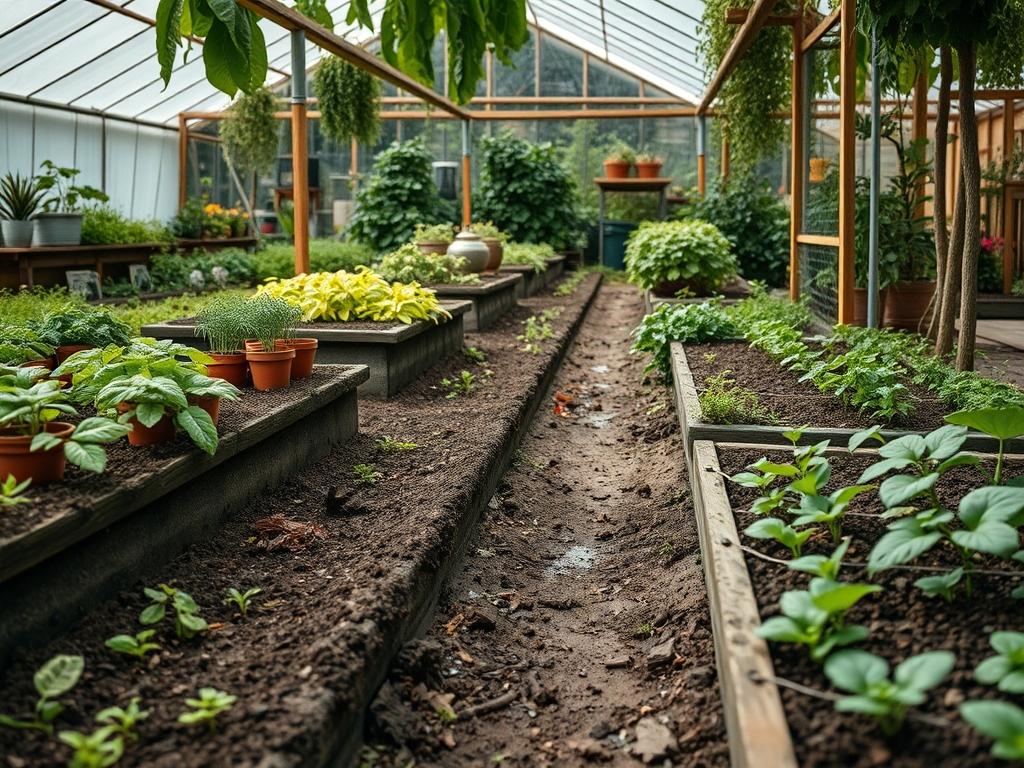
The architectural integrity of a professional landscape begins long before the first shrub is planted. While most homeowners prioritize the visible aesthetic, a Senior Landscape Architect views the earth as a complex subterranean engine. Bio-Dynamic Soil Prep represents the pinnacle of this philosophy, treating the property as a self-sustaining organism rather than a collection of disparate parts. In high-end design, the challenge often lies in reconciling the aesthetic demands of curb appeal with the biological realities of a specific microclimate. Without a rigorous approach to soil vitality, even the most expensive specimens are destined for a cycle of decline and replacement. Professional planning must address drainage, nutrient density, and microbial diversity to bridge the gap between initial installation and long term outdoor functionality.
Modern site preparation requires a shift away from traditional chemical interventions. Instead, we look toward methods that enhance the natural vitality of the earth through rhythmic applications of fermented organic matter and minerals. This approach ensures that the soil structure can support complex root systems while maintaining proper aeration. When we design for functionality, we consider how the land will move water and how the “living soil” will respond to seasonal stressors. By investing in the foundation through Bio-Dynamic Soil Prep, we create a landscape that becomes more resilient over time, reducing the need for intensive irrigation or synthetic fertilizers that can degrade the local ecosystem.
Landscape Design Principles
Symmetry and visual balance serve as the primary framework for any sophisticated outdoor environment. In landscape architecture, we use focal points to guide the eye through the space, creating a sense of intentional movement. These points might be a heritage Oak tree, a custom stone sculpture, or a structural Retaining Wall. However, true balance is not just found in what is visible. Elevation layers play a critical role in how a space feels and functions. By manipulating grade through strategic Grading and the installation of tiered levels, we can define separate “rooms” within a garden while simultaneously managing water runoff.
Irrigation planning must be integrated into the initial design phase, not added as an afterthought. A well-designed system targets specific root zones and accounts for the varied water demands within a single site. This technical accuracy is mirrored in the layout of walkways and hardscaping. Paths should be wide enough for comfortable passage, typically at least 48 inches for primary routes, and constructed from materials that complement the home’s architecture. By blending hard surfaces with soft, lush plantings, we achieve a visual harmony that feels both established and dynamic. The use of repeating textures and colors further unifies the design, ensuring that even a diverse plant palette feels cohesive.
Plant and Material Selection
| Plant Type | Sun Exposure | Soil Needs | Water Demand | Growth Speed | Maintenance Level |
| :— | :— | :— | :— | :— | :— |
| Evergreen Shrub | Full to Partial | Neutral pH | Moderate | Medium | Low |
| Ornamental Grass | Full Sun | Well-drained | Low | Fast | Low |
| Native Perennial | Full Sun | Rich Organic | Low to Med | Fast | Minimal |
| Deciduous Tree | Full Sun | Deep Loam | Moderate | Slow | Moderate |
| Groundcover | Shade | Moist Humus | Moderate | Fast | Low |
| Flowering Hedge | Partial Sun | Loamy Clay | High | Medium | High |
Implementation Strategy
The transition from a blueprint to a living garden requires a disciplined order of operations. We begin with site clearing and rough Grading. This stage is vital for ensuring that water moves away from the foundation of the home and toward designated drainage areas or rain gardens. Once the primary contours are established, we focus on Bio-Dynamic Soil Prep by incorporating high-quality compost and specific preparations, such as Horn Manure (500), which stimulates root growth and microbial activity. Using a Broadfork or similar tool, we aerate the soil to a depth of 12 inches without disrupting the critical fungal networks in the upper layers.
Next, we establish the hardscape “bones” of the garden. This includes the installation of Retoring Walls, pavers, and permanent edging. Steel or stone Edging provides a crisp transition between turf and planting beds, preventing invasive roots from migrating. Once the structure is in place, we move to planting. Each specimen is placed according to its mature spread to avoid future overcrowding. After planting, we apply a layer of organic Mulch at a depth of 3 inches, being careful to keep the material away from the base of trunks and stems. This final layer regulates soil temperature, suppresses weeds, and slowly breaks down to feed the soil biology we worked so hard to establish.
Common Landscaping Failures
The most frequent failure in residential landscapes is improper drainage. When water is allowed to pool near root zones, it creates anaerobic conditions that lead to root rot and the eventual death of high-value trees. This is often caused by a lack of proper Swales or the failure to install a French Drain in low-lying areas. Another common mistake is root overcrowding. It is tempting to plant closely for immediate impact, but failing to account for the mature width of a species leads to stunted growth and increased disease susceptibility.
Soil compaction is a silent killer in many new builds. Heavy machinery used during home construction crushes the soil structure, leaving it as hard as concrete. If a site is not properly remediated using Bio-Dynamic Soil Prep and deep aeration, plants will struggle to survive in the “bathtub” of a planting hole. Furthermore, irrigation inefficiencies, such as overwatering or using spray heads that do not reach the root zone, waste resources and weaken the plants. Finally, many gardeners overlook the importance of soil pH. Planting acid-loving species in highly alkaline soil will lead to nutrient lockout, regardless of how much fertilizer is applied.
Seasonal Maintenance
A bio-dynamic landscape is not a set and forget system; it requires seasonal stewardship to thrive. In the Spring, the focus is on awakening the soil. We apply Compost Tea and refresh any Mulch that has decomposed over the winter. This is also the time for structural pruning of deciduous trees before bud break. As we move into Summer, the priority shifts to water management. We monitor the Drip Irrigation system for leaks and adjust timers to account for increased evaporation. Late summer is also the time to deadhead perennials to encourage a second flush of blooms and maintain a tidy appearance.
Autumn is perhaps the most critical season for long term soil health. We leave fallen leaves in the beds where appropriate or shred them to create a “living mulch” that protects the soil over winter. This is also the ideal window for planting new trees and shrubs, as the cooler air and warm soil promote rapid root establishment. During Winter, we focus on protection and planning. We wrap vulnerable or young evergreens if harsh winds are expected and use the dormant season to inspect the “bones” of the garden. By observing the landscape without its deciduous foliage, we can identify gaps in the design and plan for the coming year’s enhancements.
Professional Landscaping FAQ
What is the primary benefit of Bio-Dynamic Soil Prep?
It creates a self-regulating ecosystem by enhancing microbial life and soil structure. This reduces the need for external inputs like chemical fertilizers and intensive irrigation, leading to a more resilient, low-maintenance landscape that improves in health each year.
How deep should my planting beds be?
For most perennials and shrubs, aim for a soil depth of at least 12 to 18 inches of prepared, non-compacted earth. Larger trees require a wider area of prepared soil rather than just a deep hole to encourage lateral root stability.
Why is my drainage not working after a heavy rain?
You likely have subsurface compaction or a “perched water table.” High clay content or construction debris can trap water. Installing a French Drain or incorporating organic matter through deep aeration can help restore proper water percolation and movement.
When is the best time to install new hardscaping?
Late autumn or early spring is ideal. The ground is typically workable, and the surrounding plants are dormant or less active. This minimizes stress on the existing root systems of your “focal point” species during the construction process.
Can I use bio-dynamic methods in a small urban space?
Absolutely. Bio-dynamic principles are scalable. Even in small raised beds or containers, using fermented preparations and high-quality compost will significantly improve plant health, flavor for edibles, and the overall longevity of your decorative urban greenery.