
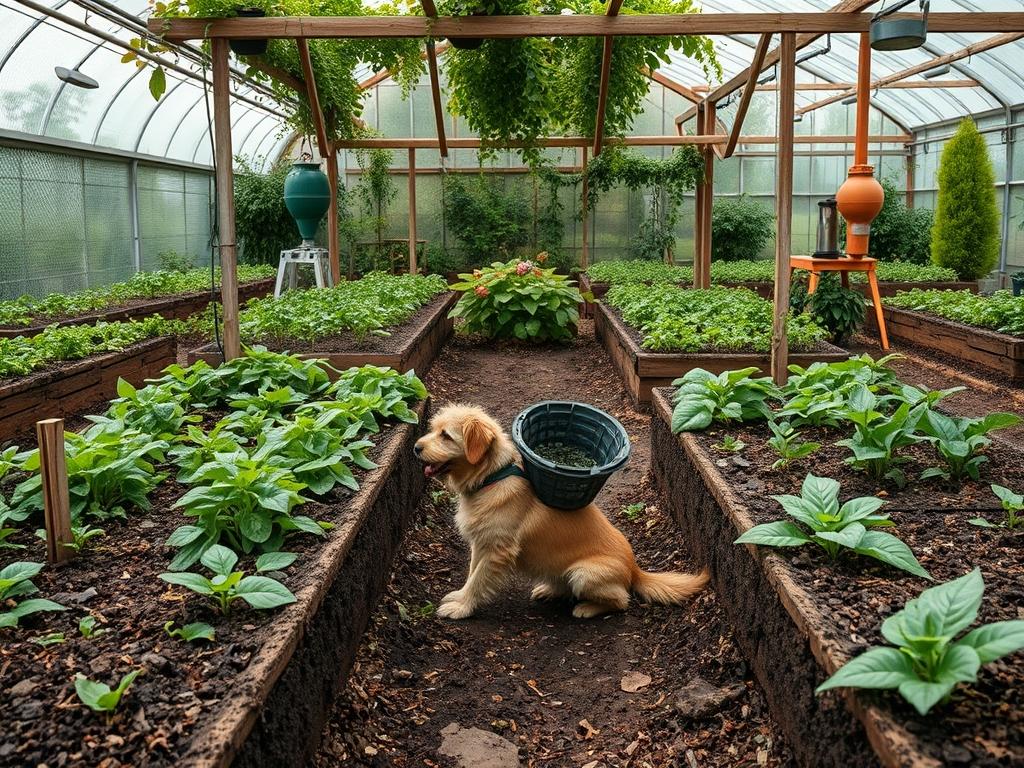
Integrating pet management into a high-end landscape design requires a sophisticated understanding of both aesthetics and site engineering. For many homeowners, the presence of a dog introduces a significant maintenance challenge that often conflicts with the goal of creating a pristine outdoor environment. Traditionally, pet waste is treated as a refuse item, bagged and sent to a landfill. However, the rise of sustainable landscaping has brought the concept of composting dog waste into the spotlight. When executed with professional rigor, this process transforms a biological liability into a nutrient-dense resource for ornamental plantings. The primary objective is to maintain exceptional curb appeal while establishing a closed-loop system that supports the health of the soil. This practice is not without its complexities, as it demands a strict separation between edible gardens and decorative beds to ensure that pathogens do not enter the human food chain. Successful integration relies on careful planning of drainage, the selection of hardy species, and a commitment to maintaining the internal temperatures necessary for proper decomposition.
Landscape Design Principles
In professional landscape architecture, every element of the property must contribute to a sense of visual balance and functional harmony. Incorporating a dedicated waste processing zone requires careful attention to symmetry and the use of focal points to draw the eye away from utility areas. Designers often utilize elevation layers to achieve this, placing composting systems on a lower tier or behind a secondary Retaining wall to ensure they remain invisible from the primary viewing angles of the patio or deck. This strategic placement prevents any aesthetic “noise” from disrupting the tranquil atmosphere of the outdoor living space.
Walkways and circulation paths must be planned with the daily routine of the pet and owner in mind. A well-placed path made of Decomposed granite or Flagstone can lead directly to the disposal site, preventing the compaction of turf and keeping the transition between zones clean. Visual balance is further maintained by surrounding the utility area with a dense evergreen screen, such as a row of Boxwood or Arborvitae. These plants act as a living fence, masking the functional site while providing a lush backdrop for more vibrant ornamentals. Furthermore, the irrigation planning for these areas must be isolated. To prevent potential runoff into recreational lawns, designers often implement a subsurface Drip irrigation system that delivers water directly to the root zones of the ornamentals being fed by the compost, rather than using overhead sprays that could facilitate the spread of bacteria.
Plant and Material Selection
| Plant Type | Sun Exposure | Soil Needs | Water Demand | Growth Speed | Maintenance Level |
| :— | :— | :— | :— | :— | :— |
| Boxwood (Buxus) | Full Sun to Part Shade | Well-Drained, Loamy | Moderate | Slow | Medium |
| Forsythia | Full Sun | Adaptable/Tolerant | Moderate | Fast | Low |
| Miscanthus (Ornamental Grass)| Full Sun | Moist but Well-Drained | Low to Moderate | Fast | Low |
| Oakleaf Hydrangea | Part Shade | Rich, Organic Matter | Moderate | Moderate | Medium |
| Japanese Maple | Part Shade | Slightly Acidic, Rich | Moderate | Slow | High |
| Common Lilac | Full Sun | Neutral to Alkaline | Moderate | Moderate | Medium |
Implementation Strategy
The process begins with an accurate site survey to identify the ideal location for a dog waste digester or a specialized compost bin. This site must be at least 10 feet away from any vegetable garden and at least 50 feet from any open water source or wellhead to prevent contamination. The first physical step is grading the area. You must ensure the ground slopes away from the home and any high-traffic zones. Using a Garden spade, excavate a pit approximately 3 feet deep and 2 feet wide for a subsurface system. Alternatively, a tiered bin system can be constructed above ground using Pressure-treated lumber or recycled plastic.
Once the structure is in place, drainage becomes the primary focus. A layer of 3 inches of Coarse gravel at the base of a pit system allows for steady percolation. For aeration, install a 2-inch PVC pipe with perforated holes into the center of the pile. This ensures that oxygen reaches the aerobic bacteria responsible for breaking down the waste. When adding material, use a carbon-to-nitrogen ratio of approximately two parts carbon, such as Sawdust or Dried leaves, to one part waste. This balance is critical to prevent odors. Cover the surface with a 4-inch layer of Cedar mulch to retain heat and suppress any potential smells. The goal is to reach an internal temperature of 145 degrees Fahrenheit to effectively neutralize pathogens like roundworms and E. coli.
Common Landscaping Failures
The most frequent mistake in managing organic waste within a landscape is poor drainage planning. If a compost site is located at a low point in the yard, heavy rains can cause it to become anaerobic, leading to foul odors and the leaching of pathogens into the surrounding soil. This is often exacerbated by soil compaction. High-clay soils or areas that have been heavily trafficked by machinery often lack the pore space necessary for liquid movement. Without proper aeration, the composting process stalls, creating a biological hazard rather than a soil amendment.
Another significant failure involves root overcrowding and improper spacing. Homeowners often plant ornamentals too close to the compost source, hoping for rapid growth through high nitrogen availability. However, the concentrated nutrients can actually burn the roots of young Japanese Maples or sensitive Boxwoods if the material is not fully cured. Furthermore, neglecting the irrigation layout can lead to disaster. If the waste zone is integrated into the same zone as a swimming pool or a children’s play area, the risk of cross-contamination during a heavy storm is high. Professionals avoid this by using French drains or bioswales to redirect surface runoff away from sensitive areas, ensuring the system remains self-contained.
Seasonal Maintenance
Landscape management shifts with the transition of the seasons, and a dog waste compost system requires consistent oversight to remain effective. In the spring, the primary task is turning the pile with a Manure fork to restart the microbial activity that may have slowed during the colder months. This is also the time to test the soil around your ornamentals. High levels of Nitrogen and Phosphorus from the compost are beneficial for the lush green growth of the early season, but you must ensure the pH levels remain balanced. If the soil becomes too acidic, a light application of Garden lime may be necessary.
During the summer, moisture management is the priority. The compost pile must remain as damp as a wrung-out sponge to keep the bacteria alive. In periods of extreme heat, the pile can dry out, halting the decomposition process. Conversely, in the autumn, you should focus on adding carbon-rich materials like fallen leaves to balance the surplus of nitrogen. This preparation helps maintain a steady internal temperature as the outdoor air cools. Throughout the winter, in climates where the ground freezes, the composting process will naturally go dormant. During this period, it is helpful to insulate the pile with a thick layer of Straw or a specialized Insulating blanket to preserve as much latent heat as possible. Regular monitoring with a Digital compost thermometer is recommended year-round to ensure the system is reaching the necessary heat thresholds for safety.
Professional Landscaping FAQ
Is it safe to use dog waste compost on flowers?
Yes, provided the compost has reached a temperature of 145 degrees Fahrenheit for several days. This heat kills most pathogens. Ensure the finished product is only applied to non-edible ornamentals to maintain a safe barrier between waste and food.
How do I prevent the compost from smelling?
Proper aeration and moisture control are essential. Use a Compost turner to introduce oxygen and maintain a high carbon-to-nitrogen ratio. Adding materials like Peat moss or Pine bark helps absorb odors and facilitates aerobic decomposition.
Can I put dog waste in a regular compost bin?
It is not recommended. Dog waste should be managed in a dedicated, separate system. Mixing it with general yard waste increases the risk of spreading parasites to other areas of the garden where you might be growing vegetables or fruit.
What tools are best for managing this process?
You will need a Long-stemmed thermometer, a Dedicated pitchfork, and an Aerator tool. For subsurface systems, an Auger is useful for creating deep holes that facilitate drainage and microbial movement through different layers of the soil profile.
How long does it take for the waste to break down?
In a well-managed system, the process takes approximately 6 to 12 months. The rate depends on the climate, the volume of material, and how frequently the pile is turned. Colder climates will require the longer end of this timeframe.