
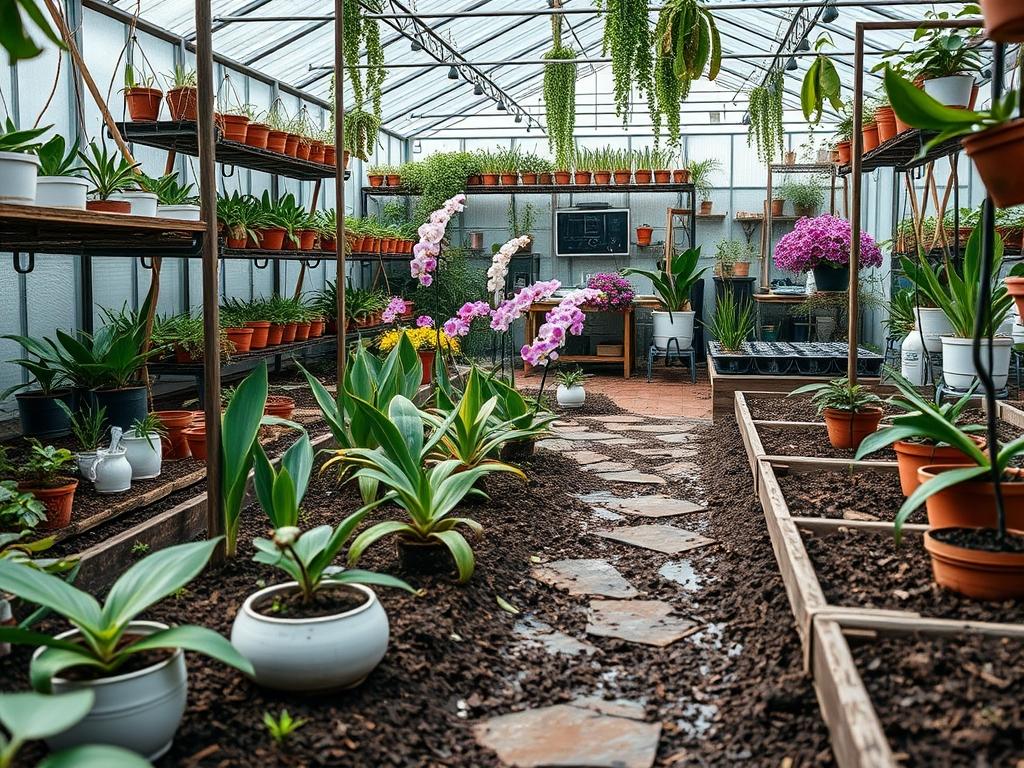
Integrating orchids into a professional landscape design presents a unique architectural challenge. These plants are often perceived as delicate indoor specimens, yet they offer unparalleled structural beauty and luxury when utilized in outdoor living environments. For a landscape architect, the primary hurdle involves recreating a microclimate that balances humidity, shade, and ventilation. When we discuss curb appeal or outdoor functionality, we are essentially looking at how these botanical elements interact with the hardscaping and the existing canopy. Orchids provide vertical interest that traditional ground-cover plants cannot match, but their success depends entirely on the substrate. Finding the best soil for orchids is not about purchasing a standard bag of potting mix; it is about engineering a medium that mimics their natural epiphytic or lithophytic habitats. In regions with temperate or tropical climates, these plants can transform a standard backyard into a sophisticated botanical retreat, provided the drainage and elevation are managed with precision.
Landscape Design Principles
Successful landscape architecture relies on the interplay of symmetry and focal points. When incorporating orchids, we often use them as living architectural accents on cedar mounting boards or within tiered stone planters. By placing orchids at eye level or higher, we create elevation layers that draw the gaze upward, making a small patio or courtyard feel significantly more expansive. This verticality is a core principle of modern garden planning.
Visual balance is achieved by pairing the intricate, often chaotic growth patterns of orchid roots with the clean lines of modular pavers or low-profile retaining walls. We must also consider the irrigation planning early in the design phase. Orchids do not thrive in traditional high-volume sprinkler zones. Instead, we integrate micro-mister arrays that deliver a fine fog, maintaining ambient humidity without saturating the roots. This approach ensures that the “curb appeal” remains high year-round, as healthy foliage is just as vital as the seasonal blooms.
Walkways should be designed to lead the visitor through these scent-heavy zones. Using natural slate or pea gravel as a base under orchid-laden trees helps with secondary drainage. This prevents the “swamp effect” that occurs when excess water pools around the base of the landscape. By treating orchids as structural components rather than mere decorations, the consultant creates a permanent, evolving outdoor environment.
Plant and Material Selection
Choosing the right species is only half the battle; selecting the appropriate substrate is the other. The best soil for orchids is typically a medium that provides maximum surface area for oxygen exchange while retaining just enough moisture to sustain the plant between watering cycles.
| Plant Type | Sun Exposure | Soil Needs | Water Demand | Growth Speed | Maintenance Level |
| :— | :— | :— | :— | :— | :— |
| Cattleya | Dappled Light | Large Grade Fir Bark | Moderate | Slow | Medium |
| Vanda | High / Direct | None (Air Roots) | High Mist | Fast | High |
| Cymbidium | Full to Partial | Fine Bark / Loam Mix | Consistently Moist | Medium | Low |
| Dendrobium | Bright / Indirect | Medium Bark / Perlite | Periodic Drying | Fast | Medium |
| Oncidium | Medium | Sphagnum / Fine Bark | High Humidity | Medium | Medium |
For these selections, the “soil” is often a combination of horticultural charcoal, perlite, and expanded clay pebbles. These materials ensure that the roots never sit in stagnant water, which is the primary cause of plant failure in professional landscapes.
Implementation Strategy
The implementation of an orchid-centric landscape begins with site grading. We want to ensure that all runoff moves away from the primary viewing areas and into French drains or specialized bioswales. Once the site is graded, we define the “vertical footprint.” This involves selecting host trees, such as Live Oaks or Palm species, that have non-peeling bark to provide a stable anchor for epiphytes.
If we are building a backyard layout from scratch, we start with the hardscaping. Pressure-treated timber or natural stone is used to create edging that defines the garden beds. Within these beds, we do not plant orchids directly in the ground unless they are terrestrial species like Spathoglottis. Instead, we use decorative terracotta pots or wire baskets filled with New Zealand Sphagnum Moss.
The mulch depth in the surrounding garden beds should be maintained at a consistent 3 inches. This helps regulate the local ground temperature, which in turn stabilizes the microclimate for the orchids positioned above. We often install low-voltage LED path lights to highlight the unique flower structures at night, adding a layer of functionality to the outdoor living space.
Common Landscaping Failures
The most frequent mistake in orchid landscaping is using a substrate that is too dense. Many amateur gardeners assume the best soil for orchids is black peat or garden soil. In reality, this suffocates the roots within weeks. Airflow is the single most critical factor; without it, fungal pathogens thrive. We solve this by ensuring the medium consists of at least 60 percent coarse aggregate.
Another failure is improper spacing. When plants are crowded, air cannot circulate, and humidity pockets become breeding grounds for scale and mealybugs. We recommend a minimum spacing of 18 inches between orchid containers to allow for wind movement. Soil compaction in secondary plants, like ferns or bromeliads used as fillers, can also inhibit the overall drainage of the site. If the ground soil becomes a hardpan, even the orchids in baskets will suffer from the rising fungal spores produced in the stagnant earth below.
Finally, irrigation inefficiencies are a major hurdle. Over-indexing on automated timers without rain sensors results in root rot during the monsoon or rainy seasons. A professional landscape should always include a smart irrigation controller paired with soil moisture sensors in the ground-level beds to ensure the system only fires when the specific micro-environment requires it.
Seasonal Maintenance
Landscape management is a four-season commitment. In the spring, the focus is on “un-mounting” any orchids that have outgrown their space. We use pruning shears sanitized with isopropyl alcohol to divide large clumps. This is also the time to refresh the fir bark or coconut husk chunks in all containers, as these organic materials break down over time and lose their aeration properties.
Summer maintenance is dominated by hydration. As heat indexes rise, the evaporation rate from tree fern fiber increases. Deep watering should occur in the early morning hours, around 6:00 AM, to allow the foliage to dry before the sun reaches its peak intensity. This prevents leaf scald and crown rot.
Autumn brings a shift in nutrient requirements. We transition to a “bloom booster” fertilizer with higher phosphorus levels. We also check the integrity of nylon stockings or fishing line used to secure orchids to trees, ensuring the plants have established enough “velamen” (the white root coating) to hold themselves up against winter winds.
In winter, the focus shifts to protection. In areas where temperatures drop below 50 degrees Fahrenheit, we employ frost blankets or move portable containers into a polycarbonate greenhouse or sheltered porch. Drainage remains critical even in dormancy; cold, wet roots are more lethal than cold, dry roots. We reduce the irrigation frequency by roughly 50 percent during these months.
Professional Landscaping FAQ
What is specifically the best soil for orchids in an outdoor garden?
Most orchids require a non-soil medium consisting of coarse pine bark, charcoal, and perlite. This combination provides the essential airflow and rapid drainage necessary to prevent root rot in high-humidity outdoor environments.
How do I ensure proper airflow for orchids mounted on trees?
Position orchids on the side of the tree that receives the prevailing breeze. Avoid placing them in deep “crotches” of the tree where air stagnates. Use mesh baskets to allow wind to reach the root system directly.
Can I use regular garden mulch around my orchid display?
Yes, you can use shredded hardwood mulch or pine needles for the surrounding landscape beds. However, keep the mulch away from the orchid roots themselves. Use lava rock or expanded clay immediately around the orchid base.
What tools are essential for maintaining a vertical orchid landscape?
A high-quality telescoping pole saw is necessary for trimming overhanging branches that provide too much shade. You also need stainless steel snips, a pressure sprayer for fertilization, and heavy-duty plant ties for securing new growth.
How does elevation affect orchid health in a backyard setting?
Orchids placed higher in the canopy or on retaining walls benefit from better air circulation and protection from ground-dwelling pests. However, higher elevations dry out faster, requiring more frequent monitoring of the sphagnum moss moisture levels.