
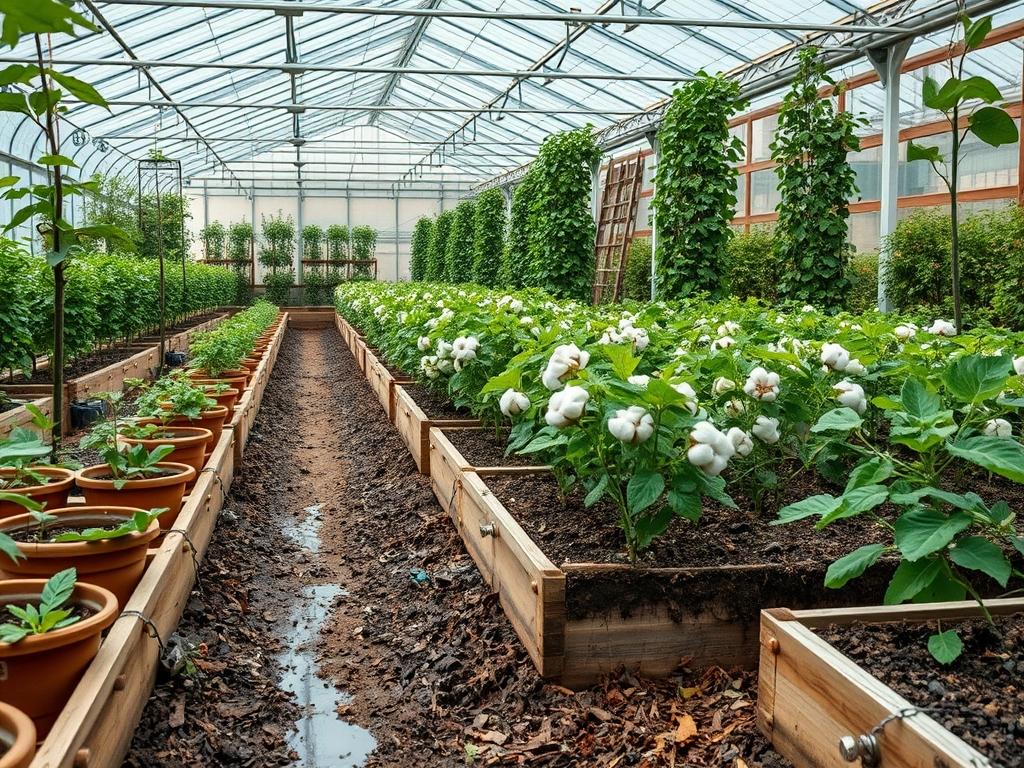
Achieving a high-end landscape requires more than just geometric precision or expensive hardscaping. It requires a deep understanding of soil chemistry and nutrient delivery systems. In many high-end residential designs, we rely on acid-loving species to provide the deep greens and vibrant blooms that define sophisticated curb appeal. However, managing the pH and nitrogen requirements of these specific cultivars often presents a recurring challenge for homeowners and property managers alike. If the soil profile drifts too far toward alkalinity, these plants suffer from chlorosis, stunted growth, and a lack of vigor. Integrating Cottonseed Meal into your nutritional program offers a slow-release, organic solution that stabilizes the environment while improving the overall texture of the soil. This byproduct of the cotton industry serves as a crucial tool for the landscape architect, ensuring that the botanical elements of the design remain as resilient as the stone and timber structures surrounding them.
Landscape Design Principles
When planning a garden that features acid-loving plants, the principle of visual balance must be married to the site’s biological capacity. Symmetry often plays a role in formal entryways where Japanese Pieris or Boxwoods flank a central walkway. To maintain this symmetry over several years, the soil conditions on both sides of the path must be identical. Using an organic acidifier like Cottonseed Meal ensures a consistent, slow feed that prevents one side of the design from outgrowing or out-shining the other. This consistency is the hallmark of professional-grade estate management.
Focal points are another vital consideration. A large, weeping Japanese Maple or a cluster of Encore Azaleas can serve as an anchor for a backyard retreat. These focal points require precise elevation layers to ensure they remain the center of attention. Typically, we design with the tallest specimens in the rear, such as Camellias, and terrace down to low-lying groundcovers. This layering creates depth and highlights the varying textures of the foliage. Proper irrigation planning is equally important; acid-loving plants often require consistent moisture but cannot tolerate standing water. Therefore, the design must incorporate a slight gradient or subterranean drainage system to move excess liquid away from the root zones while the organic matter in the Cottonseed Meal helps the soil retain just enough hydration for the plant’s metabolic needs.
Plant and Material Selection
The following table outlines high-performance acid-loving plants that thrive when supplemented with organic acidifying fertilizers.
| Plant Type | Sun Exposure | Soil Needs | Water Demand | Growth Speed | Maintenance Level |
| :— | :— | :— | :— | :— | :— |
| Azalea | Partial Shade | Acidic, Well-Drained | Moderate | Medium | Moderate |
| Rhododendron | Dappled Sun | Rich, Organic | High | Slow | High |
| Blueberry | Full Sun | Very Acidic (pH 4.5) | Regular | Medium | Low |
| Gardenia | Full Sun/Part Shade | Moist, Humus-Rich | Consistent | Medium | High |
| Japanese Pieris | Part Shade | Acidic, Cool | Moderate | Slow | Low |
| Mountain Laurel | Part Shade | Cool, Moist | Moderate | Slow | Moderate |
When selecting materials, the choice of mulch and soil amendments is just as critical as the plants themselves. For acidic beds, we prefer Pine Bark Mulch or Pine Needles, as these materials naturally lower the pH as they decompose. To provide the necessary nitrogen without the risk of salt buildup found in synthetic fertilizers, Cottonseed Meal is the preferred choice. It typically carries an N-P-K ratio of approximately 6-2-1, providing a balanced but nitrogen-forward profile that encourages lush, dark green leaf development.
Implementation Strategy
The successful installation of a new landscape bed begins with grading. You must ensure that the soil slopes away from the home’s foundation at a rate of at least two inches per every ten feet. Once the grade is established, the soil profile must be addressed. For a new 100 square foot bed, we recommend incorporating five to ten pounds of Cottonseed Meal into the top six inches of the soil. This initial amendment breaks down over time, providing a steady supply of nutrients as the new specimens establish their root systems.
Edging provides the clean lines necessary for high-end curb appeal. We often utilize Steel Edging or Belgium Block to define the transition between the turf and the planting beds. This physical barrier prevents grass from encroaching on the acid-loving plants and keeps the specialized soil amendments contained. When planting, the Root Ball of each specimen should sit slightly higher than the surrounding soil level, perhaps one inch above the grade. This prevents “settling” which can lead to crown rot. After the plants are in the ground, apply a three-inch layer of mulch. This layer suppresses weeds, regulates soil temperature, and provides a secondary source of organic matter. If you are using a Rotary Spreader to apply the meal across a large area, ensure you calibrate the device to prevent over-application in sensitive zones near walkways or water features.
Common Landscaping Failures
One of the most frequent errors in garden planning is the neglect of drainage. Even the highest quality Cottonseed Meal cannot save a Rhododendron sitting in stagnant water. Poor drainage leads to root asphyxiation and the development of fungal pathogens. Another frequent mistake is root overcrowding. Designers often want an “instant” full look and plant specimens too close together. Over time, these plants compete for the same nutrients and airflow, leading to a decline in health. You must respect the mature width of the species, often spacing Azaleas at least three to four feet apart to allow for long-term growth.
Soil compaction is a “silent killer” in residential landscapes. Heavy foot traffic or the use of heavy machinery during construction crushes the air pockets in the soil. Without these pockets, oxygen cannot reach the roots, and the beneficial microbes that break down Cottonseed Meal cannot survive. Finally, irrigation inefficiencies—such as using high-alkalinity well water—can slowly raise the soil pH. Even if you apply acidic fertilizers, the constant influx of alkaline water will neutralize your efforts, leading to stunted plants and yellowing leaves.
Seasonal Maintenance
Landscape management is a year-round commitment. In the spring, your priority is growth stimulation. This is the ideal time to apply a fresh round of Cottonseed Meal at a rate of one pound per 100 square feet. During this season, you should also prune any deadwood from the winter and check your irrigation timers to ensure they are functioning properly as temperatures rise.
Summer maintenance focuses on moisture retention. As the heat intensifies, monitor your Gardenias and Azaleas for signs of wilt. Heat stress can be mitigated by ensuring the mulch layer remains at the proper three-inch depth. Do not over-fertilize in the peak of summer, as this can encourage tender new growth that may scorch in the sun.
Autumn is the season for preparation. Apply a lighter application of meal to help the plants store energy in their root systems before dormancy. This is also the best time to plant new acid-loving shrubs, as the cooler air and warm soil permit faster root establishment. Finally, in winter, focus on protection. In colder climates, an application of Antidessicant Spray can help evergreen acid-lovers like Mountain Laurel retain moisture when the ground is frozen. Clean your Pruning Shears and Spades with a solution of bleach and water to prevent the transfer of pathogens between seasons.
Professional Landscaping FAQ
What exactly is Cottonseed Meal?
It is a slow-release organic fertilizer created from the remains of cotton seeds after the oil is extracted. It is highly valued for its ability to naturally acidify the soil while providing a steady supply of nitrogen, phosphorus, and potassium.
How often should I apply it to my Azaleas?
For most residential landscapes, twice a year is sufficient. Apply in early spring before the first bloom cycle and again in early autumn to support root health. Always water the area thoroughly after application to activate the nutrient breakdown.
Will Cottonseed Meal burn my plant’s roots?
Unlike synthetic high-nitrogen fertilizers, this organic meal releases nutrients slowly as it decomposes. This process makes it exceptionally safe for sensitive species. It is very unlikely to cause root burn when applied at the recommended residential rates.
Can it be used on plants that are not acid-loving?
While it is specifically beneficial for acid-loving species, it is a safe organic fertilizer for most garden beds. However, if your soil is already very acidic and you are growing alkaline-preferring plants, you should monitor the pH levels carefully.
Does it improve soil structure or just provide nutrients?
It does both. Because it is an organic material, it increases the humus content of the soil. This improves the cation exchange capacity, enhances water retention in sandy soils, and increases aeration in heavy clay soil profiles.