
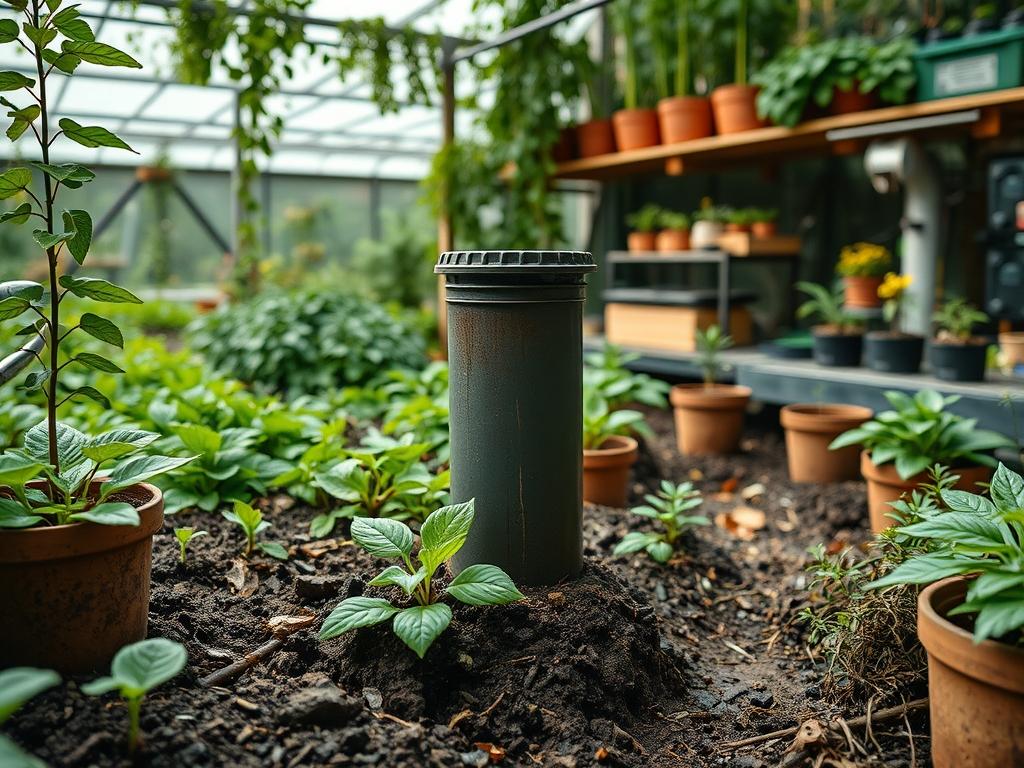
Standing water in a residential landscape is more than a simple nuisance; it is a structural and ecological threat that can compromise the foundation of a home and the health of its vegetation. When a backyard remains saturated for days after a heavy rainstorm, it indicates a failure in natural percolation or a grading deficit that traps runoff. As a landscape architect, I view these soggy patches as opportunities to re-engineer the environment for better functionality and curb appeal. Effective management involves moving water away from structures and high traffic areas through the strategic use of subterranean systems. By integrating specific soil drainage pipe tips into your broader master plan, you can transform a swampy liability into a dry, usable outdoor living space that thrives regardless of the season.
The primary goal of any drainage project is to protect the investment you have made in your hardscaping and softscaping. Excessive moisture leads to soil compaction, which chokes off oxygen from plant roots, and it can cause patio pavers to shift or heave during freeze-thaw cycles. In regions with heavy clay soils or high annual rainfall, a standard surface slope of two percent is rarely enough. You must look below the surface to provide a clear path for excess volume. This process requires a blend of civil engineering and aesthetic sensitivity, ensuring that the necessary infrastructure, such as catch basins and outlet pipes, disappears into the overall design of the garden.
Landscape Design Principles
A successful landscape design balances aesthetic harmony with technical performance. When addressing a yard with chronic moisture issues, we must first look at symmetry and focal points to distract the eye from utilitarian elements. Symmetry does not necessarily mean a mirror image, but rather a balanced distribution of visual weight. For instance, if a large catch basin is required in a low point on the left side of the yard, we might balance it on the right with a decorative boulder or a cluster of moisture-loving shrubs. This ensures the eye travels across the landscape rather than fixating on the functional components.
Elevation layers play a critical role in how we perceive and manage water. We often use tiered retaining walls or subtle berms to direct surface runoff toward specific collection points. In your irrigation planning, these elevation changes allow for gravity-fed systems that reduce the need for expensive sump pumps. Furthermore, walking paths and walkways should be designed with a cross-slope or permeable materials to prevent puddling. Visual balance is maintained by ensuring that the hardscaping elements, such as flagstone or paver stones, match the scale of the surrounding foliage. A massive drainage grate in a tiny courtyard looks out of place, so we often hide these behind low-growing groundcovers or ornamental grasses.
Plant and Material Selection
Choosing the right materials and life forms for a wet environment is the difference between a garden that flourishes and one that requires constant replacement. Below is a selection of plants and materials suited for transition zones where soil moisture varies.
| Plant Type | Sun Exposure | Soil Needs | Water Demand | Growth Speed | Maintenance Level |
| :— | :— | :— | :— | :— | :— |
| River Birch | Full Sun | Moist/Clay | High | Fast | Moderate |
| Inkberry Holly | Sun/Part Shade | Acidic/Wet | High | Medium | Low |
| Red Twig Dogwood | Full Sun | Wet/Boggy | High | Fast | Low |
| Tussock Sedge | Part Shade | Saturated | High | Medium | Very Low |
| Swamp Milkweed | Full Sun | Moist/Mucky | Moderate | Medium | Low |
| Siberian Iris | Full/Part Sun | Humus Rich | High | Medium | Moderate |
Implementation Strategy
Planning a backyard layout involves more than just digging a hole. You must start with a accurate survey of your property’s topography. Using a transit level or a simple string level, identify the high and low points of the yard. Your drainage trench must maintain a minimum slope of one inch for every ten feet of run to ensure that water moves effectively toward the discharge point. Once the path is marked with surveyor string, the excavation process begins.
One of the most valuable soil drainage pipe tips is the selection of the pipe itself. While many homeowners reach for the inexpensive, thin-walled corrugated plastic, professionals often prefer SDR 35 PVC pipe. PVC is smoother, allowing water to flow faster and preventing debris from snagging on internal ridges. If you are building a French drain, choose perforated pipe with the holes facing downward into a bed of one-inch washed river stone. This allows the water to rise from the soil into the pipe through the gravel filter.
Before laying the pipe, line the entire trench with non-woven geotextile fabric. This fabric acts as a barrier, preventing fine silt and clay from clogging the gravel and the pipe over time. This is a step many DIY installers skip, leading to system failure within three to five years. After the pipe is in place, cover it with at least six inches of gravel, then wrap the remaining fabric over the top before finishing with four inches of topsoil or decorative mulch. For the discharge point, ensure it terminates in a pop-up emitter or a dry well located far enough from your home to prevent the water from simply recycling back into the foundation.
Common Landscaping Failures
The most frequent failure in residential drainage is the “negative grade,” where the soil slopes back toward the foundation of the house. Even the most expensive drainage pipe cannot overcome gravity if the intake is higher than the outlet. Another common issue is root overcrowding. Planting a fast-growing tree, such as a willow, directly on top of a drainage line is a recipe for disaster. The roots will inevitably find the moisture-rich environment inside the pipe and clog it completely.
Improper spacing of plants can also lead to poor air circulation, which, combined with high soil moisture, creates a breeding ground for fungal diseases. Soil compaction is another silent killer. During the construction of a pool or patio, heavy machinery often packs the dirt so tightly that it becomes as impermeable as concrete. In these cases, simply installing a pipe may not be enough; you may need to perform deep core aeration or incorporate organic compost to restore soil structure. Finally, irrigation inefficiencies, such as broken sprinkler heads or poor timing, can contribute to the very sogginess you are trying to solve. Always audit your existing irrigation system before committing to a major drainage installation.
Seasonal Maintenance
Landscape management is a year-round commitment. In the spring, your focus should be on clearing the catch basin grates of winter debris and fallen leaves. Check the outlets to ensure that small animals haven’t nested inside the pipes. During the summer, monitor the growth of plants near your drainage lines; aggressive pruning may be necessary to keep roots in check.
Autumn is the most critical time for maintenance. Falling leaves can quickly blanket a yard, clogging surface drains and hiding potential problem areas. Use a leaf blower or rake to keep the intake areas clear. In the winter, ensure that your discharge points are not blocked by snowbanks or ice. While water moves slower in the cold, a sudden mid-winter thaw can send several hundred gallons of water toward your foundation in a matter of hours. If the pipes are frozen or blocked at the exit, that water will back up into your crawlspace or basement.
Professional Landscaping FAQ
How deep should I bury my drainage pipe?
For most residential applications, a depth of 12 to 18 inches is ideal. This provides enough overhead cover to protect the pipe from lawnmowers and foot traffic while remaining shallow enough to allow for easy surface infiltration through the gravel.
Can I use a French drain for roof runoff?
No, it is best to keep these systems separate. Downspouts handle high-velocity water during storms. Connect downspouts to a solid PVC pipe and run them to a separate discharge point to avoid overwhelming the perforated French drain system.
What is the best gravel for drainage trenches?
Use washed 3/4-inch to 1-inch angular stone or river rock. Avoid “crushed run” or gravel with “fines,” as the small dust particles will eventually settle at the bottom of the trench and create a waterproof layer that blocks the pipe.
How do I hide a drainage outlet?
A pop-up emitter is the cleanest look for a lawn. For garden beds, consider a bubbler pot or disguise the exit with a small rock garden or “dry creek bed” look that uses larger river cobble to mask the pipe.
Is filter fabric really necessary for every drain?
Yes, filter fabric is essential. Without a geotextile barrier, the surrounding soil will naturally migrate into the voids between your gravel. Over time, this silt turns the gravel into a solid mass, rendering the entire drainage system useless within years.