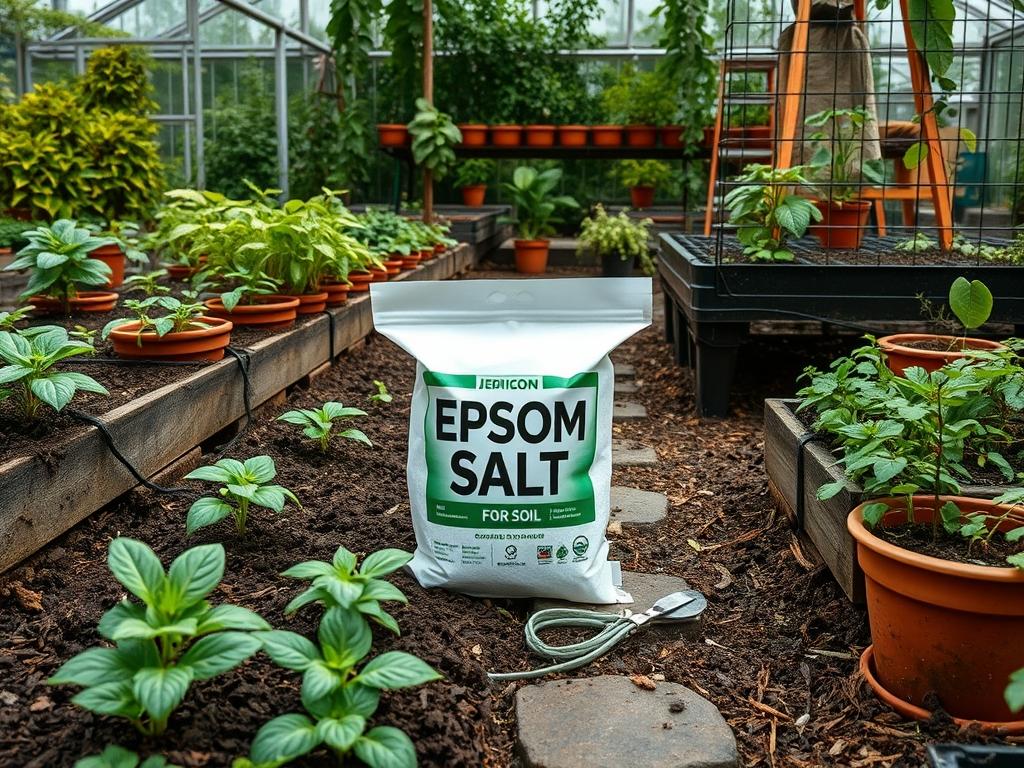
Achieving a high performance landscape requires more than aesthetic intuition; it demands a deep understanding of soil chemistry and nutrient bioavailability. When designing outdoor environments that must command curb appeal while enduring local climate stressors, the health of the soil serves as the silent engine of the entire project. One of the most common yet overlooked challenges in professional landscaping is magnesium deficiency. This deficiency manifests as interveinal chlorosis, where leaves turn yellow while veins remain green, effectively neutralizing the visual impact of expensive ornamental plantings. To combat this, experienced designers often turn to Epsom Salt for Soil as a targeted amendment. Technically known as Magnesium Sulfate, this naturally occurring mineral provides a highly soluble boost of magnesium and sulfur without significantly altering the soil pH. This distinguishes it from lime, which also adds magnesium but raises alkalinity. Incorporating Epsom Salt for Soil into your landscape management plan ensures that the structural elements of the garden, from Retaining Walls to Walkways, are framed by lush, vibrant greenery rather than stunted or pale foliage.
Landscape Design Principles
Professional landscape design relies on the balance between hardscaping and softscaping to create a cohesive environment. Symmetry and focal points are often compromised when plant health is inconsistent. If a row of Boxwoods framing a formal Walkway exhibits uneven growth, the architectural intent is lost. Magnesium plays a critical role in chlorophyll production, which is the cornerstone of that deep green saturation required for high end visual balance. In a well planned landscape, focal points like specimen Japanese Maples or structural Evergreens are often situated in areas with high visibility. These plants require optimal nutrient uptake to maintain their status in the hierarchy of the design.
Elevation layers also play a role in how nutrients are distributed throughout the site. In gardens with significant grading or tiered Retaining Walls, irrigation runoff can leach essential minerals from the upper levels of the soil profile. This leaching often leaves the top layers of a terraced garden stripped of magnesium. By integrating Epsom Salt for Soil into the irrigation planning phase, designers can ensure that even the most elevated planting beds receive the chemical support necessary for robust root development. This proactive approach prevents the skeletal look of undernourished plants that can ruin the layering effect of a professional installation.
Plant and Material Selection
Selecting the right plant material involves more than matching sun exposure to light levels; it requires understanding the metabolic demands of specific species. Certain plants are heavy magnesium feeders and respond dramatically to the application of Magnesium Sulfate.
| Plant Type | Sun Exposure | Soil Needs | Water Demand | Growth Speed | Maintenance Level |
| :— | :— | :— | :— | :— | :— |
| Hybrid Tea Roses | Full Sun | Well Drained, Rich | High | Fast | High |
| Evergreen Shrubs | Full to Partial | Slightly Acidic | Moderate | Slow | Medium |
| Fruiting Peppers | Full Sun | Loamy, Warm | Moderate | Medium | Medium |
| Flowering Azaleas | Partial Shade | Acidic, Mulched | High | Medium | Medium |
| Climbing Clematis | Full Sun/Cool Roots | Alkaline to Neutral | High | Fast | High |
| Lawn Turfgrass | Full Sun | Compaction Resistant | Moderate | Fast | Medium |
When selecting Hardscape Materials like Natural Stone or Concrete Pavers, practitioners must also consider how these materials interact with the soil. For instance, limestone based materials can leach calcium into the soil, which occasionally creates a nutrient imbalance where the plant cannot absorb magnesium effectively. In these specific microclimates, supplemental Epsom Salt for Soil becomes a necessity to restore the cation exchange capacity of the root zone.
Implementation Strategy
The successful implementation of a garden layout begins with proper soil preparation during the grading phase. Before the first Mulch is spread or the first Edging is installed, the soil should be tested. If the reports show low magnesium, Epsom Salt for Soil can be incorporated into the top 6 inches of the soil during the initial tilling. A standard professional application rate is often 1 pound per 100 square feet for new beds.
For existing landscapes, the delivery method matters. Foliar feeding is an excellent strategy for immediate results. By dissolving 2 tablespoons of Magnesium Sulfate in a Gallon of Water, you can spray the solution directly onto the leaves of struggling plants. For a more sustained release, granular application around the drip line of shrubs and trees is preferred. After applying the granules, ensure you water the area thoroughly to move the sulfate into the root zone. This is particularly important around Hardscaping where drainage patterns might divert natural rainfall away from the base of the plants. During the installation of new specimens, adding 1 tablespoon of the salt directly to the planting hole can mitigate transplant shock and encourage rapid establishment of the root system.
Common Landscaping Failures
The most frequent failure in amateur landscaping is the “one size fits all” approach to fertilization. Many homeowners over apply generic fertilizers without addressing specific mineral deficiencies. Soil compaction is another significant hurdle; when soil is too dense, oxygen and minerals like magnesium cannot reach the roots, leading to a decline in plant vigor regardless of how much nutrient is added. Proper Aeration is the prerequisite for any soil amendment to be effective.
Another critical mistake involves drainage. If a site has poor Drainage, water sits around the roots, causing rot and preventing the uptake of essential nutrients. This often looks like a nutrient deficiency, leading gardeners to add more fertilizer when the real problem is a lack of French Drains or proper yard grading. On the opposite end, excessive irrigation in sandy soils can wash away magnesium before the plant can process it. Understanding the texture of your soil is vital; sandy soils require more frequent, lighter applications of Epsom Salt for Soil compared to heavy clay soils which retain minerals much longer.
Seasonal Maintenance
Maintenance is a year round commitment that shifts with the physiological needs of the landscape. In the Spring, the focus is on growth and recovery. This is the optimal time to apply Epsom Salt for Soil to jumpstart chlorophyll production as the plants break dormancy. A light application across the Lawn can also help the turf grass achieve a deep, uniform green without the excessive top growth caused by high nitrogen fertilizers.
During the Summer, plants face heat stress and high evapotranspiration rates. Supplemental magnesium helps the plant’s internal biological processes, making them more resilient to drought condition. In Autumn, the goal shifts to root strength and winter hardiness. While you should scale back on nitrogen to avoid new, tender growth that will freeze, a final dose of magnesium can help woody ornamentals store the energy they need for the cold months. In Winter, the focus turns to the hardware of the landscape. Check Retaining Walls for shift and ensure that Walkways are clear of salt de icers that can contaminate the soil. While the plants are dormant, it is an excellent time to take soil samples to plan your magnesium strategy for the coming year.
Professional Landscaping FAQ
How do I know if I need Epsom salt?
Test your soil first. If foliage shows yellowing between the veins while the veins stay green, it usually indicates a magnesium deficiency. This is common in light, sandy soils or areas with heavy rainfall that leaches nutrients away.
Can Epsom salt damage my plants?
While generally safe, over application can lead to an accumulation of salts that may hinder the uptake of other nutrients like calcium. Always follow specific measurements, such as 1 tablespoon per foot of plant height, to maintain soil balance.
Does Epsom salt help with transplanting?
Yes. Adding a small amount of Magnesium Sulfate to the planting hole helps the roots recover from the stress of being moved. It encourages stronger cell walls and better nutrient absorption during the critical first few weeks of establishment.
Is it safe for use around hardscaping?
Unlike some harsh chemical fertilizers, Magnesium Sulfate will not stain Natural Stone or Concrete Pavers. However, you should still rinse your walkways after application to ensure the granules reach the soil where they can be effectively utilized by the plants.
How often should I apply it?
For most ornamental gardens, a seasonal application in the spring and mid summer is sufficient. If you are managing heavy feeders like roses or a vegetable patch, a monthly application during the active growing season will provide the best results.