
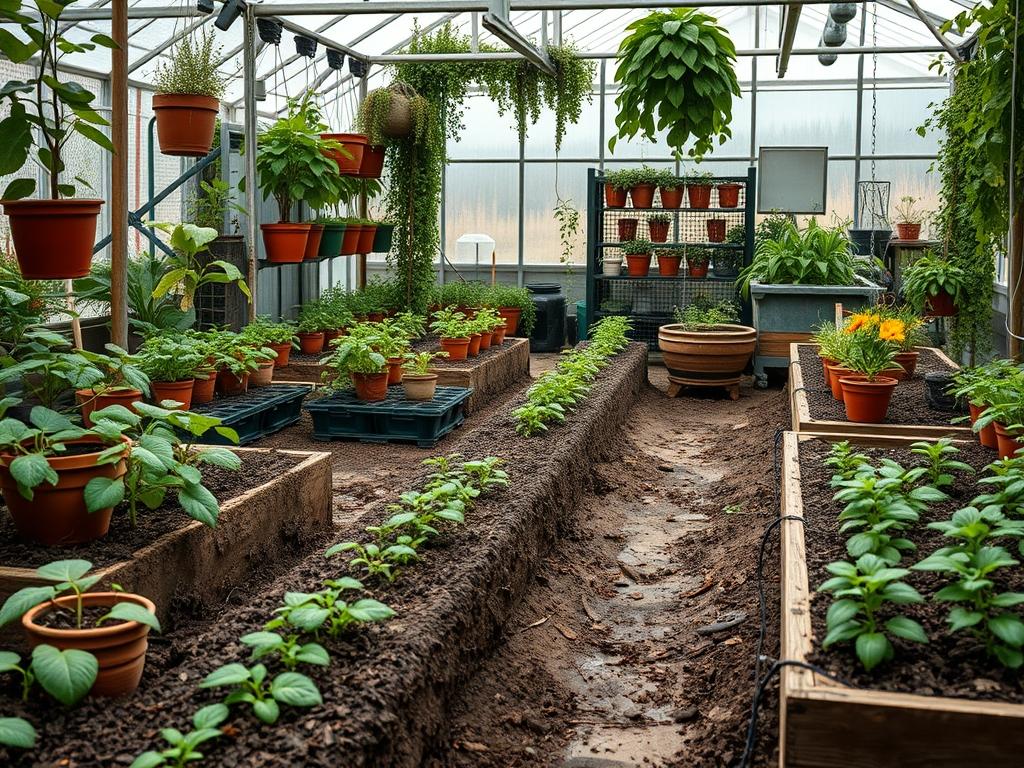
Modern landscape architecture involves a delicate balance between structural permanence and biological vitality. When we design outdoor environments, we focus on spatial flow, the interaction of light and shadow, and the sustainability of the ecosystem. A common challenge in professional landscaping is maintaining the long term health of organic vegetable plots within a high end aesthetic framework. Soil quality often serves as the limiting factor for plant performance, especially in urban environments or sites with heavy clay content. To achieve the highest level of productivity while maintaining curb appeal, integrating top tier soil amendments is mandatory. One of the most significant upgrades a consultant can recommend involves the strategic application of premium organic matter. The primary earthworm casting benefits include a radical improvement in soil structure, nutrient bioavailability, and water retention. By viewing the soil as a living engine rather than a mere substrate, designers can ensure that organic vegetables thrive with the same vigor as ornamental perennials.
Landscape Design Principles
Successful garden planning requires more than just placing plants in the ground; it necessitates a deep understanding of site geometry and biological requirements. Symmetry provides a sense of order, allowing a vegetable garden to feel like an intentional part of the architectural layout rather than a messy afterthought. By using focal points, such as a custom wooden obelisk or a large stone vessel, we can draw the eye toward specific zones of the garden. Elevation layers are equally important. We often utilize raised beds built from cedar or natural stone to create distinct tiers of growth. This verticality improves drainage and makes the space more ergonomic for the homeowner.
Irrigation planning must be integrated into the initial site analysis. For organic vegetable production, a drip irrigation system is the professional standard. This method delivers water directly to the root zone, reducing the risk of foliage diseases. Walkways should be wide enough for a wheelbarrow or a standard garden cart, typically measuring at least 36 inches in width. Visual balance is achieved by mixing different textures, such as the broad leaves of Zucchini against the fine, feathery foliage of Carrots. When these design principles are supported by a nutrient dense soil program, the result is a landscape that is both beautiful and bountiful.
Plant and Material Selection
| Plant Type | Sun Exposure | Soil Needs | Water Demand | Growth Speed | Maintenance Level |
| :— | :— | :— | :— | :— | :— |
| Beefsteak Tomato | Full Sun | High Organic Matter | Moderate to High | Fast | High |
| Lacinato Kale | Full Sun / Partial Shade | Well Drained Loam | Moderate | Medium | Low |
| Sweet Bell Pepper | Full Sun | Warm, Nutrient Rich | Moderate | Medium | Moderate |
| Bush Beans | Full Sun | Loose, Aerated Soil | Low to Moderate | Fast | Low |
| English Cucumber | Full Sun | Compost Enriched | High | Very Fast | Moderate |
| Red Romaine Lettuce | Partial Shade | Moisture Retentive | Moderate | Fast | Low |
Implementation Strategy
The transition from a design blueprint to a physical garden requires a meticulous implementation strategy. First, we address the grading of the site. Proper slope is essential to prevent water from pooling around the foundation of the home or the root systems of sensitive vegetables. Once the grade is established, we define the borders using professional grade steel edging or heavy timber. This creates a clean line between the lawn and the growing beds, preventing grass from encroaching on the organic crops.
When preparing the soil, mixing in earthworm castings at a ratio of approximately 10 percent to 20 percent of the total soil volume provides an immediate biological boost. These castings serve as a concentrated source of nitrates, phosphates, and potash. Unlike synthetic fertilizers, they do not burn delicate root systems. After the soil is prepared and the plants are in place, we apply a 3 inch layer of organic cedar mulch or pine straw. This mulch layer suppresses weeds and helps maintain a consistent soil temperature. Drainage is overseen by installing a French drain or a dry creek bed if the topography suggests heavy runoff during seasonal storms. Hardscaping elements, such as flagstone pavers or decomposed granite, should be installed prior to the final planting phase to avoid soil compaction.
Common Landscaping Failures
Many projects fail within the first two years due to a lack of attention to soil physics. Drainage mistakes are the most frequent culprit. If the soil remains saturated for too long, the roots of Solanum lycopersicum or Capsicum annuum will suffocate and rot. Another common issue is root overcrowding. Designers often overlook the mature size of a plant, leading to a tangled mess that restricts airflow and encourages pests. Improper spacing also makes it difficult to harvest and maintain the garden without damaging adjacent foliage.
Soil compaction is a silent killer in the landscape. If a skid steer or heavy machinery is driven over a planting area during construction, the pore space in the soil is crushed. This prevents oxygen and water from reaching the roots. Incorporating earthworm castings can help mitigate this, as the humic acid in the castings helps to flocculate the soil, creating better structure over time. Finally, irrigation inefficiencies, such as overhead spraying during the heat of the day, lead to significant water waste and suboptimal plant health.
Seasonal Maintenance
Landscape management is an ongoing process that changes with the calendar. In the spring, the focus is on soil preparation and the application of fresh compost. We use a broadfork to aerate the beds without flipping the soil, preserving the fungal networks. This is the ideal time to side dress established plants with a handful of earthworm castings to provide slow release nutrients for the growing season. Summer maintenance involves diligent monitoring of moisture levels. We check the drip lines for clogs and use a soil moisture meter to ensure the root zones remain hydrated during heat waves.
As autumn arrives, the landscape architect shifts focus to soil preservation. We remove spent summer crops and replace them with a cover crop like Crimson Clover to prevent erosion. Applying a fresh layer of mulch helps protect the soil microbes from the coming frost. During winter, maintenance is largely structural. We inspect the retaining walls and walkways for movement caused by freeze and thaw cycles. It is also the perfect time to prune dormant fruit trees using a sharpened pair of bypass pruners. By following this seasonal rhythm, the functional and aesthetic components of the landscape remain in peak condition.
Professional Landscaping FAQ
How often should I apply earthworm castings to my vegetables?
Apply a thin layer of earthworm castings to the soil surface every three months during the active growing season. For heavy feeders like Squash, a side dressing once a month will provide a steady supply of micronutrients and beneficial microbes.
Can earthworm castings improve the drainage of heavy clay soil?
Yes, the organic compounds in earthworm castings help bind small clay particles into larger aggregates. This increases the pore space within the soil, allowing water to move more freely and oxygen to reach the root systems of your organic vegetables.
What is the best way to integrate castings into an existing landscape?
Use a hand trowel to gently work the castings into the top two inches of the soil around the base of your plants. If you have a mulch layer, pull it back first, apply the castings, and then replace the mulch.
Are earthworm castings safe for use around children and pets?
Essentially, yes; they are a completely natural and non toxic soil amendment. Unlike synthetic chemical fertilizers, earthworm castings do not contain harmful salts or synthetic compounds, making them an ideal choice for residential landscapes where safety is a primary concern.
Will using castings reduce my dependence on other fertilizers?
Significant research indicates that the earthworm casting benefits include increased nutrient uptake efficiency. While you may still need supplemental nitrogen for specific crops, the healthy microbial population supported by castings often reduces the overall volume of additional fertilizer required for the season.