
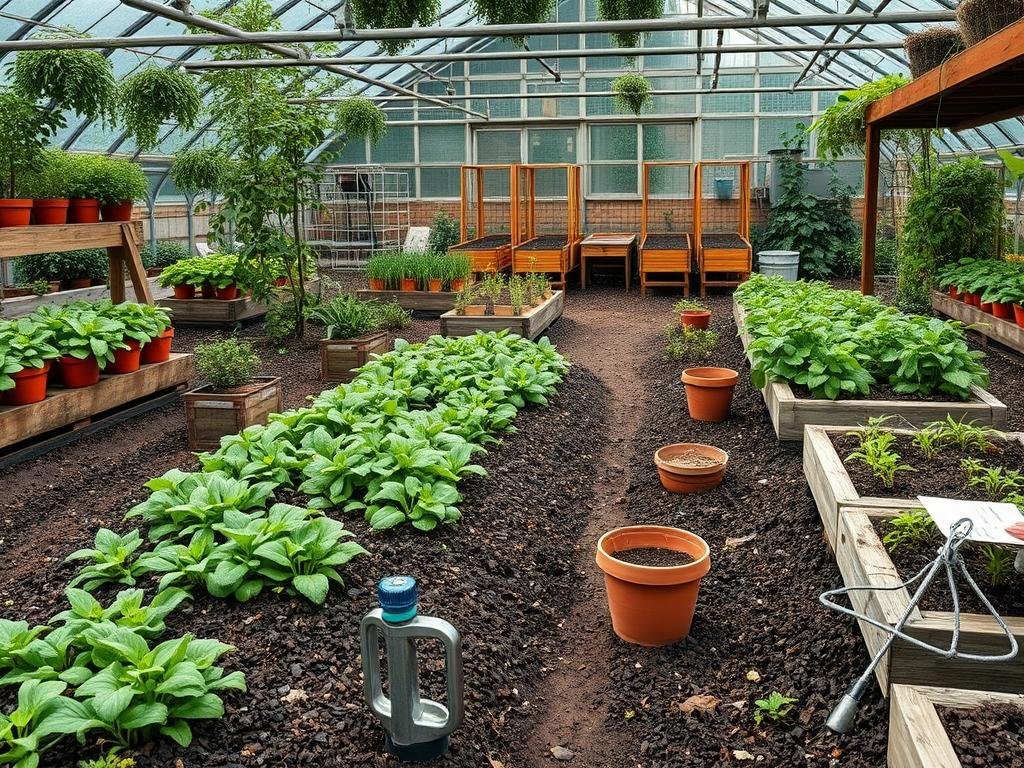
Maintaining a high end landscape requires more than just an aesthetic eye; it demands a deep understanding of the subterranean environment where a plant is most vulnerable. The root zone serves as the primary engine for nutrient uptake and hydration, yet it is frequently subjected to the volatility of surface weather conditions. In modern landscape architecture, we prioritize Mulching for Temp Stability to serve as a thermal buffer. This practice is essential for protecting delicate root structures from the physiological shock caused by rapid freeze thaw cycles or extreme summer heat. When ground temperatures fluctuate wildly, plants expend excessive energy attempting to regulate internal moisture, often leading to stunted growth or total vascular failure. By installing a consistent organic barrier, we ensure that the soil remains at a steady temperature. This stability allows the plant to focus its resources on leaf production and ornamental flowering rather than survival. Beyond the health of the flora, a well mulched bed enhances curb appeal by providing a crisp, finished look that defines the borders of the property. It transforms a scattered collection of shrubs into a cohesive outdoor environment that feels intentional and professionally managed.
Landscape Design Principles
Effective landscape design begins with the concept of visual balance and functional utility. We use symmetry to create a sense of order, especially near the primary entrance of a residence. This is often achieved through the use of Boxwood hedging or matched Japanese Maple specimens that frame architectural features. However, true professional design also utilizes focal points to draw the eye through the space. A strategically placed Specimen Tree or a custom Stone Fountain acts as a destination within the garden, encouraging movement and exploration. As we develop the plan, we must consider elevation layers. A flat yard lacks character; therefore, we implement Retaining Walls and raised planters to create vertical interest and define separate outdoor rooms.
Transitioning between these spaces requires careful walkway planning. The use of Flagstone or Permeable Pavers ensures that foot traffic does not lead to Soil Compaction, which is a primary enemy of root health. Alongside these hardscaping elements, irrigation planning is paramount. We integrate Drip Irrigation systems beneath the surface to deliver water directly to the roots, minimizing evaporation loss. This synergy between hardscape and softscape is what creates a long term, sustainable outdoor living area. The placement of every Evergreen Shrub and Perennial Flower is calculated to account for their mature size, ensuring that the visual balance maintained today is not lost a decade from now because of overcrowding.
Plant and Material Selection
| Plant Type | Sun Exposure | Soil Needs | Water Demand | Growth Speed | Maintenance Level |
| :— | :— | :— | :— | :— | :— |
| Japanese Maple | Partial Shade | Well-Drained | Moderate | Slow | Medium |
| Lavender | Full Sun | Sandy/Lean | Low | Moderate | Low |
| Boxwood | Full Sun to Shade | Loamy | Moderate | Slow | High (Pruning) |
| Hostas | Deep Shade | Rich/Humus | High | Fast | Low |
| Switchgrass | Full Sun | Adaptable | Low | Fast | Very Low |
| Hydrangea | Partial Sun | Moist/Acidic | High | Moderate | Medium |
Implementation Strategy
The transition from a design concept to a finished landscape begins with meticulous site preparation. First, we address the Grading of the land. The soil must be sloped away from the home foundation at a rate of at least 1 inch per foot for the first 10 feet. This prevents water from pooling and causing hydrostatic pressure issues. Once the grade is established, we use a Spade to create deep, clean lines for Landscape Edging. This physical barrier prevents turf grass from encroaching into the ornamental beds and keeps the primary materials contained.
After the edges are defined, it is time to address the soil health. We incorporate organic compost into the Topsoil to improve drainage and nutrient availability. When the plants are positioned according to the design plan, we excavate holes that are twice as wide as the root ball but no deeper. Once the plants are set, the application of Mulch begins. For maximum effectiveness in Mulching for Temp Stability, we recommend a depth of exactly 3 inches. If the layer is too thin, it fails to insulate; if it is too thick, it can suffocate the roots and prevent oxygen exchange. We use a Steel Rake to spread the material evenly, ensuring it is pulled back at least 2 inches from the base of the tree trunks to prevent bark rot. Final steps include the installation of Low Voltage Lighting and the testing of the Irrigation Controller to ensure total coverage.
Common Landscaping Failures
One of the most frequent errors observed in residential landscaping is improper drainage management. When water is allowed to stagnate, it deprives roots of oxygen, leading to anaerobic conditions and root rot. Many homeowners also suffer from root overcrowding because they fail to account for the mature spread of a Green Giant Arborvitae or similar fast growing species. What looks appropriate during the first year becomes a tangled, competitive mess by Year 5. This competition for nutrients and sunlight inevitably leads to the decline of the less aggressive species in the cluster.
Another critical failure is the over use of mechanical weed trimmers near the base of young trees. This causes mechanical damage to the cambium layer, effectively girdling the tree and cutting off its nutrient supply. Furthermore, Soil Compaction caused by heavy equipment during construction can create a concrete like layer that roots cannot penetrate. Finally, we often see irrigation inefficiencies where Spray Heads are set to hit the foliage of plants rather than the root zone. This not only wastes water but also promotes fungal diseases on the leaves, particularly in humid summer climates.
Seasonal Maintenance
Landscape management is a year round commitment that shifts with the biology of the plants. In the spring, the focus is on rejuvenation. We begin by removing any debris caught in the garden beds and pruning back dead wood from Hydrangeas or Roses using Bypass Pruners. This is also the time to refresh the Mulch to restore its depth and ensure it continues to provide Mulching for Temp Stability as the ground warms. Applying a pre-emergent herbicide now will save hours of labor later in the season.
During the summer month, the priority shifts to hydration management. We monitor the Soil Moisture levels frequently, especially for new installations. It is better to water deeply and less frequently than to provide shallow daily sprinkles. In the autumn, we focus on leaf management and preparation for dormancy. Leaves should be removed from the lawn to prevent snow mold, but they can be shredded and added to the Compost Pile. Winter maintenance is about protection. In regions with heavy snow, we use Burlap Wraps to protect sensitive Evergreens from windburn and salt spray. We also ensure that the Irrigation System is fully winterized and blown out with an Air Compressor to prevent pipe bursts.
Professional Landscaping FAQ
How thick should my mulch layer be for winter?
A depth of 3 inches is ideal for winter protection. This thickness provides a thermal blanket that prevents the ground from freezing and thawing repeatedly, which can heave small perennials out of the soil and expose their roots to killing frosts.
Can I use stones instead of wood mulch?
River Rocks or Lava Rocks are durable but do not offer the same thermal benefits. Stones absorb and retain heat, which can cook delicate roots during the summer. They also do not decompose to provide essential organic nutrients to the soil.
When is the best time to prune my shrubs?
Most flowering shrubs should be pruned immediately after their blooms fade. For non flowering Evergreens, late winter or early spring is best, as it allows the plant to heal before the primary growing season begins. Always use sharp, sterilized Hand Shears.
Why is my mulch turning a gray or white color?
This is usually a harmless fungus called slime mold or artillery fungus. It thrives in damp, organic environments. You can manage this by occasionally raking the Hardwood Mulch to improve airflow and allow the sun to dry out the top layer.
Does mulching really help with weed control?
Yes, a consistent layer of Bark Mulch blocks sunlight from reaching weed seeds stored in the soil. By preventing germination, you significantly reduce the need for chemical herbicides. Any weeds that do sprout are easier to pull from the loose, moist material.