
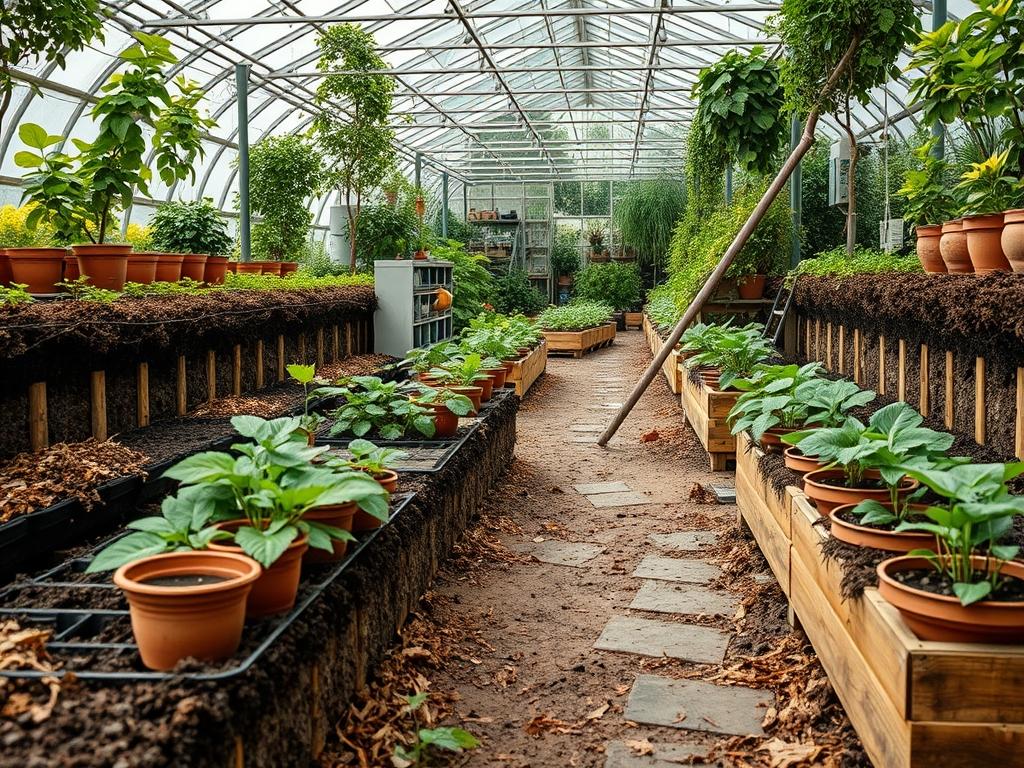
The health of a high end landscape resides not in the visible canopy or the vibrant blooms of a perennial border, but within the complex, invisible interactions occurring just millimeters from the root surface. This narrow region, known as the rhizosphere, serves as the primary interface between the plant and the soil ecosystem. For a landscape architect, effective Rhizosphere Management is the difference between a project that survives the first three years and one that thrives for decades. When the soil biology is neglected, even the most expensive specimens succumb to environmental stressors like heat waves, drought, or unexpected frost. By prioritizing the underground environment, we ensure that the curb appeal remains consistent throughout changing seasons while maximizing the functional use of the outdoor living space. Proper management integrates structural engineering with biological sensitivity, ensuring that retaining walls and walkways do not inadvertently compromise the life-giving soil zones they border.
Landscape Design Principles
Successful landscape design rests on the mastery of spatial organization and the subtle management of resources. Symmetry and focal points provide the visual framework, yet their placement must be informed by the biological needs of the plant material. When we design around a focal point, such as a large specimen tree, we must calculate the future root spread to prevent structural conflicts with pavers or foundations. Visual balance is achieved when the weight of hardscaping is countered by lush, healthy vegetation; however, this balance is fragile if the soil beneath is compacted or nutrient-deficient.
Elevation layers are another critical component. By utilizing mounds or terraced beds, a designer can create micro-climates that favor different species. These elevation changes also dictate drainage patterns. Water must be directed away from the home foundation via site grading, typically at a two percent minimum slope, but it should also be harvested into infiltration zones where the rhizosphere can process the runoff. Irrigation planning must transition from surface spraying to deep-root delivery systems, such as subsurface drip lines, to encourage roots to grow downward rather than congregating near the surface. Walkways should be designed using permeable materials whenever possible to allow oxygen and water to reach the soil, preventing the anaerobic conditions that lead to root rot.
Plant and Material Selection
Selecting the right material requires a deep understanding of how various species interact with their local environment. The following table outlines specific plants chosen for their resilience and their ability to contribute to a healthy rhizosphere.
| Plant Type | Sun Exposure | Soil Needs | Water Demand | Growth Speed | Maintenance Level |
| :— | :— | :— | :— | :— | :— |
| Quercus virginiana (Live Oak) | Full Sun | Well-drained acidic | Low once established | Slow | Low |
| Lavandula angustifolia (Lavender) | Full Sun | Sandy, alkaline | Low | Medium | Medium |
| Heuchera (Coral Bells) | Part Shade | Rich, loamy soil | Medium | Medium | Low |
| Taxus baccata (English Yew) | Part to Full Shade | Moist, well-drained | Medium | Slow | Medium |
| Panicum virgatum (Switchgrass) | Full Sun | Tolerates most | Low to Medium | Fast | Low |
| Acer palmatum (Japanese Maple) | Dappled Shade | Slightly acidic, rich | Medium | Slow to Medium | High |
| Buxus microphylla (Boxwood) | Full/Part Sun | Well-drained loamy | Medium | Slow | Medium |
Implementation Strategy
The implementation begins with a detailed site analysis and a soil test to determine pH levels, nutrient density, and texture. Once the baseline is established, grading becomes the priority. This involves sculpting the land to ensure that water moves purposefully across the site. During this phase, it is vital to avoid heavy machinery traffic over designated planting zones; this protects the soil structure from irreversible compaction.
Next, we establish hardscaping elements like patios, retaining walls, and curbing. When installing landscape edging, a depth of 6 inches is often required to create a clean break between turf grasses and garden beds, preventing aggressive root encroachment. Following the hardscape, the planting holes should be excavated to twice the width of the root ball but no deeper than the height of the root ball itself. This ensures that the crown of the plant stays slightly above the soil line to prevent crown rot.
Applying mulch is the final step in the initial installation. A layer of 3 to 4 inches of organic hardwood mulch or pine bark acts as a thermal blanket for the rhizosphere. It regulates temperature, suppresses weed competition, and slowly decomposes to provide organic matter. For higher efficiency, we often incorporate mycorrhizal inoculants directly into the planting hole. These beneficial fungi form a symbiotic relationship with the roots, effectively extending the plant’s reach for water and minerals.
Common Landscaping Failures
The most frequent failure in modern landscaping is soil compaction. When contractors drive heavy equipment over planting beds, the pore spaces in the soil are crushed. This eliminates the oxygen required for root respiration and prevents water from infiltrating the rhizosphere. The result is a “bathtub effect,” where water sits in the planting hole, drowning the roots and inviting pathogenic fungi.
Another common mistake is improper spacing. Designers often plant for “instant impact,” placing shrubs too close together. As these plants mature, their root systems compete for the same limited volume of soil and nutrients. This overcrowding leads to stunted growth and increased susceptibility to pests. Furthermore, the “mulch volcano,” where mulch is piled against the trunk of a tree, is a catastrophic error. It traps moisture against the bark, leading to decay and providing a gateway for wood-boring insects. Finally, irrigation inefficiencies, such as short, frequent watering cycles, encourage shallow root systems. These plants are the first to die during a heat wave because the rhizosphere is confined to the top two inches of soil, which dries out rapidly.
Seasonal Maintenance
Winter management involves protecting the rhizosphere from extreme temperature fluctuations. A fresh application of mulch before the first hard freeze insulates the soil. For evergreens, applying an anti-desiccant spray can help prevent moisture loss through the needles when the ground is frozen and roots cannot take up water.
Spring is the time for soil aeration and the addition of organic amendments. We use a core aerator on turf areas to relieve compaction and allow nutrients to reach the root zone. In garden beds, scratching in a layer of compost provides a slow-release nutrient boost. This is also the ideal time to check irrigation emitters for clogs and to adjust controllers for the upcoming growing season.
Summer maintenance focuses on moisture retention. Deep, infrequent watering is the standard. Using a soaker hose at the base of plants ensures that water reaches the rhizosphere without being lost to evaporation or causing foliar diseases. We also monitor for signs of heat stress, adjusting the mulch depth if it has thinned out.
Autumn is the season for “biological feeding.” Instead of high-nitrogen fertilizers that encourage late-season tender growth, we apply humic acid and seaweed extracts. These stimulate microbial activity within the rhizosphere, preparing the plants for the dormant season. It is also the best time for planting new trees and shrubs, as the cooling air and warm soil provide the perfect environment for root establishment without the stress of summer heat.
Professional Landscaping FAQ
How does rhizosphere management affect plant growth?
By optimizing the 2mm zone around the roots, you enhance nutrient uptake and water efficiency. A healthy rhizosphere fosters symbiotic relationships with beneficial fungi and bacteria, which naturally boosts the plant’s immune system against diseases and environmental stressors.
Can I fix compacted soil without removing my plants?
Yes. You can use a process called vertical mulching or radial trenching. This involves using an air spade or auger to create holes near the root zone and filling them with high-quality compost to reintroduce oxygen and organic matter.
What is the best mulch for root health?
Coarse, organic hardwood mulch is generally best. It breaks down slowly, providing a consistent source of carbon for soil microbes while allowing for excellent gas exchange. Avoid dyed mulches, as they can sometimes contain chemicals that inhibit microbial growth.
Why are my plants turning yellow despite regular watering?
This is often a symptom of overwatering or poor drainage. When the rhizosphere stays saturated, oxygen is displaced. This causes the roots to suffocate and die, preventing them from taking up iron and nitrogen, which results in yellowing foliage.
When should I apply root stimulants to my landscape?
Apply stimulants like mycorrhizae or liquid kelp during the spring or autumn planting windows. These products are most effective when applied directly to the root ball or during periods of active root growth when soil temperatures are moderate.