
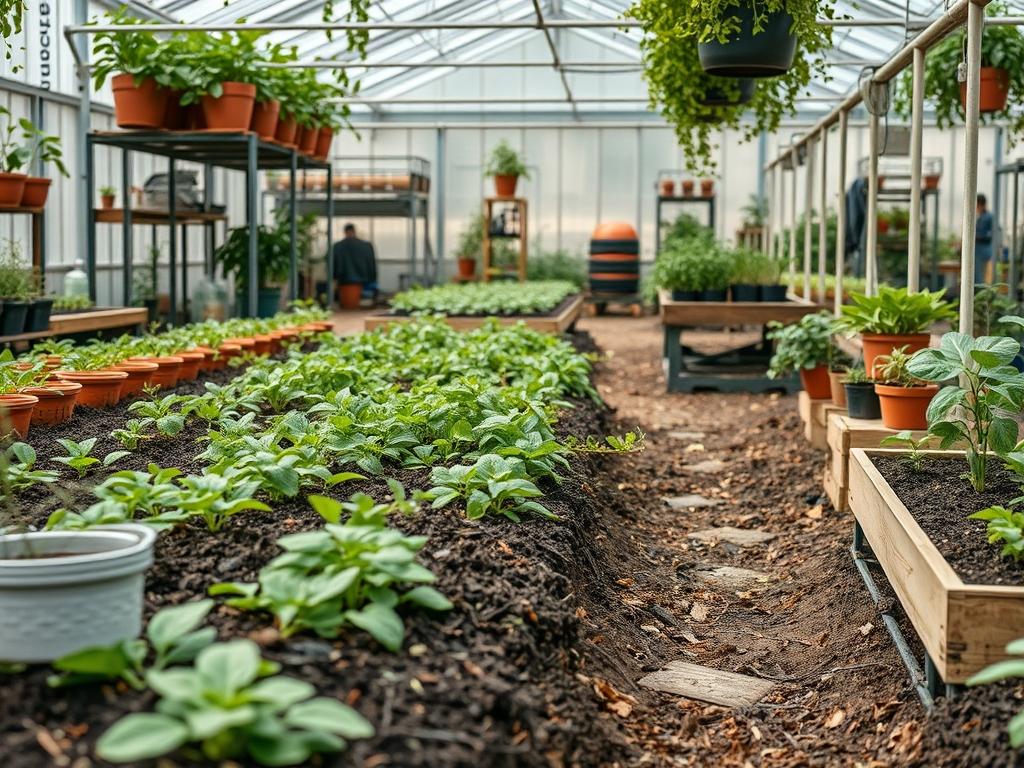
Most homeowners view landscaping as a purely visual exercise, yet the longevity of any outdoor installation depends on the invisible architecture beneath the surface. When we design for curb appeal, we often focus on the vibrant shades of high-quality perennials or the crisp lines of a retaining wall. However, truly sustainable landscape architecture requires an understanding of the relationship between plant roots and the soil. This is where the science of glomalin and soil health becomes the most important tool in a consultant’s kit. Glomalin, a sticky protein produced by mycorrhizal fungi, serves as the primary biological glue that stabilizes soil structure. Without it, the soil loses its ability to breathe, drain, and support the very aesthetic goals we aim to achieve. Designing a landscape that thrives across shifting seasons requires us to look past the surface level. We must consider the structural integrity of the earth itself.
In professional landscaping, functionality and beauty are inextricably linked. A property with poor soil structure will inevitably suffer from drainage issues, leading to dead patches in a lawn or the premature failure of expensive specimen trees. By focusing on organic systems that foster glomalin production, we ensure that the soil remains porous and resilient. This organic approach reduces the need for chemical interventions and creates an outdoor environment that feels integrated with the local ecosystem. Whether you are aiming for a modern minimalist look or a lush cottage garden, the principles of soil health dictate the success of your investment. We prioritize elevation, drainage, and biological stability to create spaces that endure for decades rather than just a few seasons.
Landscape Design Principles
Effective landscape design starts with the conceptualization of focal points and the establishment of visual balance. We use symmetry to guide the eye toward the entrance of a home, yet we rely on varied elevation layers to create depth. These layers are not merely for show; they allow us to manage water runoff and protect the fungal networks that produce glomalin. When we install a focal point, such as a large serviceberry tree or a stone sculpture, we must ensure the surrounding soil is not overly compacted during the process. Compaction is the enemy of soil health because it crushes the air pockets where mycorrhizal fungi thrive.
Walkways and transition zones should be designed to minimize soil disturbance. We often recommend permeable pavers or crushed limestone paths that allow water to reach the soil below. This keeps the underground ecosystem hydrated and active. Visual balance is achieved by mixing textures, such as the soft needles of an Eastern White Pine against the rigid structure of a stacked stone wall. By planning for maturity, we avoid the clutter that leads to poor air circulation. Airflow is essential for both the foliage above and the microbial life below. Every design choice must respect the natural grade of the land to prevent erosion, which would otherwise wash away the topsoil layers where glomalin is most concentrated.
Plant and Material Selection
Selecting the right materials involves more than matching colors to the home’s siding. We choose plants that are known to form strong symbiotic relationships with beneficial fungi. Native species are often the best candidates for promoting glomalin and soil health because they have evolved alongside local soil microbes. In the table below, we examine several species that provide structural beauty while supporting the organic health of the landscape.
| Plant Type | Sun Exposure | Soil Needs | Water Demand | Growth Speed | Maintenance Level |
| :— | :— | :— | :— | :— | :— |
| Switchgrass | Full Sun | Adaptable | Low | Fast | Low |
| Purple Coneflower | Full Sun | Well-drained | Moderate | Moderate | Low |
| River Birch | Sun to Part Shade | Moist/Acidic | High | Fast | Medium |
| Highbush Blueberry | Full Sun | Acidic/Organic | Moderate | Moderate | Medium |
| Christmas Fern | Shade | Humus-rich | Moderate | Slow | Low |
| Little Bluestem | Full Sun | Lean/Dry | Low | Moderate | Low |
For hardscaping, we prioritize natural materials like flagstone and river rock. When applying mulch, we specify a 3 inch layer of aged arborist chips or thoroughly composted leaf mold. These organic materials break down slowly, providing the carbon source necessary for fungi to manufacture glomalin. We avoid dyed mulches or rubber alternatives, as they offer no biological benefit and can introduce toxins that halt soil regeneration.
Implementation Strategy
The transition from a design on paper to a physical landscape requires a disciplined implementation strategy. We begin with a thorough site analysis, measuring transitions in grade and identifying low spots where water might collect. Proper grading is the most critical step. We aim for a slope that directs water away from the foundation at a rate of at least 1 inch of drop for every 1 foot of distance. Once the grade is established, we focus on the beds.
Instead of traditional tilling, which shears fungal hyphae and releases stored carbon, we utilize a no-till approach. We use a broadfork to aerate the soil without turning it over. This preserves the existing glomalin structures. For the layout, we use marking paint to define the edges of planting beds and walkways. Edge definition is achieved using a steel edger or a power edger to create a clean, 4 inch deep trench that prevents turf grass from encroaching on the perennials.
When planting, we excavate holes that are twice the width of the root ball but no deeper. We often incorporate a mycorrhizal inoculant directly into the planting hole to jumpstart the fungal colonizing process. This is particularly important in new construction where the native soil has been stripped or buried under fill dirt. After the plants are in the ground, we install a drip irrigation system beneath the mulch layer. This provides targeted hydration to the roots while keeping the surface dry, which reduces weed germination and fungal diseases on the foliage.
Common Landscaping Failures
Many landscape projects fail because of a lack of attention to the invisible factors of soil health. Compaction is perhaps the most frequent culprit. When heavy machinery or foot traffic compresses the earth, it destroys the soil aggregates held together by glomalin. This results in a “concrete” effect where roots cannot penetrate and water cannot infiltrate. Another common error is the over-application of high-phosphorus synthetic fertilizers. While these may produce a quick flush of green growth, they signal to the plant that it no longer needs its fungal partners. The plant stops feeding the fungi, glomalin production halts, and the soil structure eventually collapses.
Improper spacing is another frequent mistake. We often see Boxwood or Juniper planted too close together for immediate effect. Within three years, these plants become overcrowded, leading to root competition and poor light penetration. Drainage mistakes, such as ending a downspout in the middle of a planting bed without a pop-up emitter or a dry well, will drown the root systems. Finally, the use of weed fabric or plastic sheeting under mulch is a significant failure in organic systems. These barriers prevent the exchange of gases and nutrients between the atmosphere and the soil, effectively suffocating the very microbes we aim to cultivate.
Seasonal Maintenance
A professional landscape is a living entity that requires specific care throughout the four seasons. In the spring, the focus is on cleanup and preparation. We remove dead perennial stalks and refresh the mulch, ensuring it does not touch the base of trees or shrubs. This is the time to apply compost tea to boost the microbial population as the soil warms up.
Summer maintenance revolves around irrigation management and monitoring for pests. It is vital to water deeply and infrequently, rather than providing light daily sprinkles. Deep watering encourages roots to grow further into the soil profile where they can access glomalin-rich aggregates. In the autumn, we recommend leaving the leaves in the planting beds. Fallen leaves are a primary nutrient source for the soil food web. We may use a mulching mower to break them down into smaller pieces that decompose more quickly.
Winter is the season for structural pruning and protection. We prune deciduous trees like Maples and Oaks while they are dormant to minimize stress. If we are in a particularly cold climate, we might apply a wilt-pruf spray to evergreens to prevent desiccation. By following this seasonal cycle, the landscape remains a healthy, self-sustaining system that builds soil wealth year after year.
Professional Landscaping FAQ
What is the primary benefit of glomalin in a residential garden?
Glomalin acts as a biological glue that creates soil aggregates. These aggregates improve soil structure, enhance water infiltration, and increase carbon storage. This leads to healthier plants that are more resistant to drought and disease over the long term.
Can I restore soil health if my yard is currently compacted?
Yes. You can restore health by avoiding further tilling and using a broadfork for aeration. Adding organic matter like leaf compost and using mycorrhizal inoculants will help rebuild the fungal networks necessary for glomalin production and soil porosity.
How deep should my landscape mulch be for optimal health?
Maintain a depth of 2 to 3 inches. This thickness suppresses weeds and retains moisture without suffocating the soil. Never mound mulch against tree trunks, as this creates rot and provides a pathway for pests to damage the bark.
Why should I avoid synthetic fertilizers in an organic system?
High-phosphorus synthetic fertilizers discourage plants from forming symbiotic relationships with mycorrhizal fungi. When these fungi are inactive, glomalin production stops. This leads to a degradation of soil structure and a total reliance on chemical inputs for plant survival.
How does proper grading affect the biology of the soil?
Proper grading prevents water from ponding in low areas. Stagnant water creates anaerobic conditions that kill beneficial aerobic fungi and microbes. By managing runoff, you ensure the soil remains oxygenated, which is essential for the production of glomalin and root health.