
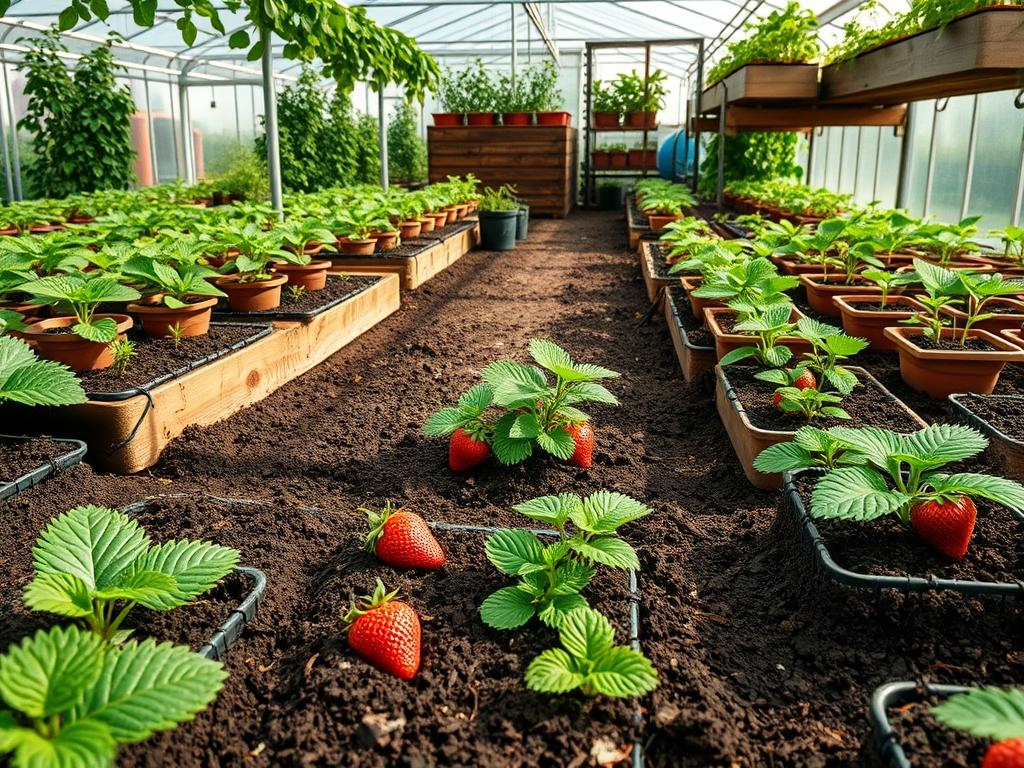
Designing a high performance edible landscape requires more than just an aesthetic eye; it demands a deep understanding of botanical physics and soil chemistry. When integrating small fruits into a professional master plan, the common challenge is balancing the visual appeal of lush ground cover with the intensive drainage requirements of the plants. Most homeowners desire the classic look of a sprawling, verdant garden. However, without a dedicated Strawberry Soil Strategy, many find their plantings succumbing to root rot or nutrient lock within the first two seasons. The ultimate goal for any outdoor environment consultant is to create a self-sustaining system where the soil structure does the heavy lifting, ensuring the landscape provides both curb appeal and functional yields.
The architectural foundation of a successful berry installation rests on the physical properties of the substrate. Loose sandy loam is often cited as the gold standard because it facilitates an ideal gas exchange between the root zone and the atmosphere. In many residential landscapes, the native soil is either too heavy with clay or too transient with pure sand. By implementing a specific strategy that focuses on textural modification, we can manage water movement across different elevation layers of the property. This prevents the stagnant water pockets that often ruin a well-designed garden bed. When we prioritize the soil structure first, we ensure that the rest of the landscape elements, from Retaining Walls to Flagstone Walkways, remain stable and free from the shifting pressures caused by waterlogged earth.
Landscape Design Principles
In professional landscape architecture, we view the garden as a series of rooms. To integrate strawberries effectively, one must apply the principle of elevation layers. By using Raised Beds or Terraces, we create a vertical focal point that draws the eye upward while simultaneously solving primary drainage issues. Strawberries serve as an excellent living mulch or seasonal border, providing a soft transition between hardscape elements and taller perennials. Symmetry plays a vital role here. Aligning strawberry rows with the geometric lines of a Paver Patio or a Cedar Pergola creates a sense of intentionality and order.
Visual balance is achieved by contrasting the fine texture of strawberry foliage with the broader leaves of structural shrubs or the rigid lines of architectural features. We also consider the flow of irrigation. Planning for a Drip Irrigation System during the design phase allows for precise moisture delivery without wetting the fruit or foliage, which reduces disease pressure. Focal points can be established using Urns or Large Planters overflowing with trailing varieties. This adds a sense of luxury to the outdoor space. Finally, walkways should be designed with a minimum width of 36 Inches to allow for easy access during maintenance and harvesting without compacting the surrounding soil zones.
Plant and Material Selection
Selecting the right cultivars and supporting materials is essential for long term success. The following table outlines the requirements for a diverse, productive edible landscape.
| Plant Type | Sun Exposure | Soil Needs | Water Demand | Growth Speed | Maintenance Level |
| :— | :— | :— | :— | :— | :— |
| Albion Strawberry | Full Sun | Loose Sandy Loam | Moderate | Fast | Medium |
| Seascape Strawberry | Full Sun | Well-Drained Loam | High | Medium | Medium |
| Creeping Thyme | Full Sun | Sandy Soil | Low | Fast | Low |
| French Marigold | Full Sun | Loamy Mix | Moderate | Fast | Low |
| Bluecrop Blueberry | Full Sun/Partial | Acidic Loam (pH 4.5) | High | Slow | High |
| Asparagus | Full Sun | Deep Sandy Loam | Moderate | Slow | Medium |
Implementation Strategy
The transition from a blueprint to a living garden begins with grading. To implement a robust Strawberry Soil Strategy, one must first assess the slope of the site. Use a Laser Level to ensure that any flat garden beds have a subtle 2 Percent Grade away from the home’s foundation. This prevents water from pooling. Once the site is graded, we move to the excavation phase. Remove the top 8 Inches of existing turf or poor quality soil. Replace this with a custom blend of 40 Percent Sand, 40 Percent Silt, and 20 Percent Clay, enriched with high-quality Organic Compost.
Next, define the boundaries using Steel Edging or Stone Borders. This keeps the strawberry runners from invading nearby turf areas and maintains the crisp lines of the design. When planting, space the individual crowns exactly 12 Inches apart. This spacing allows for adequate airflow and prevents the overcrowding that invites fungal pathogens. After planting, apply a 2 Inch Layer of Clean Wheat Straw or Pine Needles. This mulch layer protects the fruit from soil contact and helps regulate the temperature of the sandy loam beneath. Finally, integrate a Smart Irrigation Controller with sensors to ensure the beds receive roughly 1 Inch of water per week, adjusted for local rainfall.
Common Landscaping Failures
The most frequent error in residential berry gardening is neglecting the physical texture of the ground. Many enthusiasts believe that adding more fertilizer can compensate for poor drainage; this is a fallacy. In heavy clay, the Strawberry Soil Strategy fails because the water cannot move vertically through the profile. This leads to anaerobic conditions that suffocate the roots. Another common failure is improper spacing. When plants are crowded, they compete for the same pocket of nutrients and sunlight, resulting in small fruit and spindly growth.
Soil compaction is another silent killer of landscape aesthetics. Using heavy machinery during the construction phase without subsequently aerating the soil creates a hardpan layer. This layer prevents deep root penetration and causes water to run off the surface rather than soaking in. Furthermore, we often see irrigation inefficiencies where Pop-Up Sprinklers are used instead of Drip Lines. Overhead watering increases the humidity within the plant canopy, which is the primary cause of gray mold and leaf spot. Proper planning must account for the specific delivery mechanism of every drop of water used in the landscape.
Seasonal Maintenance
Maintaining a professional landscape is a year-round commitment. In the Spring, focus on removing dead foliage and refreshing the mulch layer. This is also the time to apply a balanced fertilizer with a 10-10-10 NPK Ratio to support the initial growth surge. As the temperatures rise into Summer, monitor moisture levels closely. Sandy loam drains quickly, so more frequent, shallow watering sessions may be required during heatwaves. Keep an eye out for runners. If the design intent is a neat border, prune these runners back to the mother plant; if the goal is a dense ground cover, allow them to root in specific designated areas.
Autumn is the season for renovation. Thin out older plants that have become woody and less productive. Top-dress the beds with 1 Inch of Leaf Mold or Compost to replenish organic matter consumed during the fruiting season. In Winter, protection is paramount. In colder climates, apply a thick 4 Inch Layer of Straw Mulch over the entire bed once the ground freezes. This prevents the freeze-thaw cycle from heaving the crowns out of the ground. For areas with milder winters, simply cleaning up debris and ensuring the soil remains moist but not saturated will prepare the plants for a successful spring awakening.
Professional Landscaping FAQ
Why is sandy loam better than standard garden soil?
Sandy loam provides the perfect balance of drainage and aeration. It allows the Roots to breathe while still holding onto the essential nutrients and moisture required for fruit production. Standard soils often contain too much silt or clay for strawberries.
How often should I test my landscape soil pH?
You should conduct a soil test at least once every Two Years. Strawberries prefer a slightly acidic environment with a pH between 5.5 and 6.5. Regular testing ensures that your nutrient amendments are actually effective for the plants.
Can I use strawberries as a permanent ground cover?
Yes, strawberries are excellent for erosion control on gentle slopes. As they spread via Runners, they create a thick mat of foliage. However, you must occasionally thin them to maintain a healthy and aesthetically pleasing appearance in the landscape.
What is the best way to prevent weeds in berry beds?
The most effective method is a combination of Landscape Fabric under the soil surface and a thick layer of Organic Mulch on top. This dual-layer approach suppresses weed germination while allowing water and air to reach the strawberry roots.
How do I handle drainage in a flat backyard?
In flat areas, the best strategy is to build up. Creating Raised Planters or Mounds using the Strawberry Soil Strategy ensures that gravity pulls excess water away from the root zone, preventing the saturation that leads to plant failure.