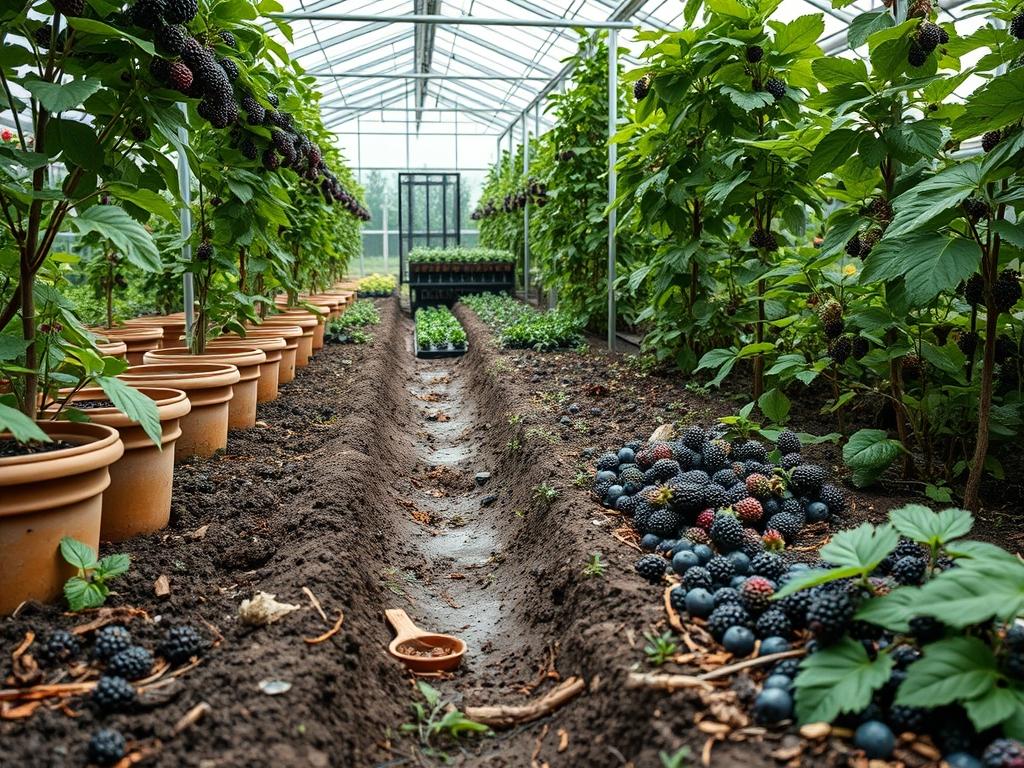
Integrating blackberries into a sophisticated landscape design requires a shift in perspective from wild foraging to intentional architectural planning. While these plants are often associated with untamed thickets, a professional landscape architect views them as structural assets that provide both vertical interest and high-yield productivity. The foundation of this success lies in the substrate. Selecting the Best Soil for Blackberries is not merely a horticultural requirement; it is a critical component of sitework that dictates the longevity of the installation and the aesthetic quality of the fruit. In many residential or commercial outdoor environments, soil health acts as the primary driver for curb appeal. A thriving, deep green blackberry hedge provides a lush backdrop for ornamental perennials, whereas a nutrient-deficient plant leads to chlorosis and sparse foliage that detracts from the overall design. When we plan these spaces, we must consider the intersection of soil chemistry, drainage, and elevation to ensure the canes provide the desired privacy screening and seasonal visual interest.
Landscape Design Principles
A professional landscape layout involving fruiting shrubs relies on the core principles of symmetry and focal points to prevent the garden from feeling disorganized. Blackberries should be positioned as dynamic hedges or as background layers in a tiered garden bed. By utilizing T-posts or custom Wrought iron trellises, you can control the verticality of the canes, creating sharp lines that define walkways and boundaries. Elevation plays a significant role here. Planting blackberries on slightly raised berms, approximately 6 to 8 inches above the surrounding grade, ensures that the root crowns remain above the saturation zone during heavy rainfall. This technique also adds a layer of visual depth, making the garden feel more expansive.
Symmetry is achieved by mirroring blackberry rows across a central axis, perhaps a stone path or a water feature. This balance draws the eye through the landscape, utilizing the dark green leaves of the Rubus species to contrast with lighter-colored hardscaping materials like Travertine pavers or Decomposed granite. Irrigation planning must be integrated into the initial design phase. A hidden Drip irrigation system should be installed beneath the mulch layer to provide consistent moisture without wetting the foliage, which reduces the risk of fungal pathogens. By aligning the irrigation lines with the focal points of the garden, you ensure that every plant receives equal nutrients, maintaining a uniform appearance across the entire screen.
Plant and Material Selection
Selecting the right cultivar is as important as the soil itself. Different varieties have varying growth habits, ranging from trailing to erect, which influences the soil volume needed for root expansion. The following table summarizes the requirements for popular varieties used in professional landscaping.
| Plant Type | Sun Exposure | Soil Needs | Water Demand | Growth Speed | Maintenance Level |
| :— | :— | :— | :— | :— | :— |
| Navaho (Erect) | Full Sun | Sandy Loam, pH 6.0 | Moderate | Fast | Medium |
| Triple Crown (Semi-Erect) | Full Sun | Organic-Rich, pH 6.5 | High | Rapid | High |
| Prime-Ark Freedom | Partial to Full Sun | Well-drained, pH 5.5 | Moderate | Medium | Low |
| Black Diamond (Trailing) | Full Sun | Loamy Sand, pH 6.2 | High | Fast | High |
| Ouachita (Erect) | Full Sun | Clay Loam with Organic Matter | Moderate | Fast | Medium |
Implementation Strategy
The transition from a design concept to a physical installation begins with rigorous site preparation. For blackberries, the process starts with grading the area to prevent standing water. I recommend a slope of at least 2 percent away from the home foundation or any primary hardscaping. Once the grade is established, the soil must be amended to reach the gold standard for berry production. The Best Soil for Blackberries is a well-aerated Sandy Loam rich in organic matter. If the existing site contains heavy clay, work in a 4-inch layer of Aged compost or Mushroom compost to a depth of 12 inches using a Rear-tine tiller.
After amending the soil, the next step is to define the boundaries using high-quality Steel edging or Stone masonry. This prevents the blackberry roots from migrating into turf areas or ornamental flower beds. When spacing the plants, allow for 3 to 4 feet between erect varieties and up to 6 to 10 feet for trailing types. Before backfilling the planting holes, incorporate a slow-release 10-10-10 fertilizer and a handful of Bone meal to encourage root establishment. Once the plants are set, apply a 3-inch layer of Pine bark mulch or Cedar wood chips. This mulch serves a dual purpose: it regulates soil temperature and provides a clean, professional finish that complements the dark canes of the berries. Finally, secure the canes to your chosen support system using Soft garden ties to ensure they grow according to the architectural plan.
Common Landscaping Failures
The most frequent mistake in blackberry installations is ignoring the drainage profile of the site. Blackberries are highly susceptible to Phytophthora root rot, which occurs when soil remains saturated for extended periods. If your soil feels greasy or keeps a molded shape when squeezed, it is likely too high in clay and requires significant amendment or the installation of French drains. Another common failure is root overcrowding. While it is tempting to plant densely for immediate privacy, blackberries require airflow to prevent botrytis fruit rot. Failing to maintain a 3-foot minimum buffer between plants often results in a tangled mess that is difficult to harvest and prone to pests.
Soil compaction is another silent killer in landscaping projects. During construction or hardscaping, heavy machinery often packs the earth so tightly that roots cannot penetrate the subsoil. If the soil is compacted, even the most expensive Potting mix or Topsoil will fail because the roots will become “pot-bound” in their own planting hole. Always use a Broadfork to fracture the subsoil before adding amendments. Additionally, improper irrigation—specifically overhead watering—leads to fruit spoilage. Professional designs should always utilize Soaker hoses or In-line emitters to deliver water directly to the soil surface, keeping the berries dry and the yield high.
Seasonal Maintenance
Landscape management for blackberries is a year-round commitment that changes with the seasons. In the spring, the focus is on growth and nutrition. As soon as the soil temperatures reach 50 degrees Fahrenheit, apply a fresh layer of Compost tea or a balanced organic fertilizer to stimulate cane development. This is also the time to inspect the Irrigation timers and ensure there are no leaks in the system. As summer approaches, the priority shifts to moisture management and harvest. Blackberries require approximately 1 to 1.5 inches of water per week during the fruiting season. Check the Mulch depth and replenish any areas where the soil has become exposed.
In the autumn, after the final harvest, the landscape architect’s role focuses on structural integrity. Prune out the “floricanes” or the canes that produced fruit this year, as they will naturally die back. This allows the “primocanes”—the new green growth—to receive more sunlight and nutrients. Use sharp Bypass pruners to make clean cuts at the base of the plant. Winter maintenance involves protecting the root zone from extreme temperature fluctuations. In colder climates, a thicker application of Straw or Pine needles can insulate the crown. This is also the ideal window for soil testing. Use a Soil probe to take samples from various locations around the patch to check the pH levels and nutrient concentrations, allowing you to adjust the soil chemistry before the next growing cycle begins.
Professional Landscaping FAQ
How do I lower the pH of my soil for blackberries?
If your soil is too alkaline, incorporate Elemental sulfur or Peat moss into the top 8 inches of the bed. Conduct a soil test first to determine the exact amount needed to reach a target pH of 6.0.
Can blackberries grow in heavy clay soil?
Blackberries struggle in heavy clay because of poor drainage. To succeed, you must create Raised beds at least 12 inches high filled with a mix of Topsoil, Coarse sand, and Organic compost to ensure proper aeration.
What is the best mulch for a blackberry hedge?
Pine bark nuggets or Pine needles are excellent because they are slightly acidic. They help maintain the necessary soil pH while providing a clean, dark aesthetic that makes the blackberry foliage and fruit stand out visually.
How much sun do blackberries need for the best yield?
For maximum fruit production and vibrant leaf color, blackberries require at least 6 to 8 hours of direct sunlight daily. While they can tolerate partial shade, the yield will be significantly lower and the canes less sturdy.
When should I fertilize my blackberry landscape?
Apply a balanced NPK fertilizer in early spring before new growth starts. A second, lighter application can be done in late spring if the plants show signs of slow growth. Avoid fertilizing in late summer to prevent frost-sensitive new growth.