
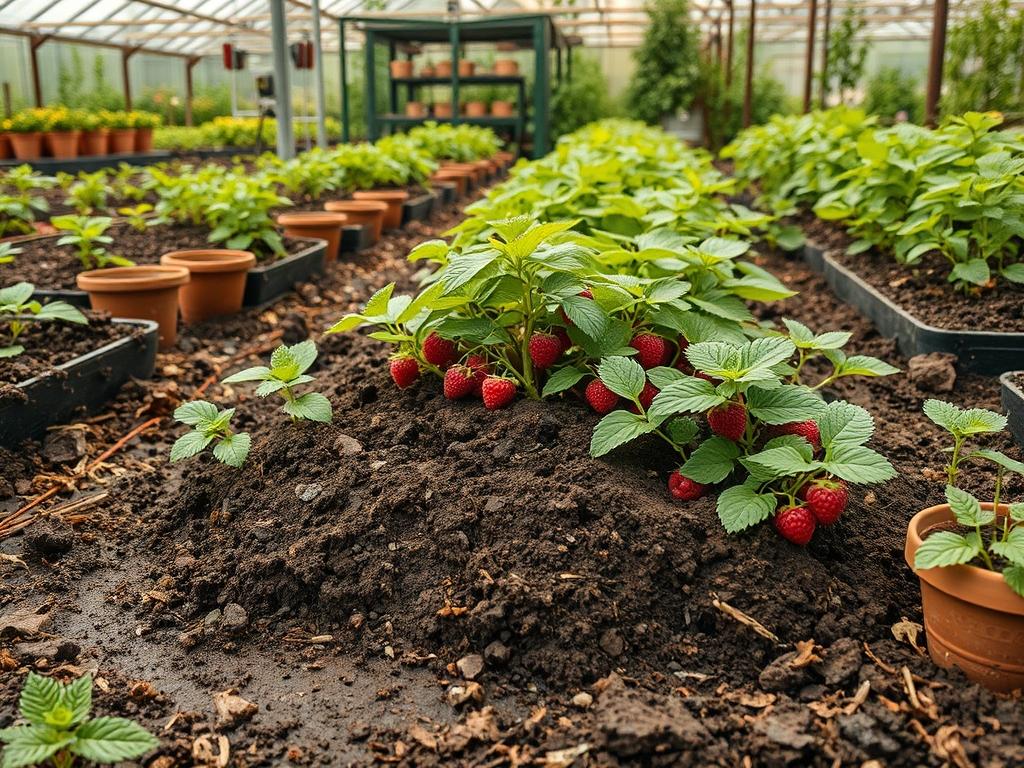
The integration of soft fruit into a high-end landscape requires a sophisticated balance between architectural structure and biological necessity. Often, homeowners treat raspberries as a secondary agricultural concern, yet these cane fruits offer incredible verticality and texture when managed with a professional landscaping mindset. The primary challenge lies in the transition from a wild, rambling bramble to a structured garden element that enhances curb appeal while remaining highly productive. Successful raspberry cultivation begins with a deep understanding of site topography and the delicate mechanics of the root zone. In many temperate climates, the fluctuating moisture levels of spring and autumn can lead to stagnant water, which is the primary enemy of the genus Rubus. By viewing the raspberry bed as an engineered environment rather than a simple hole in the ground, a consultant ensures that the outdoor space remains both functional and aesthetically pleasing for years to come.
Landscape Design Principles
Professional landscaping is predicated on the idea that every plant must serve a structural purpose. When planning for raspberry soil preparation, the architect must consider symmetry and focal points to prevent the canes from looking like a chaotic thicket. Utilizing T-frame trellises made of powder-coated steel or redwood creates a clean, geometric silhouette that anchors the garden bed. These structures provide the necessary support for heavy fruiting canes while acting as a visual boundary. By aligning these rows with existing walkways or property lines, you create a sense of intentionality and order.
Elevation plays a critical role in both the visual and physical success of the planting. Designing raised beds with natural stone or composite timber allows the architect to manipulate the local topography. This elevation creates layers in the landscape, providing a backdrop for lower-perennial borders or groundcovers. Beyond the aesthetics, elevated beds are a prerequisite for superior drainage. In areas with heavy clay, lifting the root zone 12 to 18 inches above the natural grade ensures that the sensitive crown of the plant stays dry during heavy downpours. Irrigation planning must be subterranean or hidden beneath a layer of mulch to maintain a clean appearance. Drip irrigation lines with individual emitters are preferred over overhead sprinklers; this prevents foliar diseases and maintains the crisp look of the foliage.
Walkways should be wide enough to accommodate foot traffic and maintenance equipment, typically at least 36 inches wide. Using materials like stabilized decomposed granite or river rock provides a firm surface that contrasts beautifully with the soft, green texture of the raspberry leaves. This visual balance between hardscape and softscape is what distinguishes a professional landscape from a hobbyist garden.
Plant and Material Selection
Selecting the right cultivars and soil amendments is as much an aesthetic choice as a horticultural one. Black raspberries offer a unique architectural form with arching canes, while yellow varieties provide a luminous highlight in shaded corners.
| Plant Type | Sun Exposure | Soil Needs | Water Demand | Growth Speed | Maintenance Level |
| :— | :— | :— | :— | :— | :— |
| Heritage Red | Full Sun | Loamy, pH 6.0 | High | Fast | Moderate |
| Fall Gold | Full Sun | Rich Organic | Moderate | Fast | Moderate |
| Jewel Black | Full Sun | Well-drained | Moderate | Fast | High |
| Canby Thornless | Full Sun | Sandy Loam | High | Moderate | Low |
| Glencoe Purple | Part Sun | Compost-rich | Moderate | Fast | Moderate |
Implementation Strategy
The process begins with a thorough site analysis and grading plan. To achieve optimal raspberry soil preparation, the first step is to remove all existing turf and weeds from the designated area. Use a mechanical sod cutter for clean edges and to preserve the soil structure beneath. Once the area is cleared, the consultant must address the subsoil. If the site has a high clay content, a trenching tool should be used to install a 4-inch perforated drain pipe encased in filter fabric and crushed stone. This French drain system will carry excess water away from the root zone, preventing the saturation that leads to root rot.
The soil mix itself should be a custom blend designed for porosity and nutrient retention. A professional mix often consists of 40 percent sandy loam, 30 percent aged leaf compost, 20 percent peat moss, and 10 percent perlite or coarse sand. This combination ensures a slightly acidic pH between 5.5 and 6.5, which is ideal for nutrient uptake. When filling the beds, the soil should be lightly tamped but not compacted.
Edging is the next step in the implementation strategy. Using 6-inch aluminum edging or heavy-duty plastic guards creates a root barrier that prevents the raspberries from spreading into lawns or adjacent flower beds. Once the canes are planted at a depth where the crown is exactly level with the soil surface, a 3-inch layer of shredded cedar mulch or pine bark should be applied. This mulch stabilizes soil temperature and suppresses weed growth, providing a finished look to the project. Finally, the drip irrigation system should be tested to ensure even distribution across the entire length of the row.
Common Landscaping Failures
The most frequent mistake in raspberry soil preparation is ignoring the long term compaction that occurs in high traffic areas. When soil becomes compressed, the macropores required for oxygen exchange disappear, effectively suffocating the root system. Professionals avoid this by creating designated permanent paths and never stepping within the actual growing medium of the beds.
Another common failure is improper spacing and root overcrowding. While it is tempting to plant canes closely for an immediate full look, this leads to poor air circulation. Without at least 18 to 24 inches between plants, the humid microclimate inside the canopy becomes a breeding ground for fungal pathogens such as Botrytis or Anthracnose. Overcrowding also makes pruning nearly impossible, resulting in a tangled mess that detracts from the landscape’s aesthetic value.
Drainage mistakes often involve a misunderstanding of how water moves through different soil textures. Simply adding a layer of sand to the bottom of a planting hole in a clay-heavy site creates a bathtub effect where water pools at the interface. Instead, the entire soil profile must be amended, or the bed must be raised entirely above the clay line. Additionally, many installers fail to account for the aggressive nature of raspberry suckers, which can quickly colonize a garden and ruin the intended symmetry of the design.
Seasonal Maintenance
Spring maintenance is centered on renewal and nutrient boost. As soon as the soil is workable, apply a balanced 10-10-10 fertilizer or a high-quality organic poultry manure to stimulate new cane growth. For primocane-fruiting varieties, this is the time to prune all canes to the ground to prepare for a late summer harvest. Check the trellis wires for tension and repair any damage caused by winter ice or wind.
During the summer, the focus shifts to moisture management and cane training. As the new primocanes grow, they should be tucked into the trellis system to keep the walkways clear. Regular monitoring of the irrigation timer is essential; raspberries require roughly 1 to 1.5 inches of water per week during the fruiting season. Deadheading any spent lateral branches can help maintain a clean appearance.
Autumn is the season for sanitation. Removing old floricanes that have finished fruiting is vital to prevent disease carryover. These canes should be cut at the soil line using sharp bypass pruners and removed from the site entirely. A fresh 2-inch application of mulch can be added at this time to protect the root zone from early frosts.
Winter landscape management is largely about protection and structural integrity. In regions with heavy snow, the trellises should be inspected to ensure they can handle the weight. Avoid any heavy pruning during the coldest months to prevent desiccation of the canes. If the landscape is located in a wind-prone area, a temporary burlap screen can be installed to prevent winter burn on the dormant canes.
Professional Landscaping FAQ
How do I test my soil drainage before planting?
Dig a hole 12 inches deep and fill it with water. If it takes longer than six hours to empty, you must install a French drain or use raised beds to ensure the raspberries do not suffer from root rot.
What is the best way to prevent raspberries from spreading?
Install a physical root barrier using high-density polyethylene buried 12 inches deep around the perimeter. Regular mechanical edging and removing stray suckers during spring maintenance will also help maintain the clean lines of your landscape design.
Can I use decorative rock instead of wood mulch?
While stone looks premium, it can overheat the soil and does not provide organic matter. For raspberries, shredded bark or pine needles are superior as they maintain the acidic pH and moisture levels necessary for high-quality fruit production.
How often should I calibrate my irrigation system?
Perform a visual inspection monthly and a full pressure test every spring. Ensure each plant receives direct water at the base; this prevents waste and keeps the surrounding hardscape dry, preventing moss or algae growth on walkways.
What is the ideal pH for raspberry soil?
Raspberries thrive in a pH range of 5.5 to 6.5. If your soil is too alkaline, incorporate elemental sulfur or peat moss. For soil that is too acidic, a light application of dolomitic lime will balance the chemistry.