Integrating the Sambucus genus into a modern landscape requires more than just an aesthetic eye; it demands a deep understanding of soil physics and hydrologic cycles. As a cornerstone of functional outdoor environments, the elderberry offers both a lush, architectural backdrop and a significant contribution to local biodiversity. However, the success of these shrubs hinges almost entirely on Elderberry Soil Needs, specifically the delicate balance between high moisture availability and adequate oxygenation within the root zone. From a design perspective, the elderberry serves as a versatile mid-to-back layer plant that can define property boundaries or soften the transition between manicured lawns and wilder, riparian zones. Achieving a professional finish requires the architect to consider the site’s natural topography, ensuring that the selected placement does not lead to “wet feet” in stagnant water, which is a common cause of fungal pathogens. When planned correctly, these shrubs increase curb appeal through their delicate umbels of white flowers and deep purple fruit, providing a dynamic seasonal interest that evolves from spring through late autumn.
Landscape Design Principles
Effective landscaping with elderberries involves a strategic application of spatial theory and environmental engineering. We often look at the property through the lens of elevation layers. In a professional layout, the elderberry acts as a medium-height filler that bridges the gap between towering canopy trees and lower ornamental grasses or perennials. Because they tend to spread via suckering, they are ideal for creating naturalistic focal points that break the monotony of a flat lawn. Symmetry can be achieved by flanking a garden entrance with two Sambucus nigra specimens, though a more modern approach favors asymmetrical groupings of three or five to mimic natural forest edges.
Irrigation planning is perhaps the most critical design principle when dealing with Elderberry Soil Needs. A site must be evaluated for its natural drainage patterns before any digging begins. We often use inclinometers to determine the grade of a backyard, ensuring that runoff is directed toward the shrubs without creating erosive gullies. Walkways should be positioned at least four to six feet away from the center of an elderberry cluster to allow for their wide, arching habit. By placing these shrubs near the edges of bioswales or rain gardens, we utilize their high transpiration rates to help manage stormwater, creating a landscape that is both beautiful and ecologically functional.
Plant and Material Selection
Selecting the right cultivar requires matching the plant’s physiological demands with the existing site conditions. Below is a professional guide for selecting species based on environmental constraints.
| Plant Type | Sun Exposure | Soil Needs | Water Demand | Growth Speed | Maintenance Level |
| :— | :— | :— | :— | :— | :— |
| American Elderberry | Full Sun to Partial Shade | Rich, Moist, Loamy | High | Fast | Moderate |
| European Black Elder | Full Sun | Well-drained, pH 5.5 to 6.5 | Moderate | Fast | Moderate |
| Lemon Lace Elderberry | Partial Shade | Moist, Fertile, Acidic | Moderate | Moderate | High |
| Black Tower Elderberry | Full Sun | Rich, Organic Loam | Moderate | Moderate | Low |
| Red Elderberry | Partial Shade | Cool, Moist, Rocky | High | Fast | Moderate |
For materials, a professional installation should prioritize high-quality hardwood mulch, leaf mold, and compost. Avoiding decorative stones around the base is crucial, as stones can reflect heat and cause the soil to dry out too quickly, violating the core Elderberry Soil Needs.
Implementation Strategy
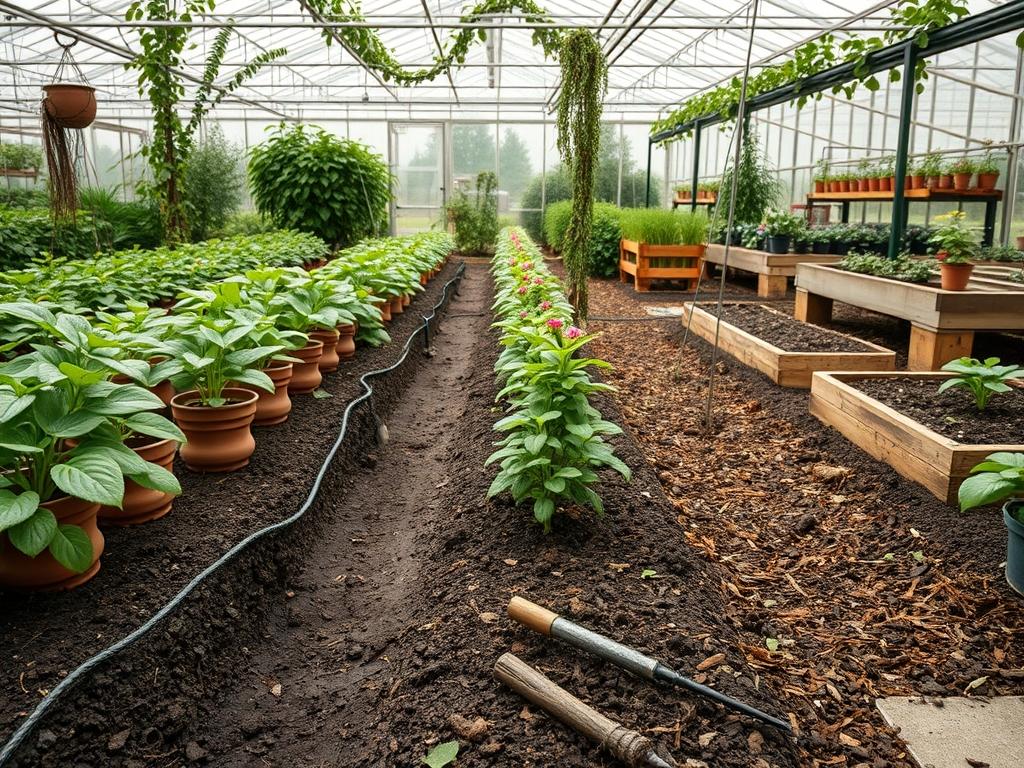
The implementation phase begins with professional grading to ensure the site sheds excess water during heavy rain events while retaining enough moisture to sustain the plant during dry spells. Start by marking the site with landscaping flags to visualize the final spread of the mature shrubs, which can reach 10 to 12 feet in width. Using a broadfork or rototiller, loosen the soil to a depth of 18 inches, far wider than the root ball itself. This reduces bulk density and allows for rapid root lateralization.
Once the soil is prepared, we recommend incorporating a mix of well-rotted manure and sphagnum peat moss to lower the pH if the soil is overly alkaline. The ideal target is a pH between 5.5 and 6.5. When planting, the crown of the shrub should be level with the soil surface; planting too deep can lead to stem rot. After the shrub is in the ground, apply a 3 inch layer of organic mulch in a wide circle, keeping the material a few inches away from the trunk to prevent pest nesting. For large scale backyard layouts, a drip irrigation system with emitters spaced every 12 inches ensures that the moisture remains consistent throughout the first two growing seasons. Finally, install landscape edging made of steel or heavy duty plastic to contain the mulch and define the transition between the garden bed and the turf.
Common Landscaping Failures
The most frequent mistake seen in residential landscapes is improper drainage leading to anaerobic soil conditions. While elderberries love water, they cannot survive in soil where oxygen is displaced by standing water for extended periods. This often happens when shrubs are planted in heavy clay soil without proper amendment. Another common failure is root overcrowding. Because elderberries are vigorous growers, many homeowners plant them too close to foundations or fences. Over time, the lack of airflow leads to powdery mildew and stunted growth.
Soil compaction is another silent killer. During construction or hardscaping, heavy machinery often packs the soil down, destroying the pore space necessary for root respiration. If the Elderberry Soil Needs are ignored during the construction phase, the plant will likely struggle for years regardless of how much fertilizer is applied. Finally, many people fail to account for the nutrient demand of these shrubs. They are heavy nitrogen feeders. Neglecting to top dress with compost annually will result in sparse foliage and a lack of fruit production, diminishing the shrub’s value as a focal point.
Seasonal Maintenance
Spring is the season for revitalization. As soon as the soil can be worked, apply a fresh layer of compost and a balanced 10-10-10 fertilizer to kickstart the growth cycle. This is also the time to check the irrigation lines for leaks or clogs. Pruning should be done in late winter or very early spring before the buds break. Remove any dead, damaged, or three year old canes to ground level to encourage the growth of vigorous new wood.
Summer maintenance focuses on moisture management. During heatwaves, check the soil moisture at a depth of 4 inches. if it feels dry, increase the duration of your watering cycles. In autumn, clear away fallen fruit and leaves to prevent the overwintering of pests like the spotted wing drosophila. This is also an excellent time to expand the mulched area as the shrub’s root system grows. Winter care is minimal; however, in regions with heavy snow, you may need to loosely tie the canes together to prevent them from splitting under the weight of the ice.
Professional Landscaping FAQ
What is the best type of soil for elderberries?
Elderberries thrive in rich, loamy soil with a high organic matter content. The soil should be consistently moist but well-drained, maintaining a slightly acidic pH between 5.5 and 6.5 for optimal nutrient uptake and growth.
Do elderberries need a lot of water?
Yes, they require significant moisture, especially during the first two years of establishment. Providing roughly one inch of water per week through rain or irrigation is ideal for maintaining the lush foliage and heavy fruit sets.
Can I plant elderberries in heavy clay?
You can, but the soil must be heavily amended. Incorporate compost and coarse sand to improve drainage and prevent compaction. Raising the planting bed by 6 inches can also help keep the roots out of standing water.
How much sun do elderberries need for good growth?
For the best floral display and fruit production, full sun is required, meaning at least six to eight hours of direct light. Some varieties can tolerate partial shade, but they may become leggy and produce fewer berries.
Should I mulch my elderberry plants?
Mulching is essential for success. A 3-to-4-inch layer of wood chips or bark helps retain soil moisture, suppresses competitive weeds, and adds organic matter back into the soil as it decomposes over the course of the season.