
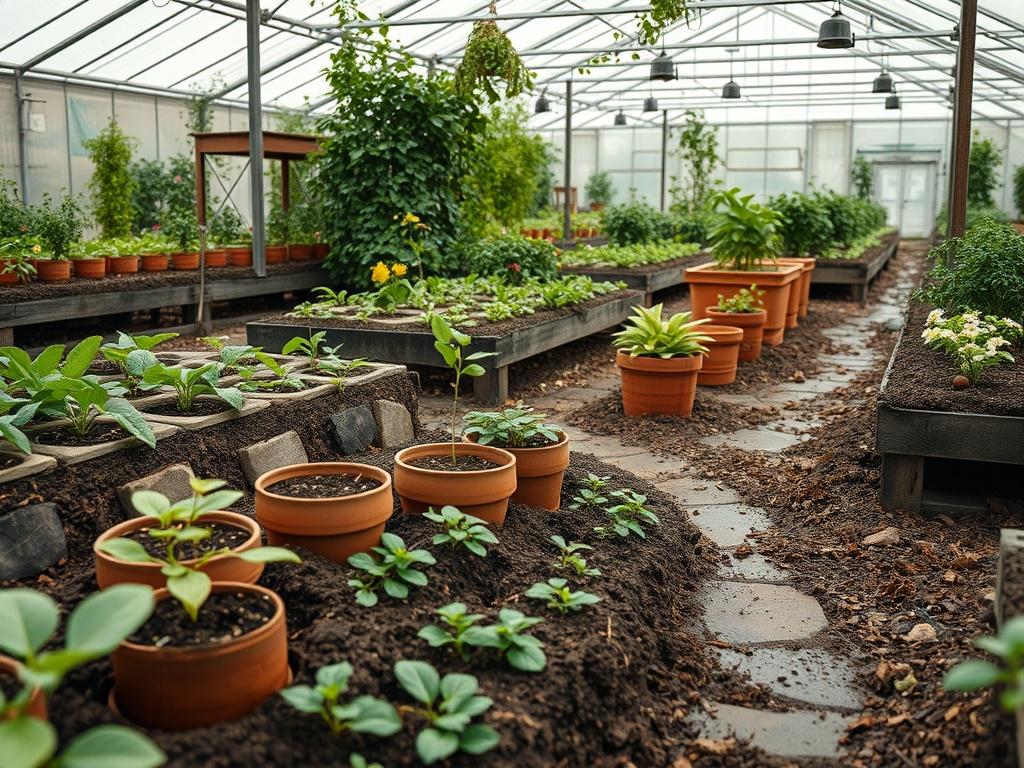
Integrating a cherry tree into a sophisticated landscape design requires a delicate balance between horticultural science and aesthetic vision. For the homeowner or developer, these trees represent more than just a source of food; they serve as a structural focal point that offers seasonal transitions, ranging from the delicate white and pink blossoms of spring to the deep greens of summer and the vibrant ambers of autumn. However, the success of these specimens in a residential or commercial setting is dictated almost entirely by the hidden environment beneath the surface. Achieving professional-grade results, characterized by rapid establishment and the production of exceptionally sweet fruit, starts with a rigorous approach to site analysis and ground engineering. Without a strategic plan for the outdoor environment, a cherry tree can quickly become a maintenance liability rather than a premier asset. This guide examines the technical requirements of the site, focusing on how specific preparation techniques influence both the curb appeal and the brix levels, or sugar content, of the final harvest.
Landscape Design Principles
A professionally designed garden relies on the interaction between permanent structures and living elements. When placing fruit trees, one must consider the preservation of sightlines and the creation of a cohesive visual narrative. Symmetry is a powerful tool in formal landscape architecture. For instance, flanking a grand entrance or a primary walkway with a matched pair of Bing Cherry or Rainier Cherry trees creates an immediate sense of arrival and stature. These trees act as mid-to-upper layer components, bridging the gap between low-lying groundcovers and taller canopy trees or architectural rooflines. To maintain visual balance, designers often use the rule of thirds, placing the trees at specific intervals that guide the eye toward a central focal point, such as a water feature or a stone sculpture.
Elevation and layering are equally critical. In a multi-tiered garden, cherry trees should be positioned where their canopy can be appreciated from both ground-level patios and upper-story windows. Using retaining walls constructed from natural stone can create raised planting beds that provide the necessary soil depth and structural definition. These elevated areas also assist with the psychological zoning of the backyard, separating active entertainment spaces from quiet, contemplative orchard zones. Furthermore, the integration of permeable pavers and defined walkways ensures that the soil around the critical root zone remains uncompacted. This allows the architect to direct foot traffic without compromising the health of the specimens. Irrigation planning must be subterranean and precise; a master plan should include a dedicated drip zone for the trees to ensure they receive deep, consistent hydration without wasting water on surrounding hardscapes.
Plant and Material Selection
| Plant Type | Sun Exposure | Soil Needs | Water Demand | Growth Speed | Maintenance Level |
| :— | :— | :— | :— | :— | :— |
| Sweet Cherry (Prunus avium) | Full Sun (8+ hours) | Well-drained Loam | Moderate / Deep | Medium | High |
| Sour/Tart Cherry (Prunus cerasus) | Full Sun to Part Shade | Adaptable / Moist | Moderate | Fast | Medium |
| Dwarf Cherry Varieties | Full Sun | High Organic Matter | Consistent | Slow | Low / Medium |
| Native Groundcovers | Partial Shade | Sandy / Loam | Low | Variable | Low |
| Wood Chip Mulch | N/A | High Carbon Content | N/A | N/A | Seasonal Refresh |
| Organic Compost | N/A | Nutrient Dense | N/A | N/A | Annual Application |
Implementation Strategy
The technical execution of Cherry Tree Soil Prep begins with an assessment of the existing soil structure and a mandatory percolation test. To perform this, dig a hole 12 inches wide by 12 inches deep and fill it with water. If the water does not drain within six hours, the site requires significant grading or the installation of a French drain system to prevent root rot. Cherry trees are notoriously sensitive to “wet feet,” meaning their roots will suffocate in anaerobic, saturated conditions. If your landscape is naturally heavy in clay, you must incorporate expanded shale or coarse sand to increase the pore space.
Once drainage is secured, the focus shifts to chemistry for fruit quality. Sweetness in cherries is a byproduct of efficient photosynthesis and the availability of specific micronutrients. You should aim for a soil pH between 6.5 and 7.0. If the soil is too acidic, apply dolomitic lime to raise the pH; if it is too alkaline, work in elemental sulfur. This adjustment should happen at least three months before planting to allow the chemical reactions to stabilize. The planting hole itself should be twice as wide as the root ball but no deeper. To encourage the development of sweeter fruit, the backfill should consist of a 70/30 mix of native soil and high-quality organic compost. Steer clear of high-nitrogen fertilizers during the initial planting phase, as this promotes excessive leaf growth at the expense of root establishment and future sugar concentration in the fruit.
Instead of synthetic fertilizers, focus on the bio-activity of the rhizosphere. Adding mycorrhizal fungi to the root zone at the time of planting creates a symbiotic relationship that extends the reach of the root system, allowing the tree to absorb more phosphorus and potassium. Potassium is the primary driver of sugar transport within the plant. By ensuring a steady supply of this mineral through the application of greensand or sulfate of potash, you provide the building blocks necessary for high-sugar fruit. Finish the installation with a 3-inch layer of aged bark mulch, keeping it several inches away from the trunk to prevent fungal infections and pest nesting.
Common Landscaping Failures
The most frequent error in orchard integration is root overcrowding. While it is tempting to plant trees closely for an immediate “full” look, this leads to competition for nutrients and sunlight. When the canopy becomes too dense, the interior fruit does not receive enough UV exposure to develop its full sugar potential. Proper spacing, usually 15 to 20 feet for standard trees and 8 to 10 feet for dwarf varieties, is non-negotiable for long term health.
Another failure involves poor irrigation management. Many homeowners rely on overhead sprinklers intended for turf. This is a mistake. Constant moisture on the leaves and fruit skins increases the risk of bacterial canker and brown rot. Furthermore, inconsistent watering can cause the fruit to split as it nears maturity. Shifting to a drip irrigation system with emitters placed at the drip line of the tree ensures that water reaches the roots where it is needed most. Finally, soil compaction caused by heavy machinery during the construction of retaining walls or patios often goes unnoticed until the tree starts to decline years later. Always fence off the “critical root zone” of a planting site before any heavy equipment arrives on the property.
Seasonal Maintenance
Seasonal management is the hallmark of a professional landscape architect’s long term vision. In the Spring, focus on dormant oil sprays to manage pests and a light application of balanced organic fertilizer just as the buds begin to swell. This is also the time to inspect the irrigation lines for leaks or clogs caused by winter sediment.
During the Summer, the priority shifts to moisture retention and fruit protection. Ensure the mulch layer is intact to keep the root zone cool. If the crop is heavy, you may need to thin the fruit to prevent branches from breaking and to ensure the remaining cherries receive more of the tree’s energy, resulting in larger and sweeter yields.
Autumn is the season for sanitation. Remove any fallen fruit or leaves from the base of the tree to prevent pathogens from overwintering in the soil. This is also the best time to apply a layer of compost to the surface, allowing the winter rains to wash nutrients down into the root zone.
In Winter, perform structural pruning. Use sharp bypass pruners to remove any dead, damaged, or crossing branches. Aim for an “open center” or “modified central leader” shape to allow for maximum light penetration and airflow through the canopy. This structural pruning is essential for maintaining the tree as a decorative focal point while ensuring its productivity for the coming year.
Professional Landscaping FAQ
How do I test my soil pH at home?
You can use a digital pH meter or a chemical color-match kit. For the most accurate results, collect samples from 6 inches deep at several spots around the planting site and mix them before testing.
Can I grow cherry trees in large containers?
Yes, but you must select dwarf varieties grafted onto specific rootstocks. Ensure the container has excellent drainage and use a high-quality potting mix enriched with perlite and organic matter to prevent compaction over time.
How much sun is required for the sweetest fruit?
Cherry trees require a minimum of 8 hours of direct sunlight daily. Sunlight is the engine for sugar production; trees planted in partial shade will produce less fruit that is significantly more acidic.
What is the best way to prevent root rot?
Proper site grading is the first line of defense. Ensure the ground slopes away from the trunk. For heavy clay soils, plant the tree in a slightly raised mound to keep the crown above the water table.
When should I first prune a new cherry tree?
Perform the initial structural prune immediately after planting in the late winter. This helps balance the top growth with the root system and establishes the primary skeletal branches that will support the fruit weight in future seasons.