
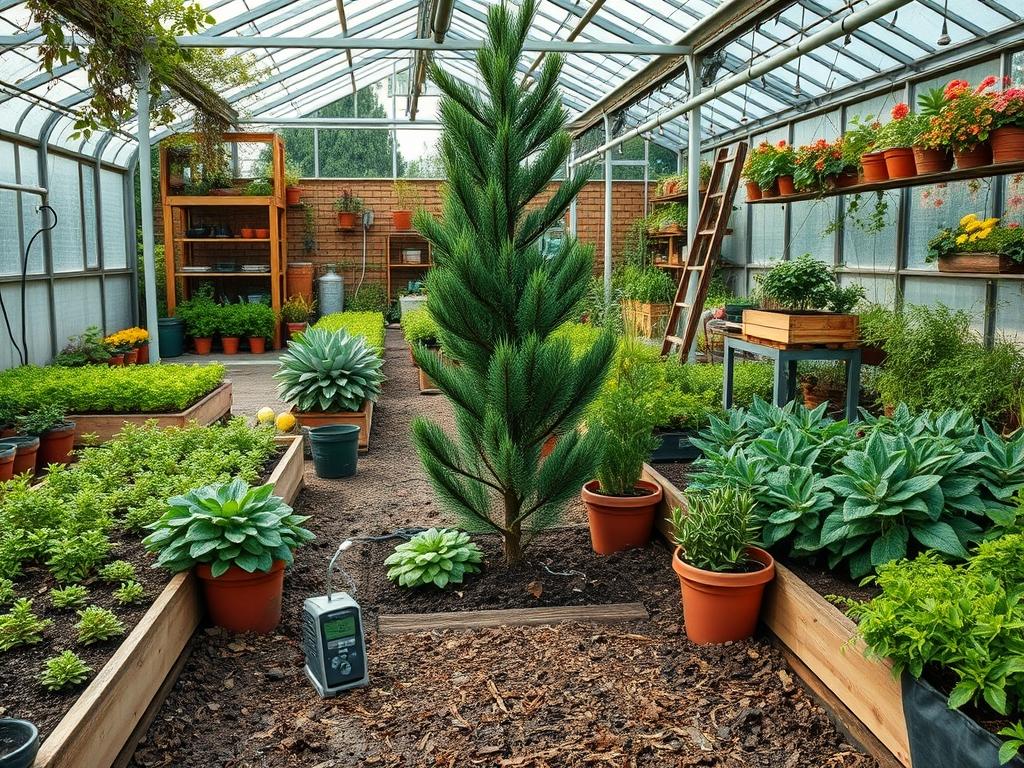
Integrating fir trees into a residential or commercial landscape requires a sophisticated understanding of both aesthetic geometry and subterranean biology. While these evergreens are often prized for their symmetrical beauty and year round foliage, they are among the most site sensitive species in the horticultural world. The primary challenge for any landscape architect is balancing the desire for immediate curb appeal with the long term biological requirements of the tree. A misplaced fir tree might look stunning for three years, but if the site lacks proper drainage or the soil structure is too dense, the specimen will inevitably succumb to needle cast or root rot. Successful planning begins with a thorough evaluation of the site microclimate, focusing specifically on how wind, sun exposure, and water runoff will interact with the chosen location. When we design for these giants, we are not just planting a tree; we are installing a living privacy screen and a natural windbreak that dictates the environmental flow of the entire outdoor space.
Landscape Design Principles
Symmetry serves as the foundational pillar when incorporating fir trees into a professional landscape. Their naturally conical form provides a strong vertical element that can be used to frame architectural features of a home or to establish a clear focal point at the end of a sightline. To achieve visual balance, it is often effective to utilize the rule of three, grouping trees in odd numbers to create a sense of naturalized depth rather than a rigid, artificial line. This approach allows for elevation layers where shorter boxwoods or rhododendrons can occupy the middle ground, while the towering fir trees provide the high altitude backdrop.
Irrigation planning must be integrated into the initial design phase rather than added as an afterthought. Because firs require consistent moisture but cannot tolerate standing water, the placement of PVC piping and drip emitters should follow the natural contours of the land. Walkways should be positioned at a distance that accounts for the mature spread of the lower branches to avoid the need for heavy pruning, which can ruin the tree’s natural silhouette. By considering the transition between hardscaped areas, such as flagstone paths or retaining walls, and the softscape of the garden, we ensure that the root zones remain undisturbed by foot traffic, thus preserving the crucial soil porosity required for healthy growth.
Plant and Material Selection
Selecting the right species involves matching the specific environmental conditions of the site to the physiological needs of the plant. The following table outlines the requirements for common varieties used in temperate landscapes.
| Plant Type | Sun Exposure | Soil Needs | Water Demand | Growth Speed | Maintenance Level |
| :— | :— | :— | :— | :— | :— |
| Balsam Fir | Full Sun to Part Shade | Cool, moist, acidic silt | High | Slow | Moderate |
| Fraser Fir | Full Sun | Well drained, loamy, pH 5.5 to 6.5 | Moderate | Medium | High |
| Noble Fir | Full Sun | Deep, moist, cool volcanic soil | Moderate | Medium | Moderate |
| Douglas Fir | Full Sun | Deep, well drained, porous | Medium | Fast | Low |
| Concolor Fir | Full Sun to Part Shade | Sandy, gravelly, well drained | Low | Medium | Low |
| Grand Fir | Part Shade | Rich, moist, alluvial soils | High | Fast | Moderate |
Implementation Strategy
The process of installing a fir tree begins long before the tree arrives on site. First, a comprehensive soil test is conducted to determine the current pH and nutrient levels. If the soil is too alkaline, elemental sulfur or peat moss may be worked into the ground to increase acidity. Grading is the next critical step. The area should be sloped at approximately a 2 percent grade away from the planting site to ensure that heavy rains do not pool around the trunk.
Once the layout is marked, use a mechanical auger or a sharpshooter spade to dig a hole that is at least twice as wide as the root ball but no deeper than the height of the root mass. This encourages lateral root expansion into the surrounding soil. To address Fir Tree Soil Needs, the backfill should consist of the native soil amended with no more than 20 percent organic compost. This prevents the “container effect” where roots refuse to leave the nutrient rich hole for the tougher surrounding ground. After planting, apply a 3 inch layer of shredded pine bark mulch around the base, keeping it several inches away from the bark of the trunk to prevent fungal infections. Finally, installing a tapered irrigation bag can provide the slow, deep watering necessary for the tree to establish itself during its first two growing seasons.
Common Landscaping Failures
The most frequent cause of fir tree decline is soil compaction. In new construction areas, heavy machinery often crushes the natural macropores in the earth, leaving no room for oxygen to reach the roots. Without proper aeration, the roots effectively suffocate; this leads to a slow decline characterized by yellowing needles and stunted growth. Another common mistake is improper drainage. Planting a fir in a low spot or a heavy clay area without installing a French drain or a subsurface tile system is a recipe for phytophthora root rot.
Overcrowding is another professional pitfall. While a dense row of Fraser Firs might provide an immediate screen, failing to account for their mature width of 15 to 25 feet leads to air stagnation. When branches overlap too tightly, humidity is trapped, and light cannot reach the inner foliage. This results in “hollowing out,” where the interior of the tree becomes a skeletal maze of dead twigs. Furthermore, many landscapers fail to adjust irrigation for the seasons. Keeping a tree on a summer watering schedule during a wet autumn can waterlog the soil and prevent the tree from entering its necessary winter dormancy.
Seasonal Maintenance
Spring is the season for assessment and light intervention. As the ground thaws, check the mulch depth and replenish it if it has decomposed to less than 2 inches. This is also the time to apply a slow release acidifying fertilizer if the previous year’s growth was lackluster. Use hand pruners to remove any branches damaged by heavy snow or ice, making sure to cut back to a lateral bud or the branch collar.
During the summer, the focus shifts to moisture management. In periods of extreme heat, a deep soaking once a week is preferable to frequent light misting. You should monitor for pests like spider mites or aphids, which thrive in hot, dry conditions. In the autumn, reduce supplemental watering to allow the wood to harden off before the first frost, but ensure the tree receives one final deep soak before the ground freezes solid. Winter maintenance is largely passive, though in areas with high wind, a burlap screen may be necessary to protect young Noble Firs from desiccation. If heavy snow accumulates, gently brush it off the limbs with a soft broom to prevent structural breakage, always brushing in an upward motion to avoid putting further stress on the weighted joints.
Professional Landscaping FAQ
How can I tell if my soil needs more aeration?
If water pools on the surface for more than an hour after rain, or if the ground feels rock hard when probed with a screwdriver, the soil is compacted. Using a core aerator can help restore necessary oxygen levels for roots.
What is the ideal pH for most fir tree species?
Most firs thrive in acidic to neutral soil, specifically between a pH of 5.5 and 6.5. You can use aluminum sulfate to lower the pH or dolomitic lime to raise it, depending on your initial soil test results.
Do fir trees require heavy annual pruning?
Firs generally maintain their shape without much help. Pruning should be limited to removing dead, diseased, or damaged wood. If you must height control, only trim the leader during the dormant season using sharp bypass loppers to ensure clean recovery.
Why are the inner needles of my fir tree turning brown?
It is normal for older, interior needles to shed every few years as the tree grows. However, if the browning is widespread or accompanied by fungal spots, it may indicate poor air circulation or an issue with Fir Tree Soil Needs.
Can I plant fir trees near a concrete driveway?
Concrete can leach lime into the soil, raising the pH and potentially harming the tree. Ensure a buffer of at least 8 to 10 feet and monitor the soil acidity regularly to counteract the alkalizing effects of the hardscaping.