
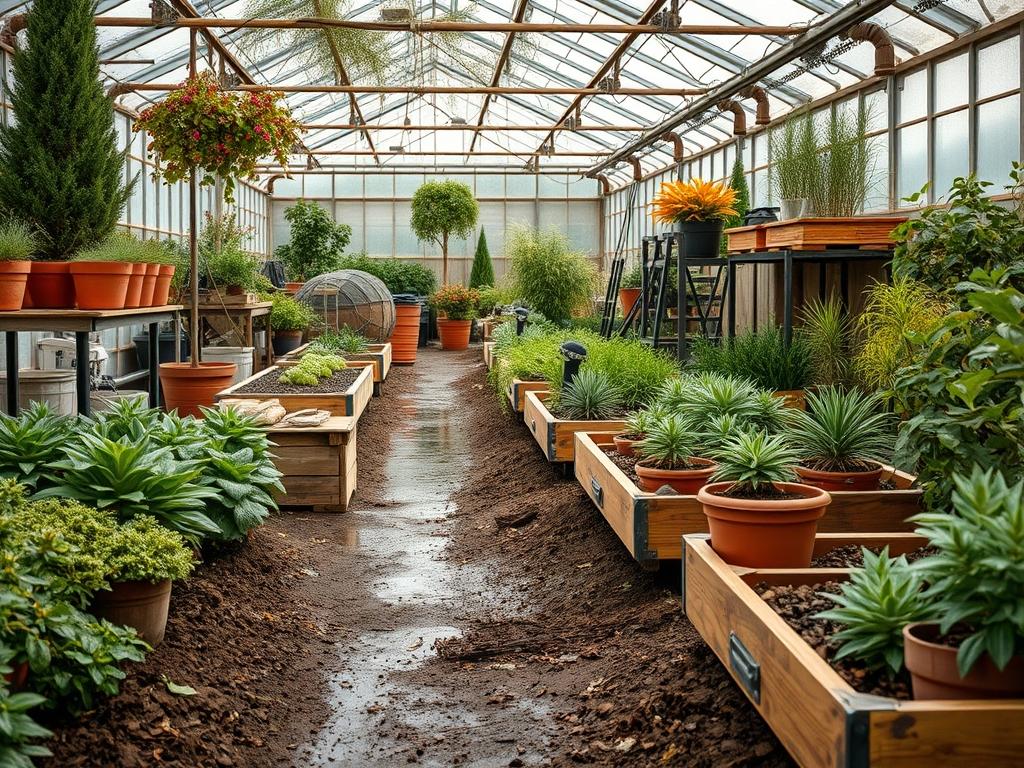
Landscaping with mature conifers requires a deep understanding of both aesthetic architecture and the biological demands of the species. When incorporating evergreens into a master plan, the primary challenge often lies in the invisible infrastructure below the surface. A spruce tree is more than just a visual anchor; it is a biological engine that requires specific environmental inputs to thrive during the transition from temperate summers to harsh winters. Achieving a high level of curb appeal while ensuring outdoor functionality necessitates a focus on the Spruce Soil Requirements, which serve as the foundation for the entire project. Designers must account for the local climate, particularly in zones where freeze-thaw cycles can lead to root desiccation or waterlogged soil. A well planned landscape does not merely place a tree in a hole; it creates a curated environment where soil texture, nutrient density, and moisture management work in harmony to support long term growth and structural integrity.
Landscape Design Principles
Effective landscape design relies on the intentional application of symmetry and visual balance to guide the eye through the environment. When using large evergreens like the Picea abies or Picea pungens, the trees often serve as the primary focal points of the property. These specimens provide verticality and weight, standing as permanent sentinels that maintain the structure of the garden even when deciduous plants have lost their leaves. Designers use elevation layers to create depth, placing shorter shrubs and groundcovers in the foreground while tall spruces occupy the background or the property perimeter. This layering technique helps to soften the transition between the sky and the ground, making the outdoor living space feel more enclosed and private.
Irrigation planning is another critical pillar of design. Because spruce trees are susceptible to fungal issues if their needles remain wet, professionals often opt for drip irrigation systems rather than overhead sprinklers. This ensures that water is delivered directly to the root zone, minimizing waste and preventing disease. Walkways and hardscaping elements like paver stones or decomposed granite should be laid out to flow naturally around these focal points, respecting the critical root zone of the trees. By integrating retaining walls, designers can also manage changes in elevation, creating tiered planting beds that improve drainage and prevent soil erosion on sloped lots.
Plant and Material Selection
Selecting the right plant material involves more than just picking a color or height. You must match the physiological needs of the plant to the specific microclimate of the site. The following table outlines popular choices for landscapes that prioritize spruce health and companion planting.
| Plant Type | Sun Exposure | Soil Needs | Water Demand | Growth Speed | Maintenance |
| :— | :— | :— | :— | :— | :— |
| Colorado Blue Spruce | Full Sun | Rich, Well-Drained | Moderate | Medium | Low |
| Norway Spruce | Sun/Part Shade | Acidic, Loamy | Moderate | Fast | Low |
| White Spruce | Full Sun | Moist, Silty | Moderate | Medium | Low |
| Creeping Juniper | Full Sun | Sandy, Dry | Low | Slow | Very Low |
| Dwarf Alberta Spruce | Sun/Part Shade | Well-Drained Loam | High | Very Slow | Medium |
| Hydrangea Paniculata | Part Sun | Nutrient Rich | High | Fast | Moderate |
Implementation Strategy
The transition from a design on paper to a physical landscape requires a structured implementation strategy. The first step in any major installation is grading. Proper grading ensures that surface water moves away from the foundation of the home and toward appropriate drainage areas. For spruce trees, this is vital because they cannot tolerate standing water around their trunks. Once the grade is established, designers often mark out the shapes of garden beds using flexible landscape edging. This creates a clean boundary between the lawn and the planting zones, preventing grass from encroaching on the trees.
When digging the planting hole, a common rule of thumb is to make the hole twice as wide as the root ball but no deeper than the root ball itself. This prevents the tree from settling too deep, which can suffocate the roots. Before backfilling, it is essential to inspect the Spruce Soil Requirements for the specific variety. Most spruces prefer a slightly acidic pH, typically between 5.5 and 7.0. If the native soil is too alkaline, sulfur can be added to lower the pH. After planting, a layer of organic mulch such as shredded cedar or pine bark should be applied to a depth of three inches. However, the mulch must be kept a few inches away from the trunk itself to prevent rot and rodent damage.
Hardscaping elements like limestone retaining walls or natural stone paths should be installed after the heavy grading is complete but before the final planting. This sequence prevents heavy machinery from compacting the freshly prepared soil in the garden beds. Drainage solutions, including French drains or catch basins, should be integrated into the hardscape design to manage runoff from gutters and patios, ensuring that the water is channeled to a safe exit point or a rain garden.
Common Landscaping Failures
One of the most frequent failures in professional landscaping is the mismanagement of drainage. Even the most beautiful spruce will fail if it sits in a “bathtub” of heavy clay soil that lacks a drainage outlet. In areas with high clay content, soil compaction is a major threat. Compaction eliminates the air pockets necessary for root respiration, leading to a slow decline in tree health. If you notice needles turning yellow or dropping prematurely, the first variable to check is the moisture level at a depth of six inches.
Root overcrowding is another common mistake, particularly in urban environments or smaller suburban lots. Homeowners often plant for the size of the tree today rather than its size at maturity. A spruce that looks perfect in a five gallon pot will eventually reach a spread of twenty feet or more. When trees are placed too close to one another or too close to structures, they compete for nutrients and airflow, leading to structural instability and increased pest vulnerability. Furthermore, improper irrigation timing, such as watering late in the evening during humid summers, creates a breeding ground for cytospora canker and needle cast diseases.
Seasonal Maintenance
Maintenance is a year round commitment that changes with the seasons. In the spring, focus should be on cleaning up debris and checking the integrity of the mulch layer. This is also the best time to apply a balanced fertilizer if a soil test indicates a nutrient deficiency. As the weather warms into summer, the priority shifts to irrigation management. Newly planted spruces may require deep watering twice a week during periods of extreme heat, whereas established trees can usually rely on natural rainfall unless a drought occurs.
In the autumn, the goal is to prepare the trees for the coming freeze. This involves a final deep watering sessions before the ground freezes. Because evergreens continue to lose moisture through their needles during the winter, a hydrated root system is the best defense against winter burn. Finally, in winter, maintenance is largely passive. Avoid using de-icing salts near spruce trees, as the salt can leach into the soil and damage the roots. If heavy snow accumulates on the branches, gently brush it off using upward motions to prevent the limbs from snapping under the weight.
Professional Landscaping FAQ
What are the primary Spruce Soil Requirements?
Spruce trees thrive in well drained, slightly acidic soil that is rich in organic matter. They generally dislike heavy clay that retains too much water, as this leads to root rot. Ensuring adequate pore space for oxygen is essential for health.
How do I fix poor drainage in a spruce garden?
To improve drainage, you can incorporate organic matter like compost to break up clay, or install a mechanical drainage system. Creating a raised mound or berm for the tree can also help keep the root flare above the water table.
Can spruce trees grow in full shade?
Most spruce varieties require full sun, meaning at least six hours of direct sunlight per day. While some species like the Norway Spruce can tolerate partial shade, they will often become thin and lose their characteristic density in low light.
How much mulch should I use around my evergreens?
Apply a layer of mulch between two and four inches thick. This helps regulate soil temperature and retain moisture. Always keep the mulch away from the trunk to prevent moisture buildup against the bark, which can lead to fungal infections.
Why are the inner needles of my spruce turning brown?
Inner needle drop is often a natural part of the tree’s growth cycle as it sheds older foliage that no longer receives sunlight. However, if the browning is widespread or affects new growth, it may indicate drought stress or pests.