
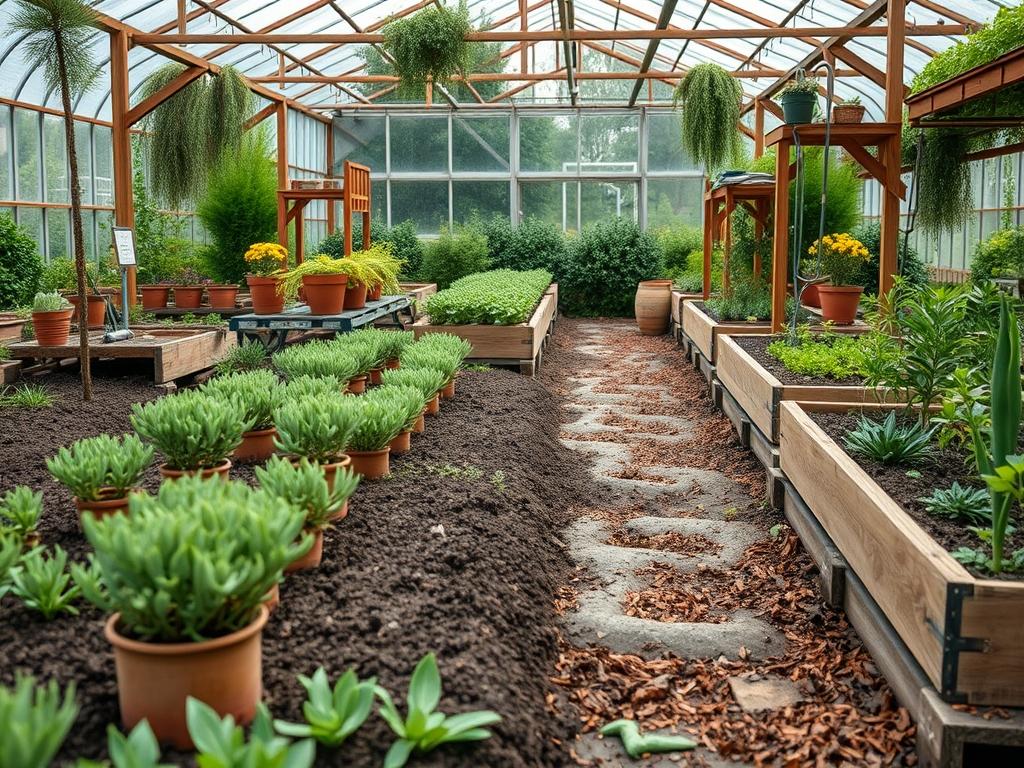
Integrating majestic evergreens into a residential or commercial landscape requires more than just digging a hole and dropping in a root ball. Professional landscape architects view pines as the structural backbone of an outdoor environment, providing year round privacy, windbreaks, and vital texture. However, the long term success of these specimens depends almost entirely on the subterranean environment. Selecting the best soil for pine trees is not merely a matter of convenience; it is a clinical requirement for the tree’s metabolic health. Many homeowners struggle with yellowing needles or stunted growth because they overlook the unique relationship between Pinus species and the acidic, fungal rich environment known as needle duff. This layer of decomposing organic matter regulates soil temperature, retains moisture, and fosters the symbiotic mycorrhizae necessary for nutrient uptake.
When designing for curb appeal, the placement of pines acts as a permanent architectural element. These trees command attention, especially in winter when deciduous species are bare. To achieve a functional outdoor space, one must consider the local climate and the specific microclimate of the property. Is the site subject to heavy prevailing winds? Does the sun bake the southern exposure? These factors dictate which pine varieties will thrive. A healthy pine installation increases property value by providing a mature, established look that newer developments often lack. By focusing on the biological needs of the tree from the start, particularly the creation of an acidic soil profile, we ensure that the landscape remains vibrant for decades rather than declining after the first few seasons.
Landscape Design Principles
A professional landscape design relies on several core pillars: symmetry, focal points, and elevation layers. In a conifer focused garden, pines often serve as the dominant focal point. We use large species like the Eastern White Pine to draw the eye upward, creating a sense of vertical scale that balances the horizontal lines of a modern home. Symmetry can be achieved through the rhythmic spacing of columnar pines along a property line, creating a formal “living wall” that offers better sound attenuation than a standard timber fence.
Elevation layering is equally critical. We rarely plant a pine tree in isolation. Instead, we design in “tiers.” The tall pines form the canopy, while medium sized shrubs create a mid story, and groundcovers fill the lowest level. This mimics a natural forest edge. Use Mugo Pines or prostrate junipers to transition from the tall verticality of the trees down to the flat plane of a walkway or lawn. This layering prevents the landscape from looking top heavy and provides a visual bridge between the built environment and the natural one.
Irrigation planning must be integrated into the initial design phase. While established pines are often drought tolerant, they require consistent moisture during the first three years. We design irrigation zones specifically for evergreens, separate from turf zones, because their water requirements differ significantly. Walkways should be positioned outside the anticipated drip line of mature trees to avoid future root heave, which can crack pavers and create tripping hazards. Balancing these functional elements ensures the landscape is as practical as it is beautiful.
Plant and Material Selection
| Plant Type | Sun Exposure | Soil Needs | Water Demand | Growth Speed | Maintenance Level |
| :— | :— | :— | :— | :— | :— |
| Eastern White Pine | Full Sun | Acidic, Well-drained | Moderate | Fast | Low |
| Mugo Pine | Full Sun to Part Shade | Loamy, Acidic | Low | Slow | Medium |
| Japanese Black Pine | Full Sun | Sandy, Acidic | Moderate | Medium | High (Pruning) |
| Blue Spruce | Full Sun | Rich, Moist, Acidic | Moderate | Slow to Medium | Low |
| Azalea (Companion) | Part Shade | High Acidic, Organic | High | Medium | Medium |
| Douglas Fir | Full Sun | Deep, Loamy | Moderate | Fast | Low |
Implementation Strategy
The successful installation of a pine centric landscape begins with site grading. Proper grading ensures that water moves away from the foundation of the home while not pooling around the base of the trees. Once the grade is established, we mark the layout of the garden beds. Edging should be deep, at least 4 inches into the soil, to prevent turf grass from encroaching on the pine’s root zone. This creates a clean, professional aesthetic and reduces competition for nutrients.
The most critical step in the implementation strategy is the soil amendment process. To create the best soil for pine trees, we often incorporate elemental sulfur or iron sulfate if the native soil pH is above 6.5. We blend in high quality organic matter, such as composted pine bark or peat moss, to mimic the natural acidic needle duff found on forest floors. When the tree is positioned in the hole, the top of the root ball should be slightly above the surrounding grade, perhaps by 1 to 2 inches, to allow for settling and to ensure the trunk flare remains exposed to the air.
After the tree is set, a thick layer of mulch is mandatory. We recommend a 3 inch depth of pine straw or shredded bark. This mulch should not touch the trunk; instead, it should form a wide donut shape around the base. This layer serves several purposes. It suppresses weeds, retains moisture, and, as it breaks down, it contributes to the acidic duff layer that pines crave. For hardscaping elements like retaining walls or walkways near pines, we use permeable materials whenever possible. This allows oxygen and water to reach the roots even under the paved surfaces.
Common Landscaping Failures
The most frequent mistake in conifer landscaping is poor drainage. Pine trees are highly susceptible to “wet feet,” which leads to root rot and eventual needle drop. If a site has heavy clay soil, we must install French drains or plant on raised berms to ensure the roots are not sitting in stagnant water. Another common failure is root overcrowding. Many landscapers plant for “instant impact,” placing trees too close together. As these trees mature, they compete for light and nutrients, leading to shaded out lower branches that will never grow back.
Improper spacing and failing to account for the mature width of a tree can also destroy a landscape’s functionality. A pine that looks small in a 15 gallon pot can eventually reach a spread of 20 feet. If planted too close to a house, the roots can interfere with utility lines and the branches can damage the siding or roof. Additionally, soil compaction during the construction phase is a silent killer. Heavy machinery driving over the root zone crushes the air pockets in the soil, suffocating the tree. We always fence off “tree protection zones” during any home renovation or major landscaping project.
Seasonal Maintenance
Spring is the time for growth management. This is when we perform “candle pruning” on pines. By snapping off half of the new growth “candles” before the needles fully unfurl, we can control the size of the tree and encourage a denser, bushier habit. This is also the best time to apply a balanced, slow release fertilizer designed for acid loving plants if the soil tests show a nutrient deficiency.
Summer maintenance focuses on water management. During periods of extreme heat, even established pines benefit from deep, infrequent watering. We monitor for pests like bagworms or sawflies, which can defoliate a tree quickly if left unchecked. In autumn, we refresh the mulch layer. It is important to leave the fallen pine needles on the ground; this is the tree’s natural way of creating the best soil for pine trees. These needles decompose slowly and maintain the acidity of the soil profile.
Winter care involves protecting the trees from heavy snow loads and salt spray. If the pines are located near a road or driveway where de-icing salts are used, we may install burlap screens or use an anti-desiccant spray to prevent “winter burn,” which happens when the needles lose moisture faster than the frozen roots can replace it. Gently knocking heavy snow off branches with a broom can also prevent structural breakage during winter storms.
Professional Landscaping FAQ
What is the ideal pH for pine tree soil?
Most pine species thrive in acidic soil with a pH between 4.5 and 6.0. This acidity allows the tree to efficiently absorb essential micronutrients like iron and manganese, prevent yellowing, and support the growth of beneficial soil fungi.
Can I use regular garden mulch for my pines?
While standard wood chips are acceptable, pine bark or pine straw is superior. These materials match the natural biological needs of the tree. As they decompose, they reinforce the acidic needle duff layer that provides the best soil for pine trees.
How often should I water a newly planted pine?
For the first month, water twice a week during dry spells. Transition to once a week for the remainder of the first growing season. Ensure the water reaches a depth of 12 inches to encourage deep, stable root systems.
Why are the bottom branches of my pine tree dying?
This usually occurs due to insufficient sunlight or overcrowding. Once a pine branch loses its needles due to excessive shade, it rarely recovers. Thinning nearby trees or increasing spacing during the design phase can prevent this common aesthetic failure.
Is it necessary to fertilize pines every year?
No, mature pines in high quality soil rarely need annual fertilization. If the tree shows vigorous growth and deep green needles, the soil is healthy. Only fertilize if a soil test indicates a deficiency or if growth has significantly stalled.