
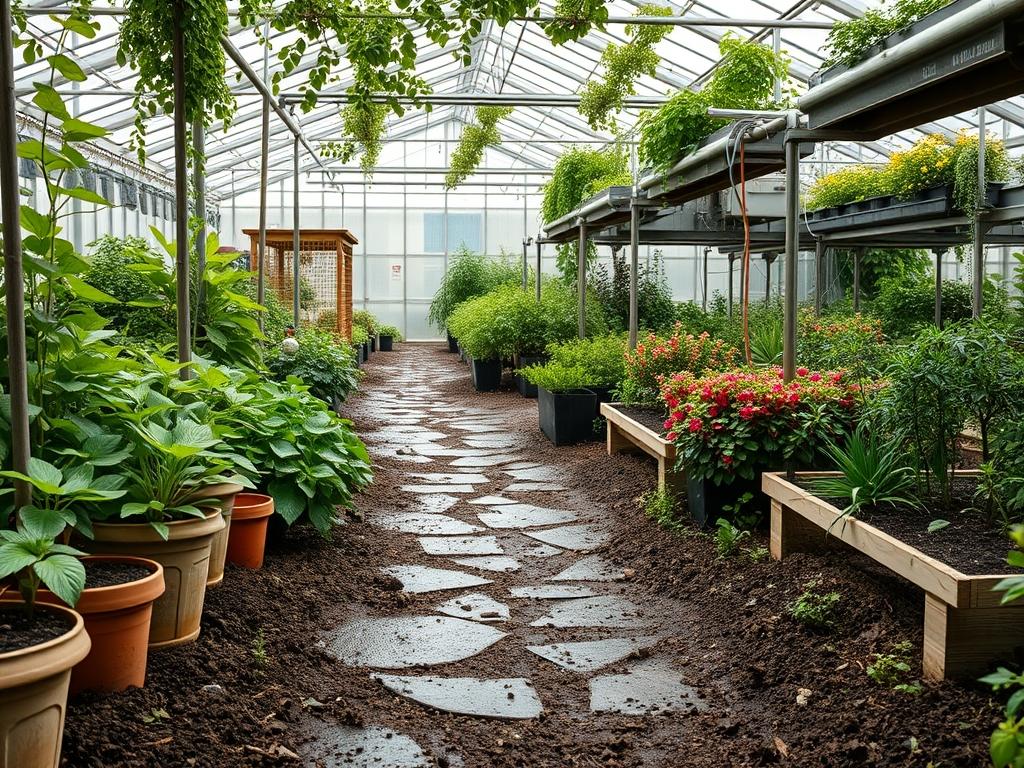
Building a resilient and visually striking landscape requires a delicate balance between aesthetic ambition and biological reality. One of the most common challenges for modern homeowners is selecting plants that provide high-impact color while maintaining a low-moisture profile during peak summer months. The barberry, or Berberis, has long served as a staple in professional landscape architecture because of its structural rigidity and intense foliage. However, the secret to a thriving specimen lies beneath the surface. Providing the best soil for barberry is the foundational step in ensuring these shrubs maintain their vibrant reds, golds, and oranges without falling victim to root rot or stunted growth. When we design for curb appeal, we are not just looking at the plant; we are considering how the topography, drainage, and soil composition work together to create a sustainable outdoor environment.
Landscape Design Principles
Successful garden planning relies on the application of symmetry and focal points to guide the eye through the space. Barberry shrubs offer a unique opportunity to create elevation layers because they come in a variety of heights, ranging from low-growing mats to tall, columnar structures. When designing a border, we often place smaller varieties like Crimson Pygmy at the forefront of a garden bed, utilizing their dense, mounded shapes to soften the transition between a rigid walkway and taller background plantings. This layering creates a sense of depth and visual weight that grounds the landscape.
Effective irrigation planning is another pillar of professional design. While barberry is known for its drought tolerance, the initial years of establishment require a strategic moisture schedule. We often integrate drip irrigation lines beneath a layer of hardwood mulch to deliver water directly to the root zone, reducing evaporation and preventing fungal issues on the foliage. Walkways and hardscaping elements should be planned such that they do not compress the root zones of these plants. By integrating retaining walls or raised beds, we can control the soil environment more precisely, ensuring the best soil for barberry remains aerated and loose, even in areas where the native earth is heavy clay.
Plant and Material Selection
Selecting the right cultivars is essential for achieving a cohesive look. The following table highlights popular barberry varieties and their specific environmental requirements to help you plan your next installation.
| Plant Type | Sun Exposure | Soil Needs | Water Demand | Growth Speed | Maintenance |
| :— | :— | :— | :— | :— | :— |
| Crimson Pygmy | Full Sun | Well-drained Loam | Low to Moderate | Slow | Low |
| Orange Rocket | Full Sun | Sandy to Silty | Low | Moderate | Minimal |
| Golden Rocket | Full / Partial | Rich, Well-drained | Moderate | Moderate | Moderate |
| Admiration | Full Sun | Loose, Porous | Low | Slow | Very Low |
| Helmond Pillar | Full Sun | Well-drained | Low | Moderate | Minimal |
Implementation Strategy
Implementing a backyard or garden layout begins with professional-grade site preparation. The first step involves grading the area to ensure that water moves away from the foundation of the home and toward appropriate drainage outlets. If the site has a high clay content, the best soil for barberry involves digging a hole twice as wide as the root ball and backfilling with a custom blend. For optimal results, mix 50 percent native soil with 25 percent coarse sand and 25 percent organic compost. This mixture improves porosity and prevents the “teacup effect,” where water sits in a hole and drowns the roots.
Once the grading is complete, we use mechanical edgers to define sharp lines between the turf and the planting beds. This edging serves a dual purpose: it prevents grass from encroaching on the barberry and creates a professional, finished look. After placing the plants at the correct elevation, ensuring the crown is level with the surrounding ground, we apply a layer of organic mulch approximately 3 inches deep. This mulch serves as a thermal blanket, keeping roots cool in the summer and warm in the winter while suppressing weed competition.
Hardscaping elements, such as flagstone walkways or gravel paths, should be installed before the final planting phase. This prevents heavy equipment from compacting the soil once it has been prepared. If you are building a retaining wall to manage a slope, ensure that perforated drainage pipes are installed behind the wall. This infrastructure is vital when trying to maintain the best soil for barberry, as it prevents the soil from becoming waterlogged during heavy spring rains.
Common Landscaping Failures
The most frequent mistake in landscape installation is improper drainage management. Even if you have the best soil for barberry, if the plant is located at the bottom of a slope without a drainage system, the roots will eventually succumb to anaerobic conditions. Another common issue is root overcrowding. It is tempting to plant barberries close together for immediate impact, but as a senior architect, I advise clients to respect the mature spread of the plant. Overcrowding limits airflow, which increases the risk of diseases like powdery mildew.
Soil compaction is another silent killer of healthy landscapes. During construction or major renovations, heavy foot traffic and machinery crush the air pockets in the ground. Without those pockets, roots cannot access oxygen or move through the earth. If your soil feels like concrete, you must use a core aerator or tilling equipment to re-introduce air before planting. Finally, many homeowners fail to account for the irrigation needs of a new landscape. Assuming a drought-tolerant plant can survive without water in the first six months is a recipe for failure. Irrigation must be monitored and adjusted as the seasons change to ensure the plants survive the critical establishment window.
Seasonal Maintenance
A professional landscape is a living entity that requires seasonal upkeep to maintain its structural integrity and beauty. In the spring, the primary focus is on pruning and fertilization. You should remove any dead or crossing branches from your barberry shrubs to promote healthy new growth. A balanced, slow-release fertilizer can be applied to the top layer of the soil at this time to provide the nutrients necessary for vibrant leaf color.
Summer maintenance involves monitoring the soil moisture, especially during extended heatwaves. Even though barberries are drought-resistant, a deep watering once a week is beneficial when temperatures exceed 90 degrees. As we transition into autumn, it is time to refresh the mulch layer. Adding an inch of new mulch helps protect the root system from the upcoming winter freeze. This is also the best time to clean up fallen leaves around the base of the shrubs, which prevents pests from overwintering in the debris.
Winter management is largely about protection and planning. In regions with heavy snowfall, you may need to gently brush snow off the branches of upright varieties like Orange Rocket to prevent them from splaying or breaking. Because barberries are deciduous, they will lose their leaves, revealing their intricate branch structures. This dormant period is the ideal time to plan for the next growing season, evaluating whether the landscape requires additional layers or if the current drainage systems are performing as intended.
Professional Landscaping FAQ
What is the best soil for barberry health?
The best soil for barberry is a well-draining, loamy mix with a neutral to slightly acidic pH. Avoid heavy clay that holds excessive moisture. If your soil is dense, amend it with organic compost and coarse sand to improve drainage.
How often should I water my barberry?
During the first growing season, water twice a week to establish a deep root system. Once established, barberries only require supplemental watering during extreme droughts. They prefer deep, infrequent watering over shallow, daily misting to encourage downward root growth.
When is the optimal time to prune barberry?
For general shaping, prune in late winter or early spring before new growth appears. You can also perform light shearing in mid-summer to maintain a formal hedge look. Always use sharpened bypass pruners to ensure clean cuts on the woody stems.
Can barberry survive in partial shade?
While barberries are hardy, they perform best in full sun. Specifically, varieties with purple, red, or gold foliage will lose their intensity and turn green if they do not receive at least six hours of direct sunlight each day.
Does barberry need heavy fertilization?
No, barberries are low-feeders and survive well in average soil. A single application of a balanced, slow-release fertilizer in early spring is usually sufficient. Over-fertilizing can lead to leggy, weak growth and may diminish the plant’s natural pest resistance.