
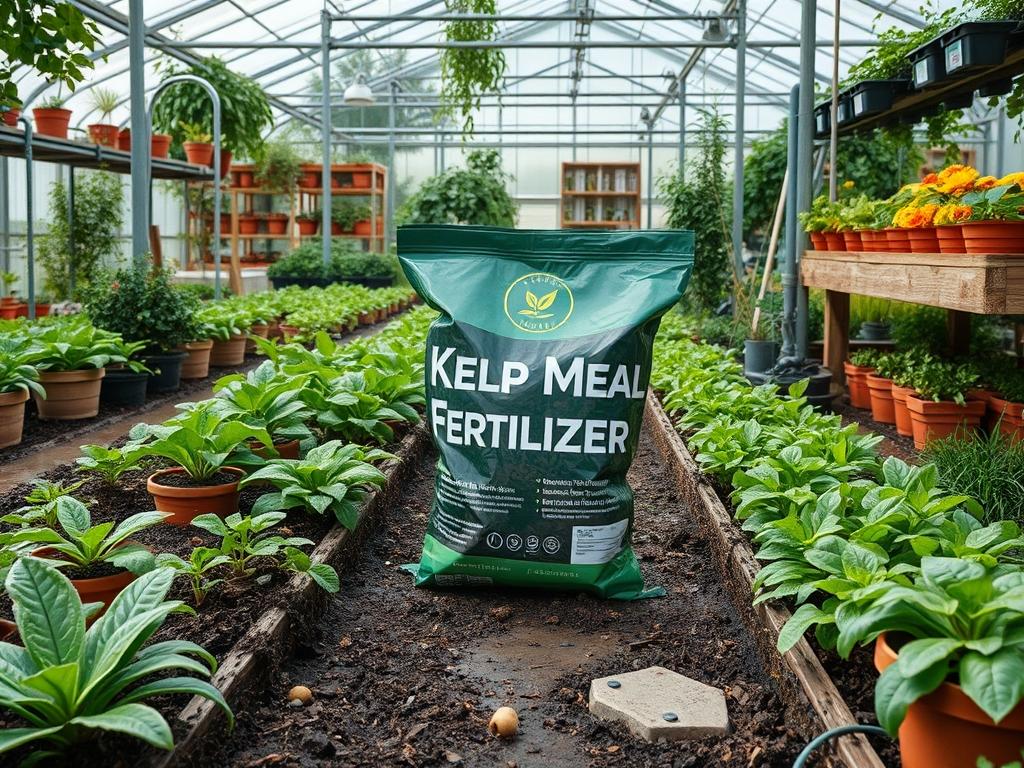
Landscape architecture and outdoor design require a delicate balance between structural integrity and biological health. When we design a high-end residential or commercial exterior, we focus heavily on curb appeal and functionality, yet many of these goals are unattainable if the soil lacks the necessary nutrients to sustain vibrant life. In various climates, from the arid stretches of the Southwest to the humid corridors of the Atlantic coast, the primary challenge remains the same: how to maintain a lush, resilient environment without over-reliance on synthetic chemicals that degrade the ecosystem over time. This is where Kelp Meal Fertilizer enters the conversation as a professional-grade superfood for the landscape. It is not merely a nutrient source but a catalyst for soil structure and microbial health, ensuring that the investment in expensive specimen trees and curated perennial beds pays off through longevity and vigor.
Architectural landscaping often involves complex site analysis where we evaluate drainage, sun exposure, and soil composition. Often, a site is stripped of its topsoil during construction, leaving behind a sterile, compacted substrate. Incorporating organic amendments like kelp meal allows us to rebuild that biological foundation. Because kelp is harvested from the ocean, it contains a massive spectrum of trace minerals and growth hormones, such as cytokinins and auxins, which are not typically found in standard NPK (Nitrogen-Phosphorus-Potassium) synthetic blends. These hormones stimulate root development and cellular strength, allowing plants to better withstand the stresses of transplanting, high foot traffic, and extreme temperature fluctuations.
Landscape Design Principles
Successful landscape design rests on the principles of symmetry, focal points, and elevation layers. To achieve a sense of balance, a designer might use a pair of Japanese Maples to flank an entryway. However, if one tree thrives while the other struggles due to poor soil, the architectural symmetry is ruined. Utilizing Kelp Meal Fertilizer during the installation phase ensures uniform growth rates across the site. This uniformity is critical when creating clean lines and formal edges. Focal points, like a large specimen Oak or an ornamental pond, require the surrounding greenery to provide a lush, supporting backdrop. The micronutrients in kelp help maintain deep green foliage that makes these focal points pop against the landscape.
We also consider elevation and layering when planning a garden. We often move from ground covers to mid-sized shrubs and finally to the canopy. This verticality creates visual interest and depth. Irrigation planning is inextricably linked to this layering. By improving the soil’s water-holding capacity through organic matter like kelp, we can reduce the frequency of irrigation cycles, which is a major win for sustainability and water conservation. Walkways and hardscaping elements also benefit indirectly from this approach. When the soil is healthy and well-aggregated, there is less erosion and runoff around stone paths and retaining walls, preserving the structural integrity of the hardscape.
Plant and Material Selection
The following table highlights key plant categories used in professional landscaping and their specific needs when utilizing high-quality organic amendments.
| Plant Type | Sun Exposure | Soil Needs | Water Demand | Growth Speed | Maintenance Level |
| :— | :— | :— | :— | :— | :— |
| Boxwood Shrub | Full Sun to Part Shade | Well-drained, Loamy | Moderate | Slow | Medium |
| Japanese Maple | Part Shade | Rich, Acidic | High | Slow to Moderate | High |
| Lavender | Full Sun | Sandy, Gritty | Low | Moderate | Low |
| Switchgrass | Full Sun | Versatile, Dry to Moist | Low | Fast | Low |
| Hydrangea | Part Shade | Moist, Organic | High | Moderate | Medium |
| Blue Spruce | Full Sun | Deep, Moist, Well-drained | Moderate | Slow | Low |
Implementation Strategy
Implementing a professional landscape plan begins with grading. Proper grading ensures that water moves away from the foundation of the home and toward designated drainage areas or rain gardens. Once the land is shaped, we focus on the planting beds. Before any plant goes into the ground, we recommend a thorough soil test to determine the baseline nutrient levels. A common strategy involves mixing Kelp Meal Fertilizer at a rate of 1 to 2 pounds per 100 square feet directly into the top 6 inches of soil. For individual plantings, such as a 15-gallon shrub, adding a handful of kelp meal to the backfill mix provides an immediate boost to the root zone.
Edging is the next step in the implementation process. Whether using steel, brick, or a clean-cut “V” edge, this defines the transition between the lawn and the garden beds. Within these beds, the application of mulch is paramount. We advocate for a mulch depth of 2 to 3 inches to suppress weeds and retain moisture. However, mulch can sometimes tie up nitrogen as it decomposes. By layering kelp meal beneath the mulch, you provide a slow-release nutrient source that feeds the soil microbes, which in turn accelerates the breakdown of mulch into rich humus. This create a self-sustaining cycle that minimizes the need for supplemental feeding in later seasons.
Common Landscaping Failures
The most frequent failure we see in residential landscaping is improper drainage. When water pools around the root ball of a tree, it creates anaerobic conditions that lead to root rot. While kelp meal can help strengthen a plant’s immune system, it cannot overcome a site that is constantly waterlogged. Another common mistake is root overcrowding. Designers often want an “instant” look and plant shrubs too close together. Within three years, these plants compete for the same nutrients and light, leading to stunted growth and disease.
Soil compaction is another silent killer of beautiful landscapes. Heavy machinery used during construction packs the soil particles so tightly that air and water cannot reach the roots. A landscape architect will often prescribe a regimen of core aeration followed by an application of Kelp Meal Fertilizer and compost. This combination breaks up the compaction and reintroduces pore space into the soil. Finally, irrigation inefficiencies, such as over-watering or using high-pressure spray on delicate foliage, can lead to fungal outbreaks. A healthy plant, buttressed by the thick cell walls encouraged by kelp, is much more resistant to these pathological pressures.
Seasonal Maintenance
Landscape management is a year-round commitment. In the spring, the focus is on awakening the garden. This is the ideal time to apply a generous top-dressing of kelp meal to help plants transition out of dormancy. The hormones in the kelp encourage new bud sites and vigorous leafing. As we move into summer, the priority shifts to stress management. High heat and drought can scorch even the hardiest plants. Kelp helps by regulating the plant’s internal water balance, reducing the wilting point during the hottest hours of the day.
Autumn is the season for root development. While the top growth slows down, the roots remain active until the ground freezes. Applying Kelp Meal Fertilizer in the fall strengthens the root system and prepares the plant for the cold months ahead. It acts as an organic antifreeze by increasing the salt concentration in the plant’s sap, which lowers the freezing point of the cellular fluid. In winter, maintenance involves monitoring for windburn and heavy snow load. While we do not fertilize in the dead of winter, we use this time to plan for the upcoming spring, reviewing the previous year’s growth and identifying areas where the soil may need more intensive remediation.
Professional Landscaping FAQ
How often should I apply kelp meal to my garden beds?
For most professional landscapes, a bi-annual application is sufficient. Apply once in early spring to jumpstart growth and once in early autumn to strengthen roots before winter. This schedule ensures a steady supply of micronutrients without overwhelming the soil biology.
Will kelp meal alter the pH level of my soil?
Kelp meal is generally pH neutral or slightly alkaline. Unlike some synthetic fertilizers that can acidify the soil over time, kelp meal helps buffer the pH. It is safe for both acid-loving plants like Azaleas and alkaline-tolerant species like Clematis.
Can I use kelp meal on a newly installed lawn?
Yes, it is excellent for new sod or seed. It promotes rapid root establishment and helps the grass knit into the underlying soil. Apply it using a broadcast spreader at a rate of 10 pounds per 1,000 square feet.
Is kelp meal safe for use around pets and children?
Because it is a natural, dried seaweed product, it is one of the safest amendments available. It does not contain the harsh salts or chemicals found in synthetics. However, some dogs are attracted to the salty scent, so work it into the soil.
How does kelp meal improve the color of my flowers?
The trace minerals, particularly iron and magnesium, play a vital role in chlorophyll production. By providing a full deck of minerals, kelp ensures that blossoms are more vibrant and that foliage maintains a deep, healthy green throughout the growing season.