
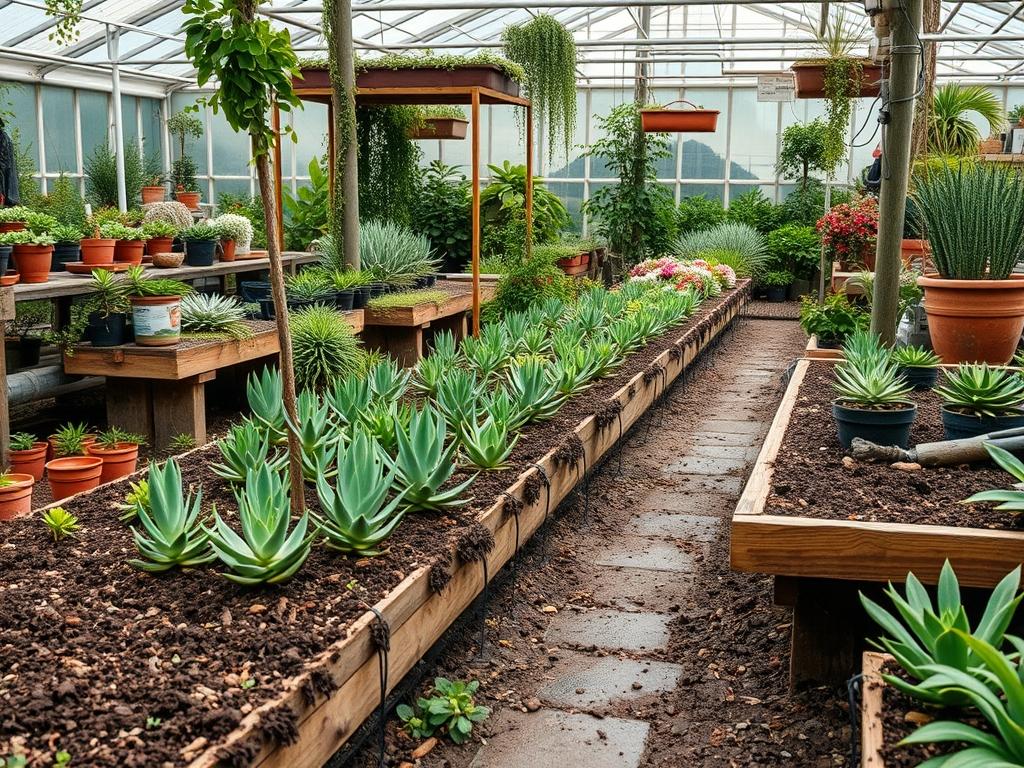
Creating a resilient outdoor environment requires more than an aesthetic eye; it demands a deep understanding of the geological and biological interplay between flora and their subterranean habitat. For the modern landscape architect, Succulent Soil Mix Recipes represent the technical foundation of a high performance garden. Success in arid or semi-arid landscape design is rarely about the plants themselves. Instead, it is about the structural integrity of the medium in which they reside. When we approach a new project, we prioritize the drainage capacity of the site, understanding that the curb appeal of a high end residential property can be dismantled in a single season by improper soil aeration. By mastering the alchemy of inorganic and organic materials, professionals can ensure that their designs remain vibrant across varying climatic cycles while minimizing the long-term cost of plant replacement and maintenance.
Succulents offer a unique architectural geometry that standard perennials cannot match. However, the landscaping challenge lies in their intolerance for anaerobic soil conditions. In regions with heavy clay or high rainfall, the default earth is often a death sentence for these species. We mitigate this through careful elevation planning and the deployment of specific soil amendments that facilitate rapid water movement. The goal is to create a landscape that functions like a living filter, allowing moisture to reach the roots while preventing the saturation that leads to fungal pathogens and root rot.
Landscape Design Principles
Professional landscape design relies on the core concepts of symmetry and visual balance to guide the eye through a space. When working with succulents, focal points are often created using large, structural specimens like Agave or Aloe Dichotoma. These plants serve as the “anchors” of the design, providing a sense of permanence and scale. To enhance the impact of these focal points, we utilize elevation layers. By creating raised mounds or berms, we not only add visual interest and three-dimensional depth to a flat backyard but also solve primary drainage issues. A mound naturally encourages water to shed away from the crown of the plant, which is critical for longevity.
Irrigation planning must be integrated into the design from the earliest stages. While succulents are drought-tolerant, they are not no-water plants. Subsurface drip irrigation systems are the preferred method for high-end landscapes, as they deliver water directly to the root zone without wetting the foliage, which can cause scorching or rot under intense sun. The walkways and hardscaping elements, such as flagstone paths or decomposed granite trails, should complement the organic lines of the plantings. By using visual balance, we ensure that the weight of a massive retaining wall is countered by the soft texture of a spreading Sedum groundcover.
Plant and Material Selection
Selecting the right combination of flora and substrate is the most critical phase of the architectural process. The following table outlines the requirements for common succulent varieties used in professional landscaping.
| Plant Type | Sun Exposure | Soil Needs | Water Demand | Growth Speed | Maintenance Level |
| :— | :— | :— | :— | :— | :— |
| Agave Americana | Full Sun | 70% Inorganic Mix | Very Low | Slow | Low |
| Echeveria Elegans | Partial Sun | 50% Porous Mix | Low | Moderate | Moderate |
| Sedum Spurium | Full to Part Sun | Lean, Sandy Mix | Moderate | Fast | Low |
| Aloe Striata | Full Sun | Gritty, Mineral Rich | Low | Moderate | Low |
| Crassula Ovata | Partial Sun | Loamy but Gritty | Low | Moderate | Moderate |
| Euphorbia Rigida | Full Sun | High Drainage | Very Low | Moderate | Low |
For these plants to thrive, the Succulent Soil Mix Recipes must be adjusted based on the specific Plant Type and local humidity levels. For most outdoor applications, a base mix consisting of 1 part pine bark fines, 1 part coarse sand, and 2 parts pumice provides the ideal balance of water retention and gas exchange.
Implementation Strategy
The transition from a design blueprint to a living landscape requires a systematic implementation strategy. We begin with grading. The site must be sloped at a minimum of 2 percent to move surface water away from the residence and toward designated drainage basins or bioswales. Once the sub-grade is established, we install the heavy machinery necessary for placing large boulders or constructing retaining walls. These hardscape elements are positioned before any soil is moved to prevent the compaction of the planting medium.
When preparing the planting beds, we move away from standard garden soil and toward specialized Succulent Soil Mix Recipes. Our standard “Architectural Mix” for large scale installations involves a blend of 40 percent crushed granite, 40 percent pumice or expanded shale, and 20 percent organic compost. We avoid peat moss in outdoor succulent beds as it can become hydrophobic when dry or too water-retentive in the winter.
For the actual planting process, use a hand trowel to create a hole twice the width of the root ball but no deeper. Edging is then installed using steel edging or concrete curbing to define the borders and prevent the migration of mulch materials. Finally, a 2 inch layer of inorganic mulch, such as pea gravel or river rock, is applied. This serves as a vapor barrier, keeping the soil cool and preventing moisture from sitting against the plant stems.
Common Landscaping Failures
The most frequent failure in succulent landscaping is the “bathtub effect.” This occurs when a professional digs a hole in heavy clay soil and fills it with a fast-draining succulent mix. Without a drainage exit, the hole simply collects water, drowning the plant. To avoid this, we ensure that the entire planting zone is amended or that drainage pipes are installed beneath the beds.
Soil compaction is another silent killer. Walking over succulent beds or using heavy equipment after the soil has been laid destroys the macropores necessary for oxygen to reach the roots. Furthermore, improper spacing often leads to overcrowding within three years. While a dense planting look is desirable for immediate curb appeal, architects must account for the mature width of the species to prevent a tangled, unmanageable mess. Finally, irrigation inefficiencies, such as using overhead sprayers, lead to uneven water distribution and increased weed pressure.
Seasonal Maintenance
Maintenance requirements fluctuate with the seasons, and a professional management plan is essential for preserving the landscape’s value.
In the Spring, we focus on rejuvenation. This involves removing any winter-damaged foliage with bypass pruners and checking the irrigation system for leaks or clogged emitters. A light application of a low nitrogen, water-soluble fertilizer can be applied to stimulate new growth.
During the Summer, the primary goal is heat management. While succulents love the sun, extreme heatwaves can cause stress. We monitor the soil moisture sensors and may increase the frequency of irrigation during peak temperatures. Checking for pests like mealybugs or scale is also a weekly priority.
Autumn is the season for preparation. We reduce irrigation frequency to allow the plants to harden off before the cooler weather arrives. This is also the best time to replenish any top-dressing gravel that has thinned out over the year.
Winter maintenance is focused on protection. In areas prone to frost, we utilize frost blankets for sensitive species. Irrigation should be turned off or drastically reduced, as succulents are most susceptible to rot when they are cold and wet.
Professional Landscaping FAQ
What is the best inorganic material for succulent soil?
Pumice is widely considered the gold standard for professional succulent soil. Unlike perlite, it is heavy enough to stay put during heavy rains and does not float to the surface, providing consistent aeration throughout the entire root zone over many years.
How do I fix poor drainage in an existing bed?
The most effective method is to incorporate expanded shale or crushed granite into the top 12 inches of the soil. If the issue is severe, installing a French drain or creating a raised berm is necessary to elevate the root systems.
Can I use decorative wood mulch for succulents?
Wood mulch is generally discouraged for succulents because it retains too much moisture and can harbor fungal spores. Instead, use a 2 inch layer of lava rock, pea gravel, or crushed stone to ensure the base remains dry and clean.
Do native succulents need special soil mixes?
Even native plants benefit from amended soil if the site has been compacted by construction. While they are adapted to the local climate, they still require the high porosity provided by professional Succulent Soil Mix Recipes to survive urban drainage patterns.
How often should I test the soil in a succulent garden?
We recommend a professional soil test every 2 to 3 years. This ensures the pH remains slightly acidic to neutral and monitors for the buildup of mineral salts, which can be an unintended byproduct of long term drip irrigation use.